


Behavioral profiling is essential in cyber threat investigations. To enhance effectiveness, I employ strong data collection strategies combined with machine learning tools to uncover insights. Advanced analytics are used to identify anomalies and suspicious activities. Pattern recognition and profiling help in early threat detection. I further improve my skills through training. Utilizing key tools such as UEBA, I implement accurate baseline profiles. A data-driven approach to responding to threats guarantees timely action. By continuously monitoring behavior patterns, I refine my methods. Stay tuned to find out how these ten tips can strengthen your cybersecurity.
Key Takeaways
- Utilize machine learning algorithms to analyze vast amounts of data for patterns and anomalies.
- Develop tailored monitoring focused on high-risk behaviors to minimize false alarms.
- Employ data-driven responses to identify and respond to threats using advanced analytics and machine learning.
- Regularly review and update foundational profiles for responsiveness to cyber attacks.
- Correlate data points for enhanced anomaly detection by examining device and network behavior.
Thorough Data Collection Strategies
To effectively uncover cyber attackers' behavioral patterns, it's vital to gather diverse data sources, including network logs, user activity logs, endpoint data, and application logs, which provide in-depth insights into user behavior.
I emphasize using automated tools and technologies to collect real-time data, guaranteeing continuous monitoring of user behavior. Developing strong data collection policies is also essential, as it enables the capture of both structured and unstructured data for in-depth analysis.
Moreover, integrating threat intelligence feeds and external sources enriches the data collected, leading to more accurate behavioral profiling.
It is crucial to adapt data collection strategies regularly to align with emerging cyber threats and evolving attack techniques. By leveraging these strategies, I can obtain comprehensive insights into user behavior.
This, in turn, allows for more effective identification and mitigation of cyber attacks. With the right tools and policies in place, I can detect and respond to threats promptly, safeguarding sensitive information and maintaining the trust of users.
Effective Behavioral Data Analysis
Behavioral profiling involves studying behavioral patterns to detect anomalies. In the domain of cybersecurity, it's used to identify potential security threats and insider risks.
By analyzing important behavioral patterns such as login times, application usage, and IP addresses, I can identify abnormal activities that may indicate potential security threats. Effective behavioral data analysis helps in proactive threat detection by identifying anomalies that may indicate cyber threats.
So how does it work?
- Identifying Abnormal Activities: Analyzing user behavior such as login times, access patterns, and application usage can identify unusual activities that might indicate a security threat.
- Examining Device and Network Behavior: Examining device and network behavior can aid in identifying anomalies that could signal potential cyber threats.
- Correlating Data Points: Correlating various data points enhances anomaly detection and threat detection, helping cybersecurity professionals to be proactive in their responses.
Behavioral data analysis plays a pivotal role in incident response and strengthening cybersecurity defenses. By combining machine learning and artificial intelligence techniques with traditional security methods, it can help mitigate cyber threats before they escalate.
Utilizing Machine Learning for Insights

As I explore behavioral profiling in cyber threat investigations, I find machine learning algorithms to be invaluable in uncovering critical insights. These algorithms can analyze vast amounts of data to detect patterns and anomalies in user behavior, enabling real-time threat identification.
Behavioral Insights
Behavioral Insights in Cyber Threat Investigations
Machine learning algorithms extensively quantify behavioral data to provide real-time insights into user actions and detect anomalies in cyber threat investigations. By leveraging advanced analytics, these algorithms help identify patterns, trends, and deviations, enabling early threat detection. This proactive approach to threat detection allows security analysts to respond swiftly and effectively to potential threats without relying on preset rules or historical data.
Key Advantages of Behavioral Insights
- Real-time Behavioral Insights: Machine learning algorithms provide immediate knowledge of user actions, enabling prompt action against active threats.
- Proactive Threat Detection: Behavioral insights empower analysts to identify anomalies in user behavior, which can be indicative of insider threats or advanced attacks.
- Enhanced Incident Response: Continuous analysis of behavioral data enhances incident response capabilities by adapting to evolving behaviors and tactics used by attackers.
Data Patterns
By analyzing complex patterns in user data, machine learning algorithms can uncover subtle variations in behavior that may indicate a security threat. These patterns, comprised of data points such as login times, app usage, and network traffic, help in identifying anomalies, deviations, and trends that can be pivotal for threat detection. By utilizing machine learning in behavioral profiling, organizations can create models that predict and prevent cyber threats more accurately.
Utilizing machine learning, companies can analyze these patterns in real-time, continuously enhancing cyber threat investigations. This proactive approach is essential for staying ahead of sophisticated attackers who constantly evolve their tactics to evade detection. AI-powered behavioral analysis not only reduces response times but also increases the effectiveness of threat identification and mitigation strategies.
| Patterns | Insights |
|---|---|
| Login Times | Identify unusual access times that may indicate unauthorized access. |
| Network Traffic | Analyze for unusual packet sizes or port usage that can indicate malicious activities. |
| Tracks | Use machine learning for consistent monitoring and swift action against potential breaches. |
Pattern Recognition and Profiling
Regular behaviors are identified and monitored through pattern recognition in behavioral profiling, providing the vital foundation for detecting potential security threats by highlighting anomalies in user actions. This process is essential for proactive threat detection in cyber investigations.
As an investigator, I must analyze user patterns such as login times, application usage, and data access to identify deviations in behavioral profiles.
- Early Detection of security threats through pattern recognition helps in prompt incident response.
- Accurate Profiling ensures that anomalies aren't just uncommon but indicate a genuine security risk.
- Tailored Monitoring focuses resources on high-risk behaviors and minimizes false alarms.
Enhancing Profiling With Training
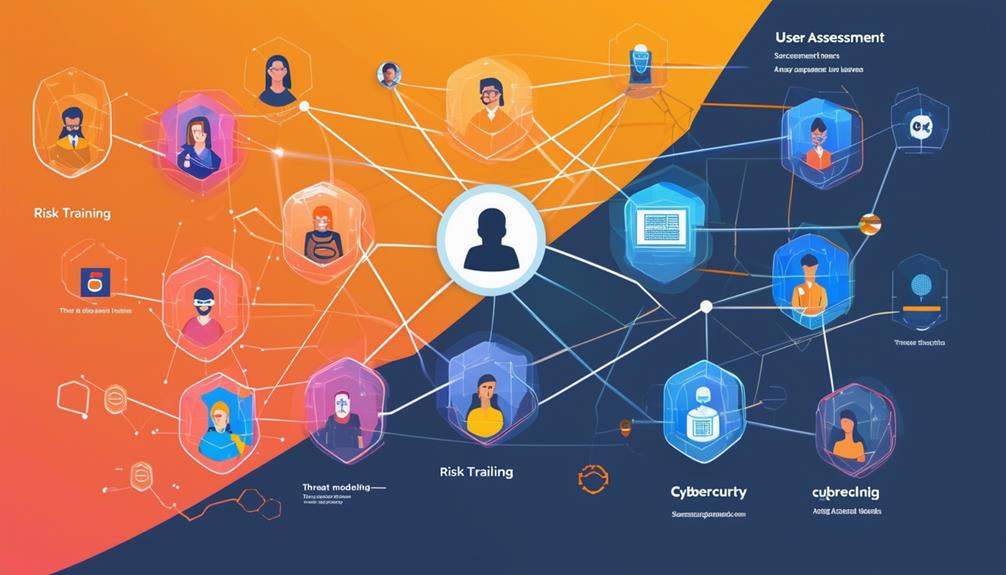
To enhance our capabilities in identifying patterns and anomalies, we need to incorporate extensive training in behavioral profiling into our investigative processes. This training is vital for understanding the human behavior and motivations behind cyber attacks.
By analyzing user behavior and utilizing behavioral profiling techniques, we can accurately anticipate potential cyber threats and develop effective strategies to mitigate them.
Through rigorous training, investigators can greatly improve their ability to analyze data and make informed decisions during threat investigations. Furthermore, training guarantees that we can adapt to evolving cyber threats, identifying anomalies and adjusting our strategies accordingly.
Behavioral profiling is a critical tool in this process, as it allows us to better understand the behavior analysis behind attacks and make data-driven predictions. Consequently, ongoing skill development and training in behavioral profiling are essential for staying ahead of these constantly evolving threats.
Adapting to Emerging Threats
As our cyber threat landscape continues to evolve, our behavioral profiling methods must adapt to the increasingly sophisticated tactics employed by attackers. This adaptation is essential for maintaining an effective dose of security against emerging threats.
Behavioral profiling in cyber threat investigations must be dynamic and responsive to emerging challenges. Here are some key elements necessary for successful adaptation:
- Continuous Monitoring: Update behavioral profiles to identify new patterns and anomalies.
- Intelligent Analysis: Leverage threat intelligence feeds, machine learning algorithms, and anomaly detection techniques to stay ahead of evolving threats.
- Proactive Profiling: Adjust behavioral profiling strategies to proactively address developing tactics and maintain robust security systems.
Key Behavioral Analysis Tools

When investigating cyber threats, sophisticated tools like Exabeam's UEBA platform are vital for automating anomaly detection and risk scoring to effectively identify potential security threats. These tools leverage advanced machine learning algorithms to analyze user behavior, detect anomalies, and identify potential security risks.
By integrating with SIEM systems, Exabeam's UEBA enhances incident response, automates incident investigation, and improves threat hunting capabilities.
Behavioral analysis tools play an essential role in modern cybersecurity investigations by detecting compromised credentials, insider threats, and lateral movement of attackers. Such tools establish profiles of normal behavior and detect deviations, helping security professionals to respond quickly and effectively.
With Exabeam's platform, automated timelines and event builders streamline the investigation process, ensuring that security teams can efficiently triage and respond to threats. In the fight against advanced attacks, these tools are critical in empowering incident responders to identify and contain threats before significant damage occurs.
Implementing Baseline Behavior Profiles
Implementing Baseline Behavior Profiles in Cyber Threat Investigations
We create and maintain accurate foundational behavior profiles by analyzing extensive historical data on user actions, device usage, and network activity to robustly distinguish normal activities from potential security threats. These profiles form a critical base for behavior analysis in cyber threat investigations, enabling us to identify normal patterns of behavior and detect anomalies effectively.
Key strategies for successful foundational profiling include:
- Continuous data analysis and updating: Machine learning algorithms help refine profiles as new data becomes available, ensuring adaptation to evolving threats and changes in user behavior.
- In-depth review and update cycles: Regular reviews and updates of foundational profiles ensure responsiveness to the dynamic nature of cyber attacks.
- Integration with other security tools: Combining foundational profiling with SIEM and EDR solutions enhances the thorough nature of threat detection and response capabilities.
Data-Driven Response to Threats

Enhancing cyber threat investigations through behavioral profiling involves employing data-driven responses to identify and respond to threats based on patterns, anomalies, and trends in user behavior. This approach leverages advanced analytics and machine learning capabilities to detect and analyze behavioral deviations, enabling security teams to respond promptly and effectively.
By utilizing User Entity Behavior Analytics (UEBA) technology, organizations can enhance their incident response capabilities, reducing false positives and improving overall security posture. By integrating UEBA with other security tools and infrastructure, threats can be detected and mitigated much earlier, reducing the potential risks and negative impacts on the organization.
Data-driven responses in threat investigations not only streamline response times but also provide actionable insights, enabling security teams to react based on data insights rather than relying on traditional methods. This holistic approach guarantees that cybersecurity strategies are proactive, data-driven, and tailored to the organization's specific needs.
Continuous Monitoring for Improvement
Continuous monitoring of user behavior patterns plays a critical role in detecting anomalies and suspicious activities, allowing security teams to respond in a timely and effective manner. By regularly updating behavioral profiles and monitoring user activities in real-time, security teams can guarantee that deviations from normal behavior are identified promptly. This proactive approach enables early detection of security incidents and potential breaches.
- Real-Time Visibility: Continuous monitoring provides real-time visibility into user behavior patterns, enhancing the ability to identify anomalies and suspicious activities.
- Behavioral Profile Accuracy: Regular updates to behavioral profiles improve the accuracy of detecting potential cyber threats.
- Early Detection: Proactively monitoring changes in behavior patterns aids in early detection of security incidents and potential breaches.
Implementing such continuous monitoring enhances the effectiveness of behavioral profiling in cyber threat investigations. It empowers security teams to investigate and respond promptly, ensuring the integrity and security of sensitive data.
Frequently Asked Questions
What Are Behavior-Based Security Techniques in Cyber Security?
Here are behavior-based security techniques in cybersecurity, "In In cybersecurity, I use machine learning and AI to analyze user behavior, identify anomalies, and detect insider threats early, thereby strenger than, and incident response.
What Is Behavioral Analysis in Cybersecurity?
In cybersecurity, behavioral analysis involves machine learning, big data, and analytics to detect malicious activity by identifying anomalous patterns in user behavior, spotting insider threats, and addressing security incidents through robust threat detection, all while leveraging behavior analytics and profiling.
What Are the Behavioral Aspects of Cyber Security?
In cyber security, behavioral aspects involve analyzing human factors and user behavior to detect anomalies, insider threats, and malicious activity through methods like social engineering and attack pattern recognition, utilizing behavioral analytics to support cyber defense and risk assessment.
What Is Cyber Threat Profiling?
As a cybersecurity professional, I identify cyber threat actors by applying profiling techniques to detect threat indicators, analyzing data for malicious behaviors and attack patterns, and employing risk assessments to enhance incident response and security measures.