


Proactively detecting insider threats and leveraging machine learning predictive analytics are essential strategies in enhancing cybersecurity postures and staying ahead of emerging threats. To improve threat detection, I use UEBA to identify unusual activities, continuously monitor excessive data access, and swiftly identify and mitigate threats. Adopting a proactive approach with machine learning models and integrating predictive analytics helps create robust threat detection systems. By leveraging these techniques, I can enhance my security posture through early intervention and stay informed about emerging threat patterns, allowing me to anticipate attacks before they happen. If I continue, I'll uncover more effective methods for threat detection and cybersecurity strategies.
Key Takeaways
- Implement node.js machine learning libraries for efficient and scalable threat detection using predictive analytics.
- Use techniques like UEBA and network anomaly detection to identify unusual behavior patterns.
- Leverage machine learning models to analyze historical data and spot potential security threats.
- Utilize Microsoft Azure Machine Learning for managing the complete predictive analytics lifecycle.
- Integrate AI-powered solutions like IBM Watson Studio for robust threat detection and improved cybersecurity posture.
Insider Threat Detection Methods
To effectively mitigate insider threats, it's important to implement proactive detection methods that identify and monitor risky and anomalous behaviors within an organization's network. One essential element of insider threat detection is evaluating access rights, which helps in flagging unauthorized access and unusual access patterns. User and Entity Behavior Analytics (UEBA) is a key method utilized in this process. UEBA advanced analytics identify and monitor user activities, flagging anomalies and providing insights into suspicious behaviors that can indicate an insider threat.
Continuous monitoring for excessive data access and unusual access patterns is also vital. This includes monitoring failed login attempts and accessing restricted areas, which are indicative of potential insider threats. Implementing these measures allows for swift identification and mitigation of threats, ensuring the security of sensitive data and systems within the organization.
Leveraging Machine Learning
Building on the methods discussed for insider threat detection, I'll now explore how machine learning can be leveraged to enhance predictive modeling and threat mitigation effectiveness.
As we explore the domain of machine learning, it becomes evident that its capabilities are primed to revolutionize the field of threat detection. Here are some key points to ponder:
- Proactive Approach: By leveraging machine learning models, we can adopt a proactive approach to detect and respond to potential threats. This allows us to stay ahead of emerging threats and adapt to evolving tactics.
- Behavior Patterns: Machine learning algorithms can analyze vast amounts of historical data to identify behavior patterns indicative of potential threats. This enhances our security posture by enabling early intervention.
- Predictive Power: By integrating machine learning with predictive analytics, we can create robust predictive models that detect anomalies and predict future security incidents. This fusion empowers data scientists to refine threat detection and improve overall security resilience.
Enhancing Cybersecurity Posture
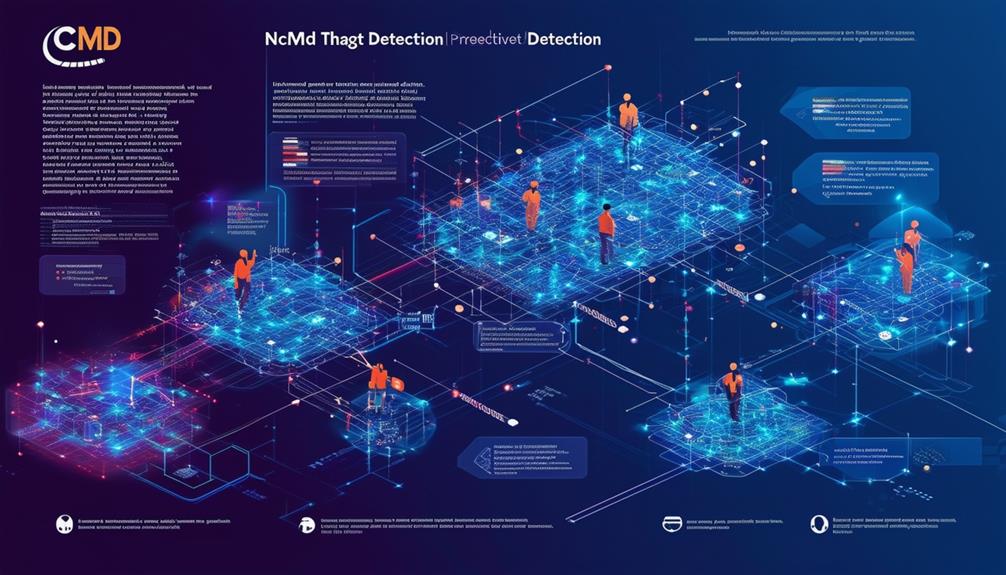
In order to boost cyber resilience and stay ahead of increasingly sophisticated threats, it's important to leverage predictive analytics and machine learning to detect and respond to potential security incidents proactively. This allows organizations to enhance their cybersecurity posture by detecting and impacting early actions from malicious actors.
By integrating AI-driven predictive analytics into their cybersecurity framework, organizations can shift from reactive defense strategies to proactive measures. This shift improves their ability to protect their sensitive information and assets.
Predictive analytics can proactively identify potential security breaches before they occur by analyzing historical data and current behaviors. This encompasses detecting deviations from normal activities indicative of insider threats.
The prompt utilization of machine learning algorithms to generate insights into emerging threat patterns enables organizations to take swift action to harden their defenses. As a result, they can respond effectively to imminent threats, ensuring that their valuable assets remain securely protected.
Frequently Asked Questions
What Is Predictive Analytics for Threat Detection?
I rely on predictive analytics for threat detection, combining machine learning, cyber security, and data mining to identify anomalies, prevent fraud, assess risks, and analyze patterns and behavior for robust network security and insider threat mitigation.
What Is the Most Used Technique in Predictive Analytics?
As I work in predictive analytics, the most used technique for threat detection is machine learning, specifically with algorithms that identify patterns and anomalies through data mining, helping prevent fraud and cyber threats via behavior analysis and threat intelligence.
What Are the 4 Predictive Analytics?
As I harness predictive analytics for threat detection, I lean on four key techniques: machine learning to identify patterns, data mining for insights, behavioral analysis for user profiling, and anomaly detection to highlight unusual activities.
Which Is the Best Tool for Predictive Analysis?
To determine the best tool for predictive analysis, I prefer IBM Watson for Cyber Security, utilizing AI and machine learning techniques like machine learning, data mining, neural networks, anomaly detection, and decision trees for enhanced risk management and fraud prevention.







1 comment
Comments are closed.