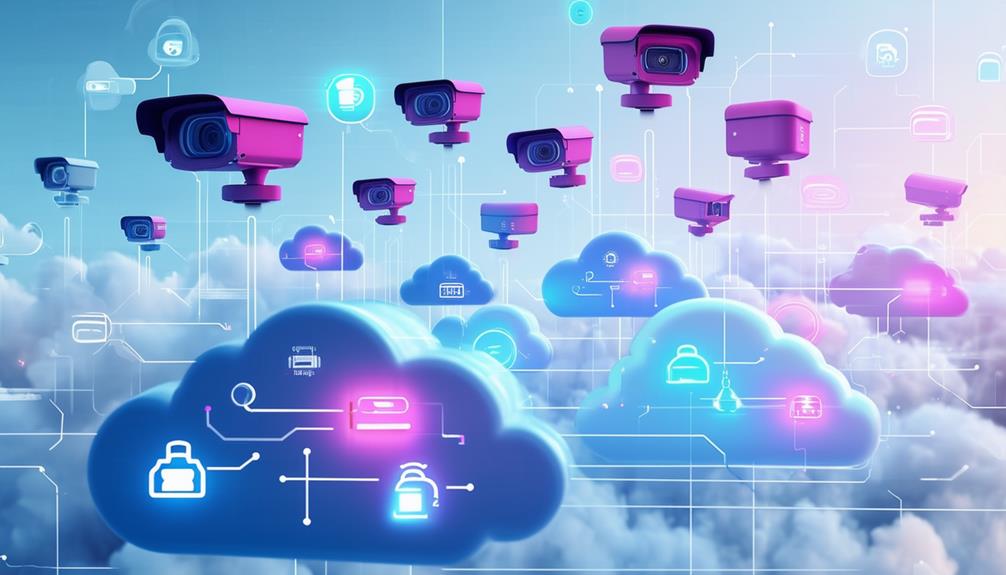


AI-driven security solutions are transforming school safety by providing 24/7 real-time monitoring, enabling instant detection and response to potential threats. These systems analyze video feeds to identify anomalies like large gatherings or unusual movements, and they can detect violent or negative behavior patterns, triggering real-time alerts to school staff and authorities. By shifting from reactive to proactive security strategies, AI enhances overall safety effectiveness, supports security personnel in decision-making, and helps prevent incidents before they escalate. This technology also integrates seamlessly with existing security systems, optimizing traffic flow and resource allocation. For a deeper look into how AI is creating safer learning environments, continue exploring these innovative solutions.
Key Takeaways
- Real-Time Threat Detection: AI systems analyze video feeds to identify potential threats, such as unauthorized individuals or suspicious behavior, and alert security personnel instantly.
- Proactive Security Measures: AI transforms reactive security strategies by proactively detecting anomalies, recognizing patterns of behavior, and predicting potential risks.
- Enhanced Surveillance Capabilities: AI-powered cameras improve surveillance by automatically detecting objects, activities, and audio cues like breaking glass or gunshots, enhancing situational awareness.
- Prompt Emergency Response: AI-driven systems streamline emergency protocols, providing real-time data and immediate alerts to security personnel and school staff, enabling swift intervention.
- Privacy and Ethical Balance: Schools must balance security with privacy by ensuring AI systems gather only essential data and using human oversight to maintain ethical guidelines.
Enhancing School Security With AI
As the number of school shootings and violent incidents continues to rise, schools are turning to artificial intelligence (AI) to enhance their security measures. AI technology provides 24/7 monitoring, helping detect violent or negative behavior in real-time. This proactive threat detection is vital, as it allows schools to address potential threats before they escalate.
Many educational institutions have already implemented AI-powered cameras to improve their surveillance capabilities and guarantee student safety.
AI systems can send real-time alerts to school staff or authorities, notably enhancing response times. For instance, AI-powered video cameras can detect anomalies and unwanted visitors, triggering immediate alerts to guarantee swift intervention. This capability extends beyond mere surveillance, as AI can analyze video feeds to identify potential threats such as intruders and suspicious behavior, providing an extra layer of security.
Effective implementation of AI solutions requires collaboration between school officials and AI providers. This ensures that the technology is tailored to the specific needs of the school, maximizing its effectiveness. By working together, schools can leverage AI to monitor for abnormalities and boost their overall security posture, making their environments safer for students and staff.
This collaborative approach is key to successfully integrating AI-driven security solutions into school safety protocols.
Proactive Threat Detection Capabilities
AI-driven security solutions revolutionize school safety by enabling proactive threat detection. With real-time monitoring, these systems provide 24/7 surveillance for potential threats, ensuring that schools can identify and address risks before they escalate.
One of the key advantages of AI capabilities is their ability to detect violent or negative behavior patterns, enhancing school safety significantly. For instance, AI systems can recognize anomalies such as large gatherings or unusual movements against normal traffic flow, alerting staff to out-of-the-ordinary situations. These advanced systems often include Smart AI Human Detection, which reduces false alarms and improves the efficiency of security measures. Additionally, the use of high-resolution 1920P video quality ensures that every detail is captured clearly, aiding in thorough threat analysis.
Automated alerts from AI systems are essential for prompt responses to security threats. These alerts notify school staff or authorities immediately when a threat is detected, allowing for swift intervention.
Furthermore, AI distinguishes between harmless and dangerous objects, improving threat analysis accuracy. This means that instead of sounding the alarm for every metal object, the system can differentiate between a wrench in the hands of a custodian and a gun in the hands of a potential shooter.
Addressing Privacy and Ethical Concerns
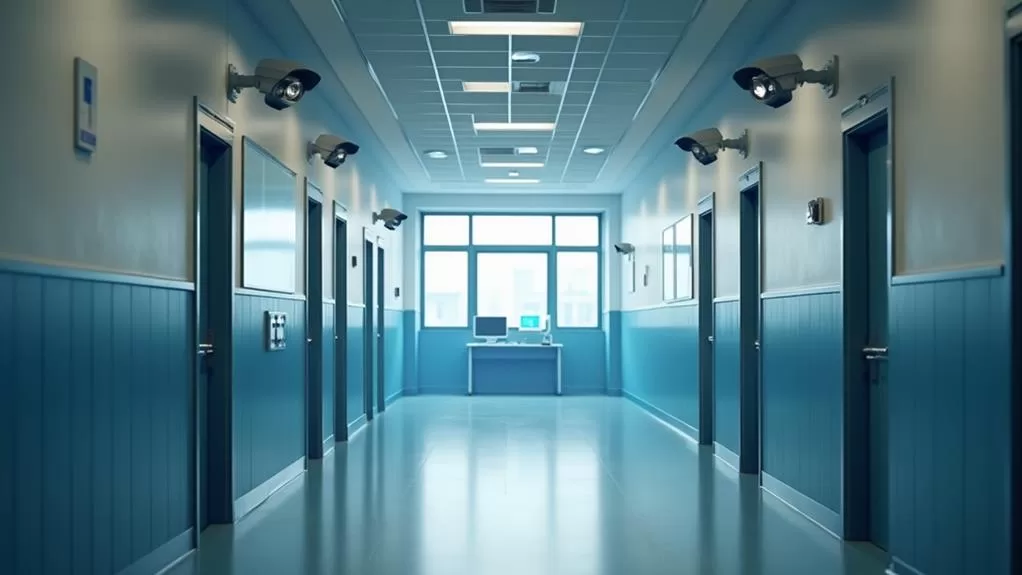
When implementing AI-driven security solutions in schools, it is pivotal to address the privacy and ethical concerns that often arise. Parents and school staff may have valid privacy concerns regarding AI in schools, as these systems can gather vast amounts of student data.
Ensuring Ethical AI Use in Schools
To mitigate these concerns, schools must carefully research AI companies to guarantee they adhere to strict ethical guidelines. Here are key points to keep in mind:
| Reflection | Action |
|---|---|
| Privacy Concerns | Ensure AI systems gather only essential data. |
| Ethical Guidelines | Investigate companies thoroughly to ensure compliance. |
| Human Decision-Making | Retain human authority over AI-driven decisions. |
| Surveillance Tool | Use AI as an additional monitoring tool, not for decision-making. |
| Communication | Clearly convey AI capabilities and limitations to parents and students. |
Clear communication about AI capabilities and limitations is vital to address privacy and ethical concerns. School officials must balance security with privacy, ensuring that AI enhances monitoring without compromising student trust and safety. By prioritizing these steps, schools can harness the benefits of AI while safeguarding student privacy.
Building a Safer Learning Environment
Implementing AI-driven security solutions in schools not only requires addressing privacy and ethical concerns, but also leveraging these technologies to enhance overall safety. One of the main advantages of AI in schools is the provision of 24/7 monitoring, aiding in the detection of violent or negative behavior in real-time. This proactive monitoring allows schools to shift from reactive to proactive security strategies, significantly enhancing overall safety standards.
For instance, schools can utilize systems like the GW Security 15 Channel 4K NVR 5MP POE Audio & Video System to integrate advanced surveillance capabilities.
Collaboration between school officials and AI providers is vital for creating a safer learning environment. By working together, schools can integrate AI-powered solutions seamlessly into their existing security measures. AI algorithms can analyze video feeds, identify potential threats, and alert staff to unusual behavior or unauthorized access, thereby enriching campus safety.
AI offers an additional layer of security by automating emergency protocols and guiding students and staff to safety during critical situations. Clear communication about AI capabilities is essential to ensure efficient implementation, helping to build trust among stakeholders. Ultimately, AI in schools contributes to creating a safer environment where students and educators can focus on learning, knowing that their safety is proactively managed by advanced technology.
Impact on School Logistics and Safety
As schools adopt AI technologies, they not only enhance security but also greatly impact school logistics, making the learning environment more efficient and safe. AI-driven solutions provide real-time data and predictive analysis, which are essential for optimizing traffic flow during peak hours. This data helps map out busy times and define the best routes for students and parents, saving time and mitigating risks.
AI enhances school logistics by offering insights into efficient resource allocation and scheduling based on real-time information. For instance, AI can streamline operations by providing actionable intelligence on student movement patterns and congestion points, allowing administrators to adjust schedules and routes accordingly. This proactive approach to logistics improves overall safety measures by optimizing logistics for emergency response.
AI video analytics, integrated into security systems, enhance security by identifying potential threats and alerting authorities swiftly.
Benefits of AI in School Safety
Enhancing school safety through AI-driven solutions has become an essential strategy for protecting students, teachers, and staff. AI can help identify abnormalities and unwanted visitors, greatly boosting school security. By integrating AI with surveillance systems, schools can detect threats like intruders and fire in real-time, providing an additional layer of protection.
AI sends real-time alerts to authorities when anomalies are detected, ensuring a prompt response to potential threats. This proactive security measure helps schools stay ahead of risks by continuously monitoring for suspicious activities and unusual patterns.
For instance, AI can learn normal traffic patterns in school hallways and identify when movements seem suspicious, alerting security personnel immediately.
Real-time monitoring is pivotal for maintaining a safer school environment. AI systems can analyze vast amounts of data to predict where and when potential risks might arise, allowing schools to take proactive measures. This approach not only enhances safety but also prioritizes student safety, making AI a crucial tool in modern school security frameworks.
Frequently Asked Questions
How AI Can Be Used in Schools?
AI in schools helps me track visitors, analyze behavior, respond to emergencies, use facial recognition for access control, detect threats, predict incidents with analytics, monitor students, secure perimeters, and prevent intrusions, enhancing overall safety.
How Can AI Be Used for Security?
I use AI for school security through facial recognition, intrusion detection, behavior analysis, and threat assessment. It enhances access control, predictive analytics, and emergency response, while securing data with encryption, video monitoring, and robust cyber defense.
What Is Ai-Driven Security?
AI-driven security leverages machine learning and predictive analytics to detect threats in real-time through behavior analysis and facial recognition, triggering automated alerts and proactive responses, integrating vast data to enhance threat detection and security assessments.
What Is an Example of AI in Security and Surveillance?
An example of AI in security and surveillance is using facial recognition, behavior analysis, and intrusion detection to assess threats, triggering real-time alerts for suspicious activity, all managed through advanced video analytics and access control systems.
Final Thoughts
To sum up, AI-driven security solutions greatly enhance school safety by providing real-time threat detection, automating threat response, and balancing privacy concerns. These systems identify potential threats quickly, reducing response times and improving overall safety. By integrating AI with existing surveillance, schools create a safer learning environment, addressing evolving security challenges effectively. This approach not only protects students and staff but also fosters a sense of security, allowing schools to focus on education rather than constant vigilance.