


AI-powered gun detection software, like ZeroEyes, is becoming an essential tool for enhancing school security by proactively identifying potential threats. This technology embeds AI into existing security cameras to detect visible firearms in real-time, sending alerts to a 24/7 operations center for human verification to minimize false alarms. State funding often supports the implementation of such systems, with some legislation mandating specific technologies, which can influence schools' purchasing decisions. However, experts raise concerns about effectiveness, privacy, and bias issues, while also highlighting the potential for swift incident response and proactive security measures. If you're interested in learning more about how AI is transforming school safety, this topic offers a wealth of insights.
Key Takeaways
- AI-Powered Detection: ZeroEyes uses AI to identify visible firearms in real-time through existing security cameras, enhancing school security.
- Human Verification: Trained personnel verify AI-generated alerts 24/7 to minimize false alarms and ensure accurate threat identification.
- Legislative and Funding Support: State funding and legislation often support the adoption of AI gun detection software, with specific requirements like DHS designations.
- Rapid Response and Alerts: AI systems provide real-time threat alerts, facilitating swift response from security personnel and law enforcement.
- Privacy and Accuracy Concerns: Despite benefits, AI gun detection raises concerns about false alarms, privacy, and the system's ability to distinguish real guns.
AI-Powered Gun Detection
Implementing AI-powered gun detection is a critical step in enhancing school security, and companies like ZeroEyes are at the forefront of this technology. ZeroEyes offers AI-powered gun detection software that integrates with existing security cameras to scan video feeds constantly for the presence of firearms. This system is designed to alert human operators within seconds if a gun is detected, allowing for rapid response and proactive measures to guarantee safety.
Additionally, smart AI technology used in security systems like the GW Security 15 Channel 4K NVR 5MP POE system can further enhance surveillance capabilities. In various locations nationwide, this technology has been deployed to bolster school security measures. For instance, schools across the United States have adopted ZeroEyes to monitor their security cameras 24/7, providing an additional layer of protection against gun-related threats. While concerns exist about false alarms, the system's human verification process helps minimize these issues by confirming that each alert is validated by trained professionals before being dispatched to authorities.
School districts have invested in this technology, recognizing its potential to save lives by reducing response times. However, the financial investment is notable, with districts paying up to $130,000 annually for the service. Despite these costs, the proactive nature of AI-powered gun detection makes it a valuable tool in the ongoing quest to enhance school safety and mitigate the risk of shootings.
Real-Time Threat Alerts
AI-powered gun detection systems like ZeroEyes not only identify potential threats but also facilitate real-time threat alerts, greatly enhancing the overall security posture of schools. These AI threat detection software solutions provide school staff with immediate notifications for abnormal situations such as large gatherings, gunshots, or other unusual activities, allowing for swift and effective response. Integration with existing security measures, including access control systems and intercoms, further improves the effectiveness of these real-time threat alerts.
AI-enabled cameras, sensors, and analytics continuously monitor, detect, and classify objects and activities in real-time, ensuring proactive security measures are in place. For instance, smart AI Human Detection helps reduce false alarms by accurately identifying human movements. Video management software (VMS) plays a crucial role in creating a detailed security solution by integrating all these components seamlessly. This guarantees that real-time data is analyzed and alerts are issued promptly, enabling schools to proactively mitigate risks and enhance incident response effectiveness.
Human Verification Process
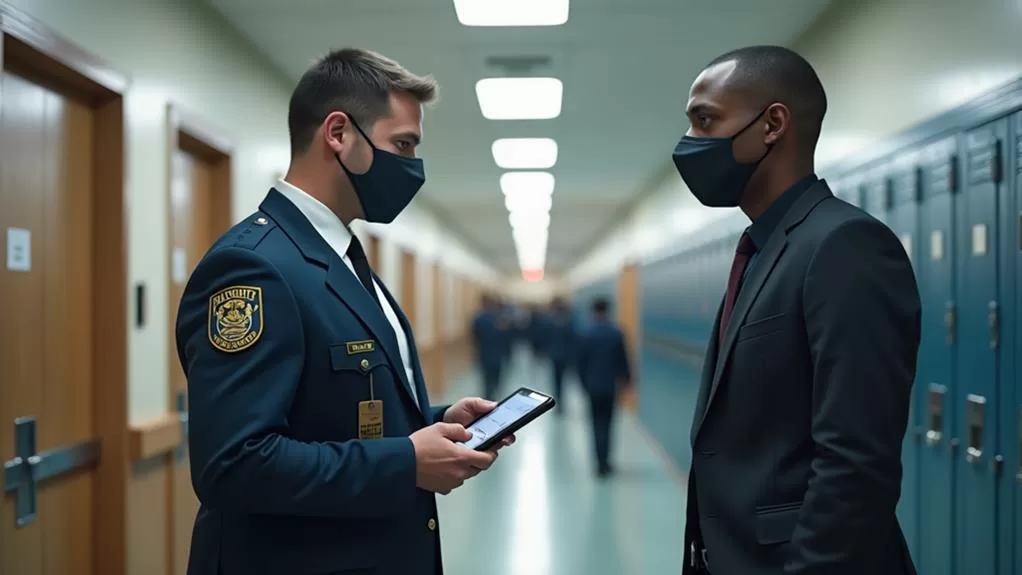
The human verification process in AI threat detection software is an essential layer that guarantees the accuracy and reliability of threat alerts. This process involves human operators verifying alerts triggered by the AI system, making sure that false alarms are minimized and accurate threat detection is maximized.
Upon detecting a potential threat, such as a firearm, the AI system alerts human operators for further assessment. This step is vital, especially in school environments, where the stakes are high and accuracy is paramount. Human verification helps in reducing false alarms, which can cause unnecessary panic and disruption. For instance, many security systems, like the GW Security 15 Channel system, incorporate advanced features to aid in accurate threat detection.
Here are some key aspects of the human verification process:
- Verification of Alerts: Human operators review AI-generated alerts to confirm the presence of a threat.
- Reduction of False Alarms: Human verification makes sure that alerts are authentic, reducing the likelihood of false alarms.
- Informed Decision-Making: Trained personnel make informed decisions based on AI-generated alerts, enhancing the response to potential threats.
- Enhanced Security Measures: The combination of AI technology and human verification enhances the overall effectiveness of security measures.
This process allows for a balanced approach, leveraging the strengths of both AI and human judgment to create a robust and reliable security system. By integrating human verification into AI threat detection software, schools can achieve more accurate and reliable security measures.
Impact of State Funding
State legislatures have been crucial in funding school safety measures, including the adoption of AI threat detection software like ZeroEyes.
For example, Kansas proposed allocating up to $5 million for AI systems that meet specific criteria, such as a patent and a DHS anti-terrorism technology designation, which effectively restricts the funding to companies like ZeroEyes.
This legislative support underscores the impact of state funding on the integration of advanced security technologies in schools, often driven by stringent safety requirements and the influence of DHS designations.
Legislative Funding Support
How are state legislatures backing the integration of AI threat detection software into school security measures? State legislatures have been actively supporting the adoption of advanced security technologies through legislative funding, reflecting a growing commitment to enhancing school safety.
Several states have passed funding bills specifically aimed at integrating AI-powered threat detection systems into their school security protocols. For instance:
- Kansas, Michigan, Utah, and Iowa have enacted legislation providing grants for schools to acquire and implement AI firearm detection software, often with specific requirements such as a DHS anti-terrorism designation.
- ZeroEyes, a prominent company in this field, has influenced these legislative efforts through advocacy and lobbying, ensuring their technology meets stringent security standards.
- ALEC's model policy emphasizes the importance of aligning school safety measures with national security standards, including the requirement for a DHS anti-terrorism designation.
- State-specific funding allows schools to invest in targeted security solutions, such as AI surveillance cameras, to bolster their defenses against potential threats.
These legislative actions underscore a strategic approach to school safety, prioritizing the integration of cutting-edge security technologies to safeguard educational environments.
State Safety Requirements
As we investigate the impact of state funding on school safety requirements, it's evident that legislative support is essential for integrating AI threat detection software. Several states have enacted legislation to fund school safety purchases, often with specific requirements that favor AI gun-detection software.
State Safety Requirements and Funding
| State | Legislation Details | Funding Allocation |
|---|---|---|
| Missouri | Matching grants for schools to purchase firearms detection software | $2.5 million |
| Kansas | Proposed $5 million allocation for AI-powered gun detection, subject to stringent criteria | Up to $5 million |
| Iowa | Mandates schools to install firearms detection software, with anti-terrorism designation required by July 1, 2025 | Funding for compliance |
| Utah | Supports AI-powered threat detection solutions through state funding | Varies by district |
| Michigan | Allocates funds for schools to implement AI gun-detection technology | State-specific grants |
Lobbyists for ZeroEyes have significantly influenced legislation in these states, often resulting in bills that mandate the use of their technology due to specific criteria, including the Department of Homeland Security's anti-terrorism designation. This underscores the strategic role of lobbyists in shaping state safety requirements. As a result, schools in these states are increasingly adopting AI-powered threat detection solutions to enhance their security measures.
DHS Designation Influence
The influence of the Department of Homeland Security (DHS) anti-terrorism designation on state funding for school safety measures is a vital factor in the adoption of AI-powered threat detection software. This designation has played a noteworthy role in shaping legislation across various states.
State legislatures have been persuaded by lobbyists from companies like ZeroEyes to include specific requirements in funding bills. Here are some key points illustrating this influence:
- Legislative Requirements: Five state legislatures have required a DHS anti-terrorism designation for school safety funding, ensuring that only technology meeting these standards can be funded.
- Funding Restrictions: State funding for school safety purchases in some states is tied to specific requirements, including the DHS anti-terrorism designation, limiting competition to only those technologies that meet these criteria.
- Lobbying Efforts: Lobbyists from ZeroEyes have successfully influenced legislation in multiple states, leading to the passage of funding bills that favor their technology.
- Model Policy Influence: While there's no indication that the ALEC model policy specifically includes a requirement for the DHS anti-terrorism designation, the focus on accredited and verifiable technologies like ZeroEyes' has driven similar language in state bills.
These factors collectively highlight how the DHS designation significantly impacts the allocation of school safety funding, favoring technologies that have obtained this prestigious designation.
Expert Criticisms and Concerns
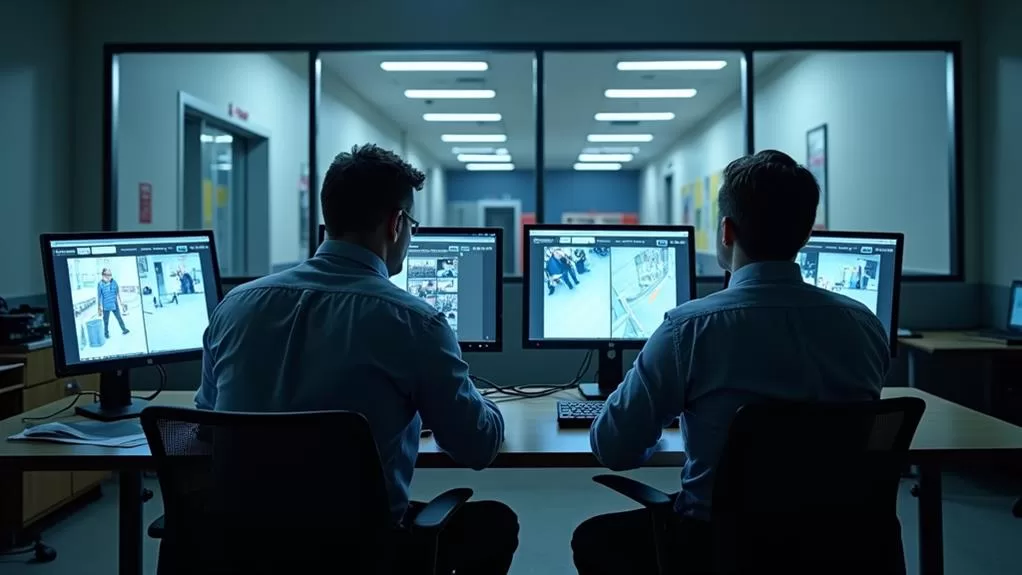
As I examine the use of AI threat detection software in school security, I find that experts raise important concerns. They question the effectiveness of these systems, pointing out their limited ability to prevent shootings and their potential to generate false alarms, which can significantly impact response times.
Additionally, issues of privacy and bias in the technology add complexity to the debate, making it essential to carefully assess these factors before implementation.
Effectiveness Concerns
Despite the growing trend of integrating AI gun-detection software into school security systems, numerous experts and critics raise important concerns about its effectiveness. One of the primary concerns is that while AI gun-detection software may expedite response times, it may not necessarily prevent shootings. Here are some key issues:
- False Alarms: AI gun-detection software may trigger false alerts, which can lead to unnecessary panic and disruptions, and also erode trust in the system over time.
- Limited Surveillance Capabilities: The effectiveness of AI gun-detection software is highly dependent on the quality and coverage of surveillance systems within schools, which can vary significantly.
- Rapid Nature of Events: Active shooter events unfold rapidly, often leaving little time for AI systems to detect and respond effectively.
- In-depth Security Measures: Experts emphasize that enhancing school security requires a thorough approach that goes beyond just technology, including protocols for immediate response and ongoing community engagement.
These concerns underscore that AI gun-detection software, while potentially useful, isn't a cure-all for school security. Ensuring the reliability and efficacy of such systems is essential for their successful integration into broader security strategies.
Privacy and Bias Issues
Privacy concerns and potential biases in AI surveillance systems are significant issues that school administrators and experts must address when integrating these technologies into school security protocols. One of the primary concerns is the potential for intrusive surveillance, where AI systems can track students in ways that previously weren't possible. This can lead to an invasion of their privacy rights, making students feel constantly monitored and impacting their autonomy.
AI surveillance systems may also introduce bias in monitoring practices, affecting how incidents are identified and responded to. Biases can stem from the training datasets, leading to unfair targeting or overlooking of certain groups.
For instance, facial recognition technologies have shown higher misidentification rates for certain racial groups, which can perpetuate existing discriminations.
Critics argue that AI technology in school security may infringe on students' privacy rights by collecting and analyzing extensive personal data, including academic records and online activities. To mitigate these concerns, stakeholders emphasize the importance of ensuring transparency and accountability in AI surveillance systems. This involves clear guidelines on data collection and use, as well as mechanisms for addressing bias concerns.
Ultimately, it's essential to strike a balance between ensuring school safety and respecting students' privacy. This can be achieved by implementing AI systems that incorporate privacy measures from the outset and by promoting transparency and accountability in their deployment.
False Alarm Risks
How effective is AI gun-detection software in preventing school shootings when it frequently triggers false alarms? This question is at the heart of concerns raised by school safety experts about the use of AI gun-detection software, such as ZeroEyes. While the technology is marketed as "proactive" and designed to expedite response times during active shooter events, its efficacy is undermined by false alarm risks.
- False Alarms: False alarms triggered by AI gun-detection software have led to unnecessary lockdowns, police responses, and student panic, highlighting the technology's fallibility.
- Impact on Response: These false alarms can erode trust in the system and divert critical resources, potentially reducing the overall efficiency of the technology during real events.
- Surveillance Capabilities: Experts emphasize the need for a thorough assessment of a school's surveillance capabilities before investing in AI gun-detection technology to guarantee it can support such systems.
- Untested Scenarios: The technology's performance in various scenarios, such as distinguishing between real and toy guns, remains a concern, further complicating its utility.
Despite the potential benefits of faster response times, concerns about false alarm risks and the necessity of robust surveillance capabilities must be addressed to ensure the efficacy of AI gun-detection software in preventing school shootings.
Cost and Marketing Strategies
When it comes to the cost and marketing strategies of AI threat detection software like ZeroEyes, school districts face a intricate landscape of varying expenses and persuasive marketing tactics. The annual cost for implementing ZeroEyes can be substantial, with some school districts paying up to $130,000 annually for the gun-detection software. For instance, Park City School District in Utah pays $109,200 each year, as indicated in public records.
| District | Annual Payment | Features |
|---|---|---|
| Park City School District | $109,200 | Advanced AI gun-detection |
| Generic School District | Up to $130,000 | Thorough security measures |
| Small School District | Varies | Basic AI threat detection |
ZeroEyes uses marketing strategies that emphasize the "proactive" nature of their AI technology to sway school districts into purchasing their software. These tactics often highlight the enhanced security measures provided by the technology, which can be a convincing argument for districts seeking to improve their safety protocols. However, the cost can vary based on the specific features and needs of the district, making it essential for school administrators to carefully assess their budget and security requirements before making a decision.
Enhancing Incident Response
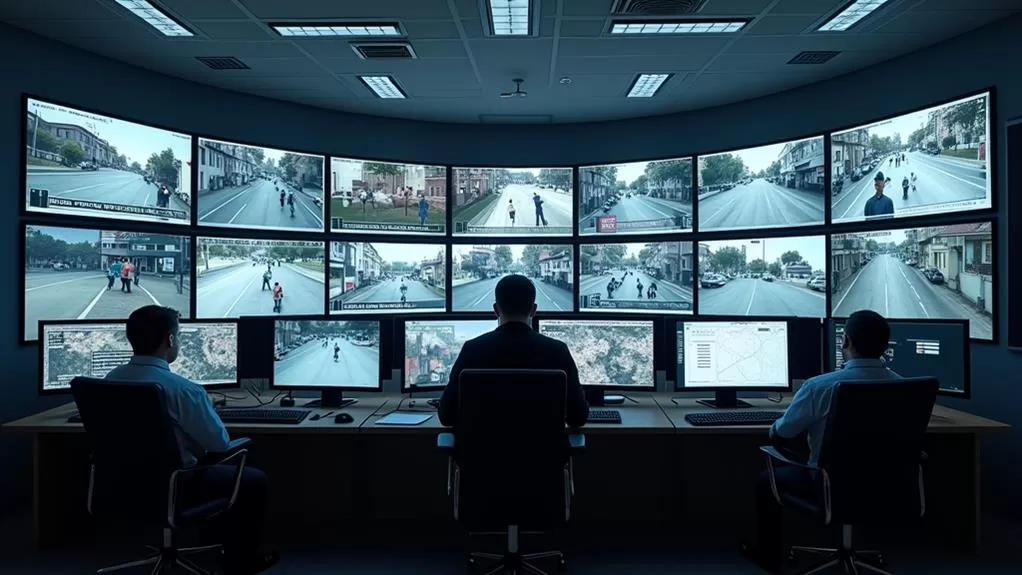
What makes AI-powered threat detection software a game-changer in school security is its ability to enable swift and effective incident response. This technology allows schools to respond promptly to potential incidents, ensuring the safety of students and staff.
Real-time alerts from AI systems are essential in helping security personnel identify and address abnormal situations promptly. Here are some key ways AI enhances incident response:
- Real-time Alerts: AI systems trigger immediate alerts when they detect suspicious activity, enabling security teams to act quickly.
- Integration with Access Control: Combining AI-powered video surveillance with access control systems enhances incident response capabilities by providing a complete view of the security environment.
- Video Management Software: VMS plays a critical role in creating a thorough security solution, allowing for seamless integration and efficient management of security data.
- Proactive Planning: Leveraging recorded data helps schools improve their security protocols for future incidents, enabling proactive planning and better preparedness.
Frequently Asked Questions
How AI Can Be Used to Enhance Security Systems?
I use AI to enhance security by leveraging facial recognition, behavior analysis, and anomaly detection for real-time alerts. Predictive modeling anticipates threats, while access control and surveillance monitoring are optimized through machine learning, ensuring proactive and precise security measures.
How Is AI Used in Threat Detection?
I use AI algorithms for threat analysis, anomaly detection, and behavior monitoring, which trigger real-time alerts for suspicious activities. Facial recognition and machine learning help identify potential risks, even detecting cyber threats, enhancing overall school security.
What Do Schools Use to Detect Ai?
To detect threats, schools use AI-powered systems that leverage machine learning, facial recognition, behavior analysis, data analytics, image processing, pattern recognition, and anomaly detection for real-time monitoring, ensuring swift and accurate threat identification and response.
What Is the AI Security Camera for Schools?
The AI security camera for schools uses facial recognition, behavior analysis, and intrusion detection to identify suspicious activity, sending real-time alerts. It integrates with access control systems and detects weapons, employing biometric identification for enhanced safety.
Final Thoughts
AI-powered gun detection is a critical tool in enhancing school security, offering real-time threat alerts and swift response times. While state funding can facilitate its adoption, expert criticisms highlight potential false alarms and high costs. Despite these concerns, the technology's ability to detect guns quickly and accurately makes it a valuable asset in preventing tragedies. Its integration with existing systems guarantees a proactive and intelligent security approach, ultimately safeguarding students and staff more effectively.