
AI surveillance is revolutionizing the notion of transparency by catching politicians fiddling with their phones during live government meetings. Privacy invasion? Possibly. But hey, we're talking real-time accountability here. While some see AI as Big Brother with a digital notebook, others hail it as the ultimate watchdog. Blurring lines between transparency and intrusion, it stirs up fierce debate. Dare to explore the potential consequences—it's bound to get interesting.
Key Takeaways
- AI facial recognition software monitors politicians' phone use during live-streamed Flemish government meetings.
- Increased scrutiny arises from AI tracking, raising privacy concerns and ethical debates about surveillance.
- Public opinion is split on AI-driven tracking, with some viewing it as necessary and others as intrusive.
- Legal frameworks struggle to keep pace with AI surveillance technology, sparking debates among lawmakers about regulation.
- AI's potential to spread misinformation, such as through deepfakes, complicates efforts to regulate AI content.

Although politicians often relish the spotlight, the scrutiny they face has reached new heights. In the age of AI, even Flemish government meetings are live-streamed on YouTube, offering audiences a peek into what might otherwise be private moments. Politicians caught on their phones during these sessions spark debate. Are they managing work issues or scrolling through memes? The answer is elusive, and reactions vary.
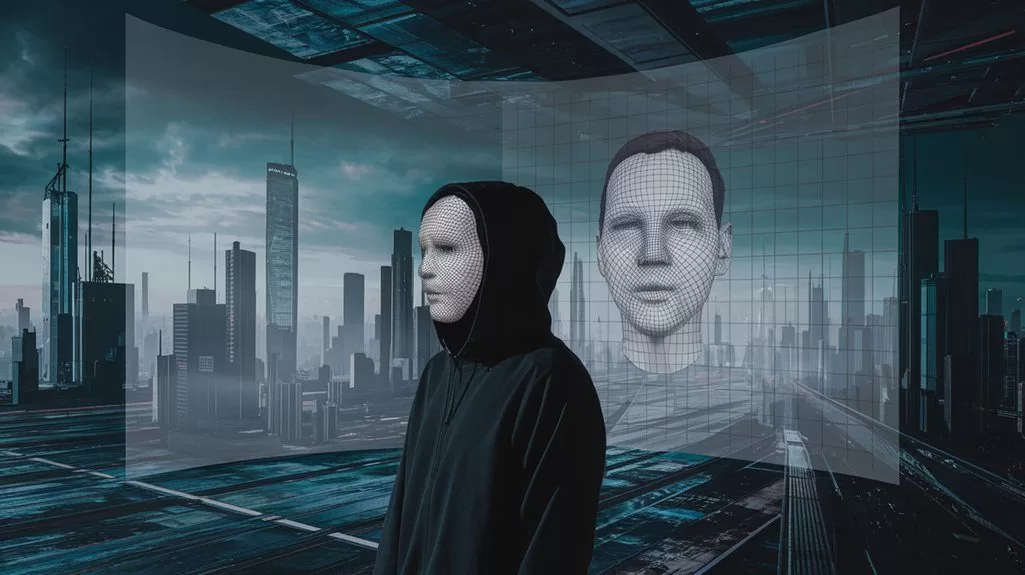
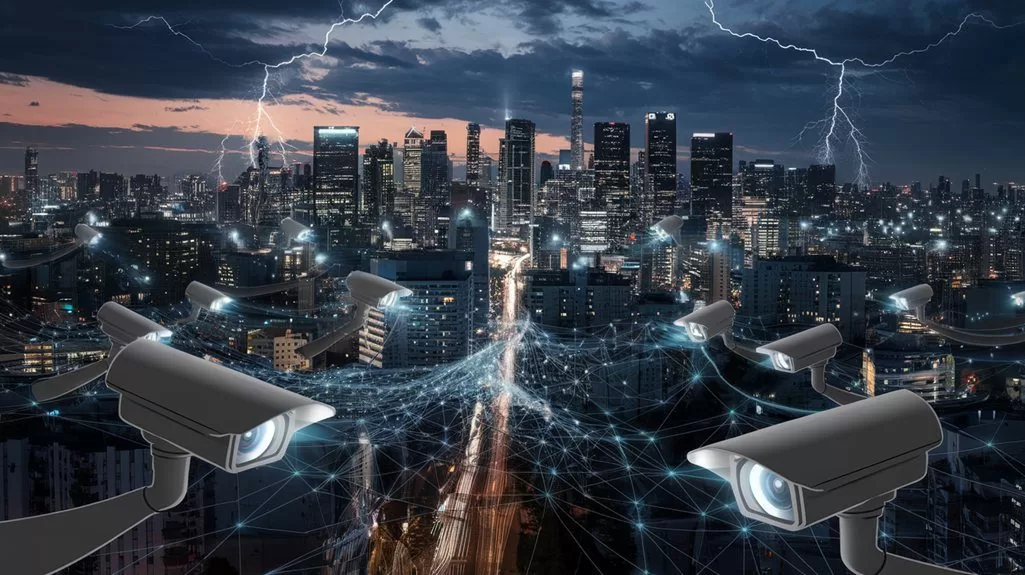
Using AI technology, facial recognition software can pinpoint politicians' phone use during meetings, adding another layer of intrigue. This advanced surveillance capability raises substantial privacy implications. Public figures are often expected to maintain a veneer of transparency. But when every glance at a phone is potentially recorded and analyzed, where do we draw the line on ethical considerations? The lack of transparency and user autonomy in AI-driven tracking systems further complicates the debate, with significant ethical implications.
Facial recognition in meetings sparks debate: transparency or privacy invasion?
There's a legal gray area here. No specific laws currently govern the use of AI to track such behaviors during public meetings. Is this a case of technology outpacing regulation? Probably. Legislators remain polarized, debating whether AI surveillance should be more tightly regulated. Some lawmakers argue for stricter oversight, while others see AI as a tool for accountability. It's a tug-of-war with no clear winner in sight. Data brokers utilize smartphones to gather location data valuable for political campaigns, and this capability is increasingly entwined with the debates around AI surveillance in politics.
Public perception is equally divided. Some view AI-driven tracking as a necessary check on politicians' behavior. Others see it as an unwanted invasion of privacy. The fear of a surveillance culture looms large. Are we comfortable with this level of scrutiny? Or is it simply the price of modern transparency? The software's ability to provide real-time accountability by tweeting clips of politicians using their phones further fuels this debate.
AI's role doesn't end with surveillance. Its ability to spread misinformation through deepfakes adds another twist. Deepfake technology hasn't yet rocked U.S. elections but has influenced campaigns internationally. The potential for misuse is significant, prompting legislative efforts to regulate AI-generated content. Still, the line between vigilance and overreach is blurry.
Meanwhile, advocacy for transparency in AI applications continues. People want to know how their data—and their politicians'—is being used. Bipartisan efforts to legislate AI usage are underway, though fraught with divergence. State-level regulations demand consent for AI use in sensitive contexts, but national debates persist. Democrats and Republicans often clash on AI policy, with privacy and regulation at the crux.
The public remains skeptical. Mixed opinions abound about whether monitoring politicians' phone use is beneficial or intrusive. Privacy concerns, naturally, are heightened. As technology evolves, so do societal norms around surveillance. In this new reality, the line between public interest and personal privacy is increasingly hazy. Yet here we are, watching, analyzing, judging. And maybe, just maybe, questioning who's really in control.
References
- https://www.latimes.com/politics/la-na-pol-campaign-tech-privacy-20190220-story.html
- https://www.10news.com/news/fact-or-fiction/fact-or-fiction-software-tracks-how-long-politicians-are-on-phones-during-meetings
- https://time.com/7131271/ai-2024-elections/
- https://now.tufts.edu/2025/02/27/how-ai-intersects-politics-jobs-and-how-we-get-information
- https://isps.yale.edu/sites/default/files/files/Politics-of-AI-DanielSchiff-2024_03_30.pdf