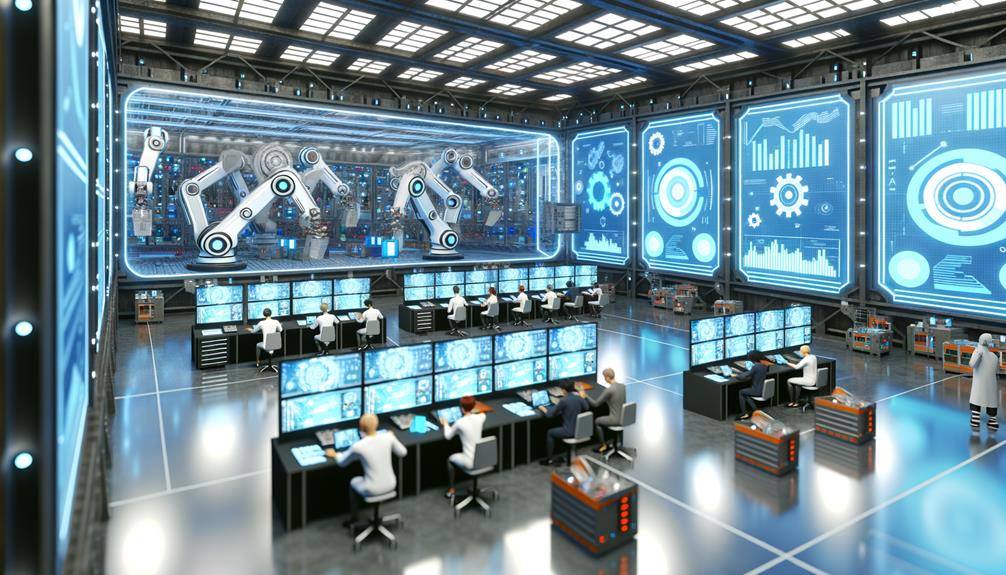


AI camera systems are revolutionizing school safety by leveraging machine learning to detect and prevent threats. These systems use computer vision and deep learning models to analyze real-time images from surveillance cameras, recognizing various types of firearms with high precision. They integrate seamlessly with existing security infrastructure, such as network video recorders, to provide centralized video management. However, challenges include the impact of lighting conditions and environmental factors on accuracy, emphasizing the importance of thorough system training and adaptability. By enabling proactive threat detection and instant alerts, these systems notably reduce response times. For more on how these technologies enhance security and prevent threats, continue exploring this topic.
Key Takeaways
- AI-Powered Weapon Detection: AI camera systems use computer vision and deep learning to detect various types of firearms in real-time, enhancing school safety.
- Real-Time Threat Alerts: These systems send immediate alerts to security personnel upon detecting a weapon, enabling swift and proactive threat prevention.
- Environmental and Lighting Challenges: Accuracy can be affected by lighting conditions, visibility of weapons, and other environmental factors, necessitating thorough system training and testing.
- Predictive Risk Assessment: Machine learning models analyze historical data to predict the risk of violence, helping in early intervention and prevention.
- Integration with Existing Infrastructure: AI systems seamlessly integrate with existing surveillance cameras and security protocols, enhancing overall security and response times.
Visual AI for Weapon Detection
When it comes to enhancing school safety, AI camera systems equipped with visual AI for weapon detection are transforming the landscape. These systems leverage advanced computer vision and deep learning models to process images from surveillance cameras in real-time, enabling swift and accurate detection of potential threats. The core technology involves training deep learning models on extensive datasets of weapon images, allowing the AI to recognize various types of firearms and other weapons with high precision.
Additionally, these smart AI systems can be integrated with network video recorders (NVRs) for centralized video management, ensuring a thorough surveillance solution.
Visual AI integrates seamlessly with existing surveillance cameras, turning them into smart detectors capable of identifying and classifying objects. This proactive approach contrasts with traditional reactive measures, as AI camera systems can automatically alert authorities and school administrators as soon as a weapon is detected.
However, the accuracy of these systems can be influenced by factors such as lighting conditions and the visibility of the weapon, which can lead to false alarms or missed detections.
Challenges in Threat Detection
Challenges in Threat Detection
Despite the advancements in AI-powered weapon detection, several obstacles can impact the accuracy and effectiveness of these systems. When implementing AI camera systems for school threat prevention, it’s important to take into account the environmental and technical hurdles that can influence their performance.
- Lighting Conditions: Poor lighting or high-contrast scenarios can have a notable impact on the accuracy of weapon recognition, leading to false negatives where a real threat might go undetected. Systems like the GW Security 16 Channel 4K NVR offer excellent night vision, which can help alleviate these issues.
- Visibility of Weapons: The angle at which a weapon is held and any obstructions can impede the detection of threats, making it essential for systems to be trained on a wide range of scenarios.
- Environmental Factors: Lighting and visibility are important environmental factors that influence the accuracy of threat identification. Ensuring ideal conditions can improve the reliability of AI-powered systems.
- System Training: AI systems must be trained to recognize various types of weapons to enhance threat detection. This involves extensive machine learning processes using labeled datasets to enhance the accuracy of weapon recognition.
These challenges highlight the need for thorough testing, continuous learning, and adaptability in AI-powered school security systems to ensure they can effectively mitigate potential threats and provide a safe environment. By addressing these obstacles, schools can leverage AI to enhance their security protocols and reduce the risk of violent incidents.
Predictive AI for Risk Assessment

Predictive AI systems, pioneered by institutions like Cincinnati Children’s Hospital, are revolutionizing the way schools assess and mitigate risks of violence. These systems leverage machine learning and natural language processing (NLP) to analyze student language and identify risk characteristics, enabling early intervention before potential threats escalate.
The AI-driven risk assessment process involves asking students a series of questions, which are then analyzed by automated systems to predict the likelihood of violent outcomes. This approach has shown high accuracy, often matching the judgments of child and adolescent psychiatrists.
Historical data analysis plays a pivotal role, as machine learning algorithms review past incidents to identify patterns and warning signs that may indicate future risks. To further complement these efforts, schools are adopting advanced security systems like the GW Security 15 Channel 4K NVR 5MP POE Audio & Video System, which offers real-time viewing and recording.
Training data diversity is essential for accurate predictions and improving safety measures. By including a wide range of student responses and demographic data, the AI system can better understand the complex factors contributing to school threats. This inclusive approach helps in proactively addressing potential threats, ensuring safer educational environments for all students.
Continuous Threat Monitoring
Continuous threat monitoring is a key component of AI-powered school security systems, building on the strategic risk assessment processes discussed earlier. This real-time monitoring enables schools to detect and respond to potential security risks instantly, enhancing overall safety.
AI-powered cameras equipped with machine learning algorithms continuously analyze video streams to detect anomalies and classify objects, such as weapons, for continuous monitoring. Here are some key benefits of this approach:
- Real-time Monitoring: AI systems continuously monitor video feeds, allowing for immediate detection of threats.
- Proactive Threat Prevention: Machine learning algorithms enable the cameras to identify and flag potential security risks before they escalate.
- Instant Threat Detection: AI-powered cameras provide instant alerts, ensuring a quick response to any detected threats.
- Anomaly Detection: The systems can recognize unusual behavior patterns, helping security personnel intervene promptly.
Enhancing Security Infrastructure

Enhancing security infrastructure in schools is a critical step in safeguarding students and staff. Integrating AI camera systems with existing security protocols greatly strengthens the overall security framework.
Integration with Access Control Systems
AI camera systems leverage machine learning to enhance security infrastructure through several key methods:
| Feature | Description |
|---|---|
| Access Control | Ensuring only authorized individuals enter school premises by integrating with access control systems. |
| Real-Time Analysis | Analyzing video streams in real-time for anomaly detection, enabling immediate action. |
| Object Recognition | Using machine learning algorithms for efficient threat detection and object recognition, such as identifying weapons. |
By integrating AI camera systems with access control systems, schools can create a strong security infrastructure. This integration allows for continuous monitoring and instant classification of potential threats, ensuring that threats can be responded to promptly. Efficient algorithms enable real-time threat detection and reduce the likelihood of false alarms, making the security response more proactive and effective.
This thorough approach to school security enhances the ability to anticipate and respond to threats, thereby safeguarding students and staff more efficiently.
Frequently Asked Questions
How Does Machine Learning Prevent Cyber Threats?
Machine learning doesn’t directly prevent cyber threats; it’s primarily used for physical threat detection through anomaly detection, behavior analysis, and image recognition. However, it can aid in risk assessment and pattern recognition, enhancing overall security protocols.
How Does Machine Learning Prevent Cyber Threats?
Machine learning prevents cyber threats by detecting anomalies through real-time monitoring, analyzing behavioral patterns, and recognizing images. It uses predictive modeling to forecast potential threats, enabling swift incident response and thorough risk assessment through advanced data analysis and pattern recognition.
What Is the Use of AI in Security Cameras?
I use AI in security cameras for facial recognition, intrusion detection, and behavior analysis, enabling real-time alerts and anomaly detection. Predictive analytics enhance threat assessment, while remote monitoring and video surveillance aid in crime prevention, making environments safer.
How Is AI Used in Cybersecurity?
In cybersecurity, I use AI to detect threats, identify anomalies, and analyze behavior, monitoring networks in real-time. AI enables predictive analytics, pattern recognition, intrusion prevention, malware detection, and risk assessment, enhancing data protection and automating security tasks.
Final Thoughts
Conclusion:
AI-powered camera systems are revolutionizing school safety by leveraging machine learning for real-time threat detection and predictive risk assessment. These systems automatically identify potential threats, such as weapons, and alert staff immediately, reducing response time. While challenges like environmental factors and data quality exist, integrating AI with existing security infrastructure enhances situational awareness and proactive planning. This technology is essential for creating safer learning environments, providing peace of mind for students, staff, and families.