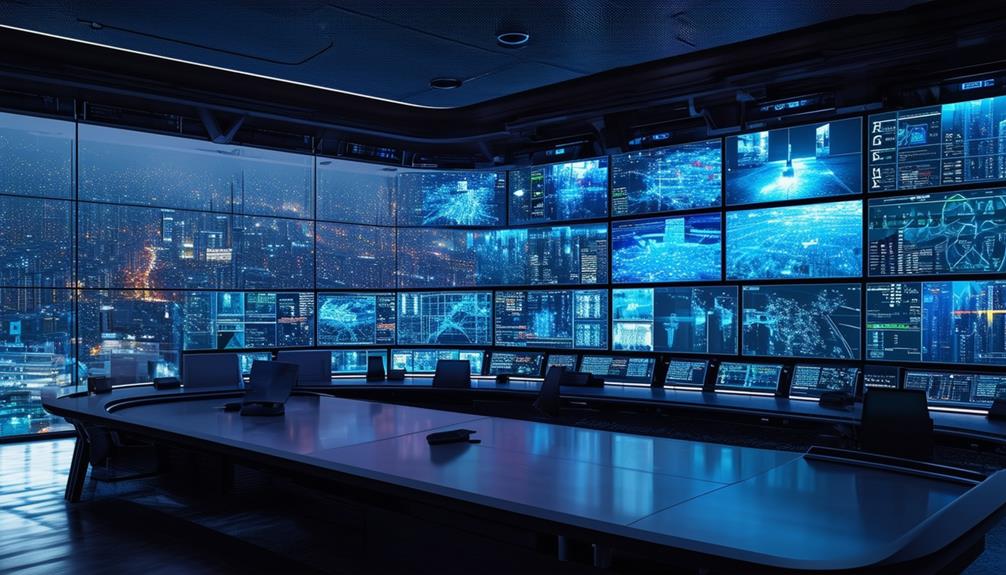


AI-powered vehicle camera systems are revolutionizing road safety by leveraging advanced technologies like automatic number plate recognition, real-time object detection, and character recognition. These systems identify vehicles, monitor driver behaviors, and predict potential dangers, significantly reducing accident risks. Convolutional neural networks enhance license plate recognition, even in adverse conditions, while real-time alerts for obstacles, vehicles, and pedestrians improve driver awareness and safety. Additionally, they detect speeding, aggressive driving, and distracted behaviors, providing actionable insights for safer driving habits. By integrating these features, AI-powered vehicle camera systems enhance overall traffic management and fleet security, and there's more to explore about how these technologies are making roads safer.
Key Takeaways
- Real-Time Vehicle Identification: AI algorithms analyze images and videos to recognize license plates, vehicle models, and driver behaviors in real-time.
- Enhanced Safety Features: AI-powered systems detect pedestrians, vehicles, lanes, and objects, enabling features like Forward Collision Warning and Lane Departure Warning[BACKGROUND].
- Collision Warnings and Risk Management: AI-driven cameras monitor the road, detecting obstacles and potential collisions, and alert drivers instantly about risks[BACKGROUND].
- Driver Behavior Monitoring: AI systems analyze driving patterns, lane deviations, and sudden maneuvers, issuing alerts for risky behaviors and promoting safer habits[BACKGROUND].
- Fleet Security and Surveillance: AI-powered camera systems provide real-time notifications for fleet security, detecting obstacles and addressing unsafe driving practices[BACKGROUND].
AI-Powered Vehicle Recognition
AI-powered vehicle recognition systems are constantly evolving, leveraging advanced technologies to identify vehicles on the road with exceptional accuracy. These systems use AI algorithms to analyze images and videos, providing real-time vehicle identification. This technology isn't just limited to detecting license plates; it can also recognize vehicle models and even driver behaviors, making it a versatile tool for various applications.
The core of AI-powered vehicle recognition lies in its ability to process and interpret visual data. AI algorithms preprocess images to enhance quality, correct distortions, and standardize the input data. Convolutional neural networks (CNNs) are commonly used for character recognition, allowing the system to identify license plates with high precision even under challenging conditions such as poor lighting, glare, or extreme weather.
This advanced technology markedly enhances road safety and improves traffic management. By accurately identifying vehicles, these systems can help law enforcement agencies track stolen vehicles, monitor traffic flow, and issue citations more efficiently.
Additionally, AI-powered systems offer features like vehicle tracking, parking assistance, and automated toll collection, further streamlining traffic operations and improving overall safety on the roads.
Advanced Safety Features
As we explore the capabilities of AI-powered vehicle recognition, it's evident that these systems aren't just about identifying vehicles; they also play a crucial role in enhancing road safety. AI-powered vehicle camera systems offer a wide range of advanced safety features designed to prevent accidents and enhance the safety of drivers and pedestrians alike.
These systems can detect pedestrians, vehicles, lanes, and objects, providing extensive safety measures. Features like Forward Collision Warning and Lane Departure Warning alert drivers of potential dangers on the road, helping to reduce the risk of accidents.
Advanced AI technology also enables Pedestrian Collision Warning and Stop & Go Reminders, which greatly improve driver awareness and reaction times.
Additionally, AI dash cams incorporate features such as Blind Spot Detection and GPS Map Integration, further enhancing safety and security during driving and parking. Smart G-Sensors in these systems trigger recording upon impact detection, ensuring important events are captured for analysis and review.
Real-Time Collision Warnings

Real-time collision warnings are a cornerstone of AI-driven vehicle camera systems, alerting drivers to potential hazards in split seconds. These advanced systems utilize AI-driven features to constantly monitor the road, detecting obstacles, vehicles, pedestrians, and cyclists in real time. By leveraging advanced artificial intelligence, these cameras can identify potential risks and provide immediate alerts, notably enhancing road safety and driver awareness.
The ability of AI cameras to detect sudden lane departures or forward collisions is critical in preventing accidents. These systems continuously analyze traffic patterns, enabling them to predict and warn drivers about potential dangers ahead.
For instance, if a vehicle is approaching rapidly or if a pedestrian steps out between two frames, the AI system can alert the driver instantly, giving them valuable time to react and avoid a collision.
Incorporating real-time collision warnings into vehicle safety protocols is a pivotal aspect of revolutionizing road safety. This technology not only minimizes the risk of accidents but also aids in effective risk management.
Driver Behavior Monitoring
Driver behavior monitoring is an essential part of modern vehicle safety systems, building on the foundation of real-time collision warnings. With AI-powered camera systems, we can detect speeding, aggressive driving, and distracted behaviors in real-time, enhancing road safety significantly. These systems analyze driving patterns, lane deviations, and sudden maneuvers to assess driver safety, providing a detailed view of on-the-road activities.
AI cameras can issue alerts for risky behaviors such as tailgating, sudden braking, or erratic driving, enabling prompt intervention. By monitoring driver behavior, AI systems help prevent accidents, improve road safety, and reduce insurance costs.
For fleet managers, these systems offer actionable insights for coaching, training, and promoting safer driving habits. Real-time alerts allow for immediate responses to hazardous driving, ensuring the safety of both drivers and other road users.
The data collected from these systems also enables ongoing improvement in driver performance. Fleet managers can use this information to tailor coaching and training programs, fostering a culture of safer driving habits within their fleets. This proactive approach not only enhances operational efficiency but also contributes to a safer environment for all stakeholders.
Enhanced Fleet Security
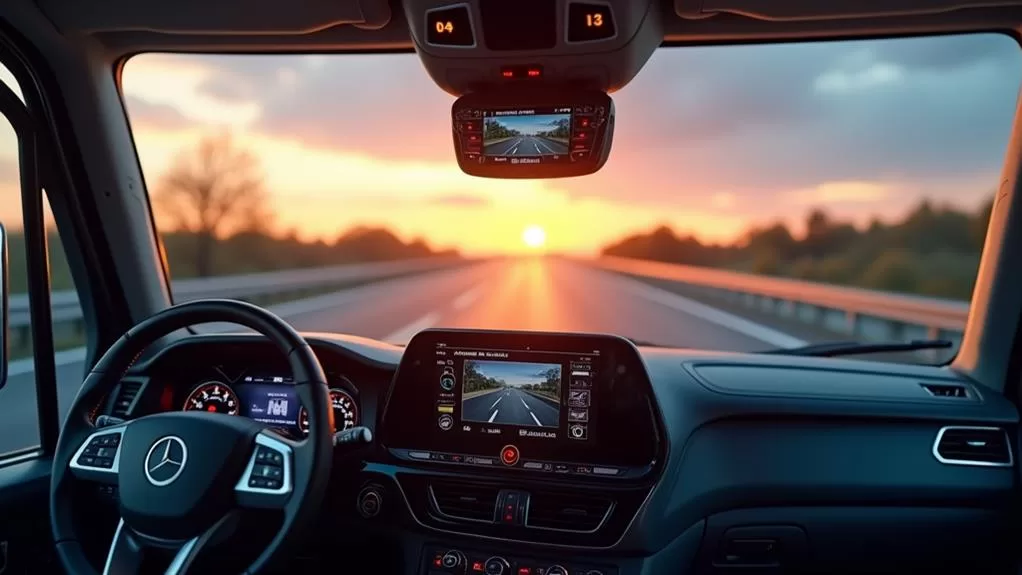
Enhanced fleet security is a top priority for fleet managers, and AI-powered vehicle camera systems play a crucial role in achieving this goal. These smart cameras use AI to minimize human errors, a primary cause of accidents, by providing real-time notifications and alerts about potential hazards. They detect obstacles, objects, cyclists, vehicles, and pedestrians, greatly improving overall road safety.
By monitoring driver behavior, these systems can identify and address unsafe driving practices, such as excessive speed or drowsiness, enabling fleet managers to take corrective action. This not only reduces the risk of accidents but also the related liabilities, enhancing the safety and convenience for both drivers and fleet owners.
The technology behind these systems involves multiple cameras that offer extensive coverage, ensuring continuous surveillance and detecting suspicious activities. This level of security management helps in preventing vehicle theft, unauthorized usage, and other security breaches, thereby reducing safety-related incidents.
Frequently Asked Questions
How Can AI Help With Road Safety?
AI helps with road safety through real-time monitoring of obstacles, predictive analytics to anticipate hazards, analyzing driver behavior, enhancing accident prevention, optimizing traffic management, facilitating emergency response, and utilizing license plate recognition, all supported by data visualization.
What Are Ai-Powered Cameras?
AI-powered cameras use real-time analysis and object recognition to provide automatic alerts, enhancing driver monitoring and visibility. They leverage predictive analytics to understand traffic patterns, ultimately aiding in accident prevention and improving overall road safety.
Final Thoughts
AI-powered vehicle camera systems are transforming road safety by integrating advanced safety features, real-time collision warnings, and driver behavior monitoring. These systems detect potential hazards, alert drivers to risky behaviors, and enhance fleet security. By analyzing vast amounts of data, AI cameras predict and prevent accidents, reducing the risk of human error. This technology is essential for fleet management, ensuring safer roads and more efficient operations.