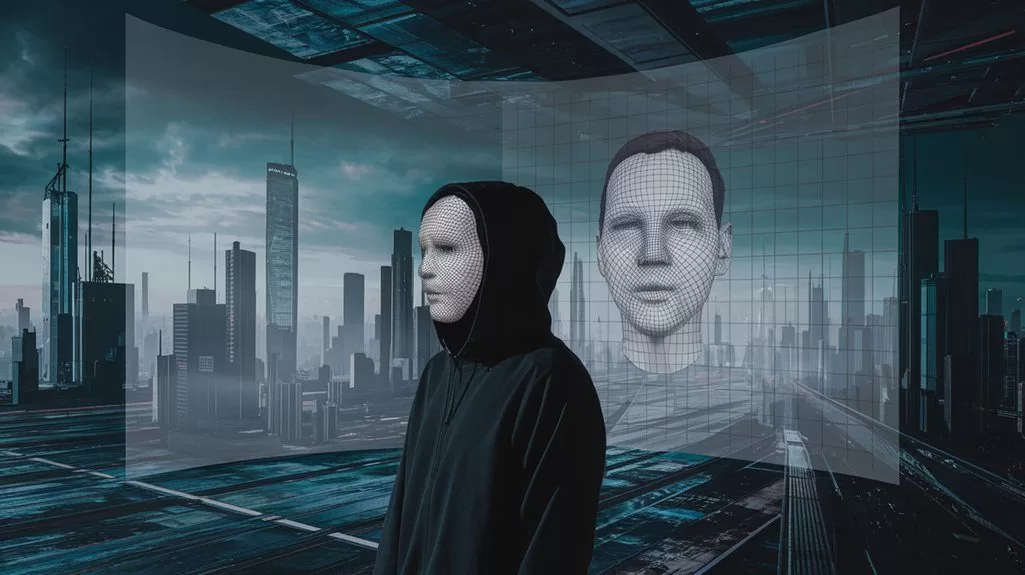


Europe's groundbreaking decision to ban emotion-tracking AI in workplaces and schools prioritizes privacy over tech excitement. Supporters applaud the shield against manipulation, while critics worry about innovation stifling under these new rules. Overregulation scare, anyone? It's a delicate dance, balancing privacy and tech. Schools and businesses face challenges adjusting their AI playgrounds, but healthcare remains a wild, regulated west with exemptions. So, is Europe a trailblazer or a roadblock? Find out what this means for ethical innovation.
Key Takeaways
- Europe bans emotion-tracking AI in workplaces and schools to protect privacy and prevent manipulation.
- The EU AI Act sets a global standard for ethical AI use, focusing on privacy protection.
- Critics argue the regulations might hinder innovation and competitiveness in the technology sector.
- Supporters believe the legislation safeguards individuals from invasive and unethical AI applications.
- Educational and healthcare sectors face challenges balancing innovation with compliance and privacy standards.

In a sweeping move, Europe has drawn a line in the sand against emotion-tracking AI, echoing a commitment to ethical tech use that might just make Silicon Valley's head spin. The EU AI Act, a regulatory beast aiming to shield individuals from emotion manipulation and privacy invasions, is here. With a focus on banning emotion-tracking AI in workplaces and schools, Europe is setting a global standard. It's like they're waving a big, bold flag that screams, "We value privacy!" But not everyone is cheering.
The EU's stance is simple. No more using AI to snoop on emotions through webcams and voice recognition at work. Schools, too, must step back from emotionally intrusive tech. Exceptions? Sure, for medical and safety uses. But don't get too excited—those are strictly controlled. Machine learning can reinforce cybersecurity by analyzing data and detecting anomalies, ensuring privacy measures are upheld.
AI snooping on emotions at work and in schools? The EU says no, with tightly controlled exceptions.
Supporters of this legislation are relieved. They argue that such measures protect individuals from the invasive tentacles of AI-driven emotion manipulation. Critics, however, warn that Europe might just be shooting itself in the proverbial foot. Is innovation being stifled? They say yes. The EU AI Act may lead to distinct technology markets due to regulatory divergence, as regions like China allow broader applications of emotion recognition technology.
This regulatory framework presents a mixed bag for businesses. Companies now face the challenging task of aligning their AI systems with these stringent rules. Non-compliance isn't an option, unless they're keen on kissing goodbye to 7% of their global revenue. Ouch.
The EU AI Act provides legal certainty for AI providers and market surveillance authorities, ensuring that businesses understand their obligations and responsibilities. But for those who play by the rules, there's a silver lining. They might just set a precedent, championing AI systems that respect privacy and ethical standards. Meanwhile, the EU's approach is starkly different from regions like the US, where AI regulation is as light as a soufflé. Europe aims to be the ethical leader, and this act could be the blueprint others might follow.
But let's not forget the educational sector. Schools must now rethink their AI-driven learning tools, especially those violating the emotion recognition ban. The challenge? Innovate without infringing on privacy. Critics worry about limitations on beneficial tools, like ChatGPT, but there's a silver lining—an opportunity to pioneer privacy-respecting educational technology.
As for healthcare, exemptions are granted, but with their own set of rules. It's a dance of compliance and innovation.
In the end, this regulatory juggernaut is a bold statement. Europe is taking a stand against emotion-tracking AI, balancing on the tightrope between privacy concerns and innovation. The debate rages on, with the world watching to see if this European gambit pays off—or backfires spectacularly. Either way, it's a brave new world for AI.
Final Thoughts
Europe's ban on emotion-tracking AI stirs a cocktail of privacy triumphs and innovation woes. Privacy advocates cheer, waving their virtual pom-poms. Meanwhile, tech companies sulk, clutching their now-worthless algorithms. Ethical innovation or technological roadblock? Depends who you ask. The decision embodies a classic struggle: safety versus progress. But let's be real, who doesn't love a bit of drama in the tech world? In the end, it's a reminder: emotions are best left to humans. For now, anyway.
References
- https://www.the-independent.com/tech/ai-act-eu-emotion-tracking-b2692654.html
- https://opentools.ai/news/eu-ai-act-sparks-heated-debate-over-emotion-recognition-ban
- https://allwork.space/2025/02/eu-cracks-down-on-ai-bans-workplace-emotional-surveillance-and-manipulation/
- https://techxplore.com/news/2025-02-eu-guidance-ai.html
- https://www.mobihealthnews.com/news/eu-issues-guidelines-banned-ai-practices