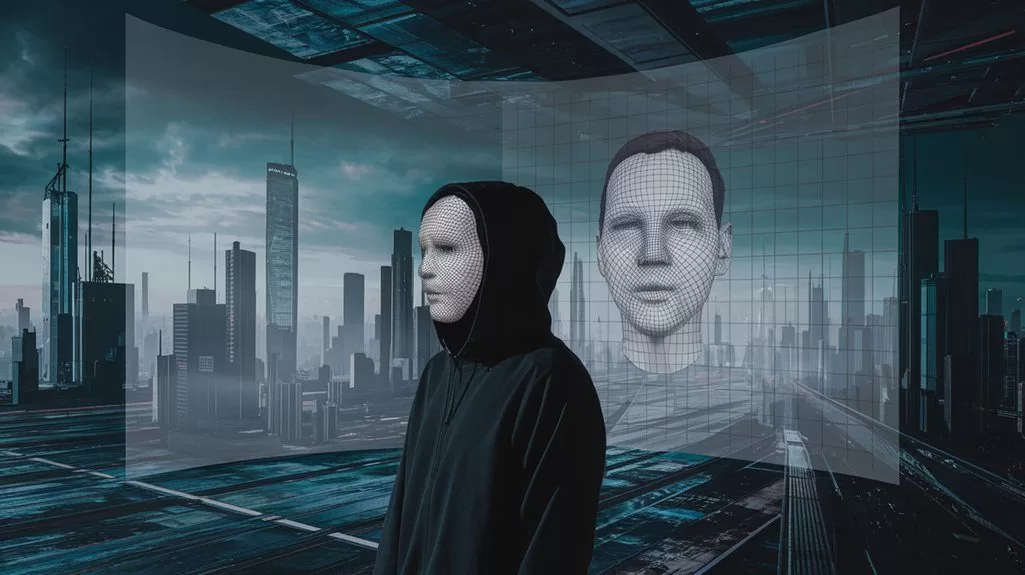


A teacher misused AI to fabricate sexual videos of students, highlighting AI's dark potential. Deepfakes in schools? Sadly, a reality. Students become creators or victims, complicating this environment. Legal frameworks? Barely exist. Schools? Unprepared, focused on punishment over prevention. Psychological toll? Enormous. Victims suffer in silence. AI misuse isn't fading; it's a growing menace blurring boundaries of reality. Corporate tech giants have power, but use it? Debatable. Curious about this chaos released by deepfake technology?
Key Takeaways
- A teacher used AI technology to create disturbing sexual videos involving students.
- Authorities have revealed the misuse of AI by the teacher in making these videos.
- The incident underscores the potential for AI misuse in educational settings.
- The case highlights urgent need for legal and ethical frameworks addressing AI-generated content.
- Schools struggle with inadequate resources to address and prevent such AI-related incidents.

A teacher using AI to create disturbing videos? It's not just a plot from a dystopian novel; it's a real issue plaguing schools today. With AI technology advancing at a breakneck pace, deepfakes have become the new frontier of digital mischief. AI ethics? Apparently, they're as elusive as a unicorn. The use of AI in creating deepfakes raises serious questions about digital safety, especially when these fabrications are used for sexual harassment and bullying within educational settings.
Consider this: 40% of students and 29% of teachers are aware of deepfakes circulating in their schools. That's not a small number. It's a significant chunk of the school population, living in the shadow of digital deception. Students are both the creators and victims, which complicates matters. Primary perpetrators and victims identified as students highlight the pervasive nature of this issue within educational settings.
A significant chunk of the school population lives in the shadow of digital deception.
And the schools? They're scrambling to keep up, often feeling like they're trying to catch smoke with bare hands. The lifelike nature of these deepfakes makes them devilishly difficult to identify, let alone address. Facial recognition technology could play a role in identifying and mitigating the impact of these digital deceptions through enhanced monitoring and detection capabilities.
Education systems are in a bind. They know they need to act, but without proper training or resources, their efforts resemble a band-aid on a bullet wound. Current strategies focus on severe discipline for the culprits. But prevention? Well, that's a different story. There's a pressing need for thorough education on deepfakes from an early age, yet the system lags behind in implementing these changes.
Legal and policy challenges add another layer of complexity. AI-generated content like deepfakes isn't neatly covered by existing laws. This legal limbo leaves schools in a precarious position. They hesitate to involve law enforcement, fearing the spotlight might shift to their inadequacies. Meanwhile, William Hasla's case underscores the urgent need for legal frameworks to address AI-generated explicit content involving minors.
Meanwhile, corporate giants in tech remain vital gatekeepers, tasked with reporting and combating AI-generated abuse. Their role? Often a silent one, as they juggle profit margins and ethical responsibilities.
The psychological toll on victims is profound. Anxiety, depression, even suicidal thoughts lurk in the aftermath of deepfake harassment. Yet, victims often stay silent, gripped by fear or shame. Schools, typically devoid of robust support systems, struggle to offer the necessary help. Counselors and legal guidance? Essential, but often in short supply.
In this digital age, AI's potential for misuse is as vast as its potential for good. The line between reality and fiction blurs, leaving students and educators to navigate a landscape fraught with ethical dilemmas and safety concerns. The need for a cohesive, informed response has never been greater.
References
- https://www.edweek.org/leadership/students-are-sharing-sexually-explicit-deepfakes-are-schools-prepared/2024/09
- https://www.youtube.com/watch?v=U30k_PZBP8k
- https://www.edweek.org/technology/why-schools-need-to-wake-up-to-the-threat-of-ai-deepfakes-and-bullying/2024/12
- https://raptortech.com/resources/blog/the-impact-of-ai-on-student-safety-and-cyberbullying/
- https://www.techtimes.com/articles/303639/20240416/new-report-ai-made-photos-videos-prompt-rise-child-abuse.htm