

Technology monitoring tools, like trusty guard dogs, sometimes snooze on duty. Integration issues plague systems, making them as cooperative as puzzle pieces from different sets. AI's knack for missing rapidly evolving threats highlights its limitations. Not so foolproof, these tools offer flexibility and performance boosts but stumble amidst modern IT chaos. Automation partly relieves, yet human intervention frequently bails it out. Want the nitty-gritty? There's more unraveling left.
Key Takeaways
- AI-based monitoring tools often struggle to detect rapidly evolving threats in real-time.
- Integration challenges arise due to compatibility issues within diverse IT infrastructures.
- Despite advancements, third-generation tools still fail to prevent user impact effectively.
- Automation features require timely human intervention to address late insights.
- Popular monitoring tools face limitations in scalability and adaptability to modern IT ecosystems.

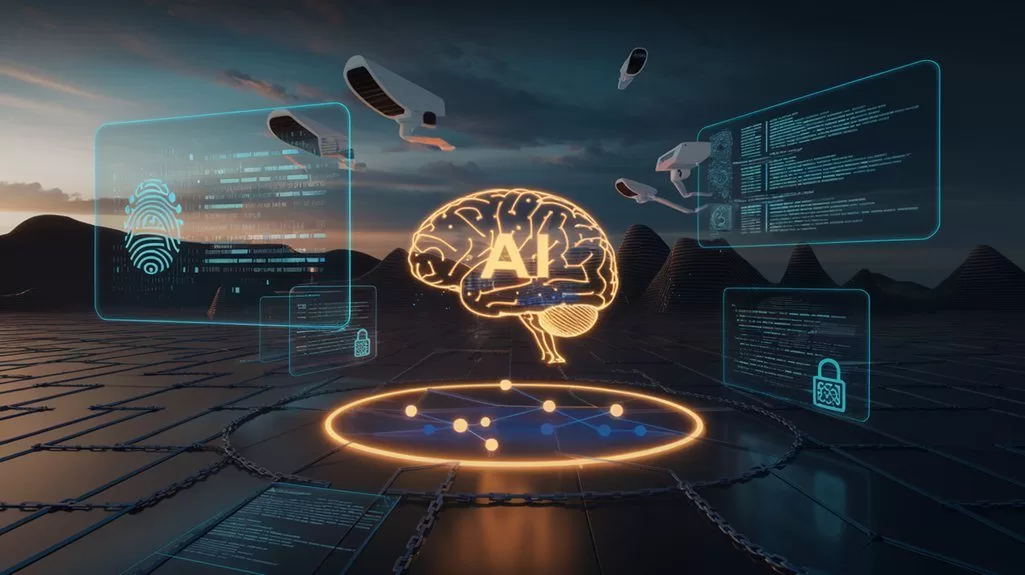
Technology monitoring tools are the unsung heroes of the IT world, tirelessly ensuring systems run smoothly while humans blissfully ignore their existence. These tools, however, aren't without flaws. They've evolved, incorporating AI and Machine Learning, supposedly to improve efficiency. But let's be honest. AI's not infallible. Its limitations pop up like unwanted notifications. Real-time analysis? A buzzword. Often, the systems fail to detect issues before they escalate. It's like having a hyper-vigilant guard dog that occasionally misses the intruder. Advanced algorithms and machine learning can significantly improve threat detection and response, but even these enhanced tools can sometimes lag behind rapidly evolving threats.
AI in tech monitoring is like a vigilant guard dog that sometimes misses the intruder.
Modern monitoring tools boast full-stack monitoring. A holistic view of IT infrastructure sounds great, right? Yet, the reality isn't always as seamless as advertised. Integration with other systems is essential. But, as anyone who's tried to plug in a supposedly "universal" charger knows, compatibility isn't guaranteed. These tools should coordinate effortlessly with IT environments. Instead, they sometimes resemble a jigsaw puzzle with a few pieces that just won't fit. Infrastructure monitoring utilizes specialized software to collect data from various components, ensuring that system stability and performance are maintained. Gen 3 monitoring tools, like Dynatrace Full Stack Monitoring, provide comprehensive oversight and automate tasks like root cause analysis to enhance problem detection and resolution.
The first-generation tools were basic. They sent alerts and tracked performance metrics without real-time analysis. Reactive, not proactive. Second-generation tools were a little better, offering post-issue reports. But, is after-the-fact really enough? Enter the third-generation tools, the so-called saviors with AI at their core. They promise proactive issue detection and resolution. Yet, even they can't always prevent significant impacts on users. AI limitations rear their ugly heads, and downtime still happens.
Features like real-time monitoring and AI-powered insights are supposed to reduce manual intervention. But let's not kid ourselves. Automation isn't a cure-all. Even the best tools sometimes require a human touch. Root cause analysis and customizable alerting sound impressive. But if the insights come too late, what's the point? It's like closing the barn door after the horse has bolted.
Popular tools like SolarWinds Observability, New Relic, Dynatrace, Datadog, and Zabbix promise the world. They offer flexibility, end-to-end visibility, and seamless integration. Yet, they aren't foolproof. They enhance system availability and performance, sure. But perfection? Far from it. Scalability and adaptability are their selling points. But in a constantly evolving IT ecosystem, even these tools occasionally lag behind.
In the end, technology monitoring tools are significant, yet flawed. They endeavor to stay ahead of modern demands, but sometimes fall short. They provide real-time analysis, but AI limitations persist. They're heroes, albeit imperfect ones. As they continue their silent vigil, one thing remains clear: even the best tools need a little human touch.
References
- https://www.dnsstuff.com/infrastructure-monitoring-tools
- https://emotrab.ufba.br/wp-content/uploads/2020/09/Saldana-2013-TheCodingManualforQualitativeResearchers.pdf
- https://www.centraldatatech.com/blog-news/heres-what-you-need-to-know-about-monitoring-tools/
- https://sc-drcds.osti.gov/-/media/sbir/pdf/funding/2025/2025-Phase-I-Release-2-Topics-V8-01-14-2025.pdf
- https://www.onpage.com/8-best-it-monitoring-tools-and-software-of-2024/