


SAFECOM and the National Council of Statewide Interoperability Coordinators (NCSWIC) have developed a detailed guide for integrating Global Positioning System (GPS) technology into public safety location services. The guide outlines use cases and best practices to enhance situational awareness and emergency response capabilities. It highlights the integration of GPS with Project 25 (P25) land mobile radio (LMR) systems, enabling real-time location tracking for first responders and improving response times during disasters. The guide also addresses Tier 1 and Tier 2 GPS services, emphasizing their respective capabilities and limitations. By following these guidelines, public safety agencies can optimize their use of GPS technology to improve coordination, safety, and overall response efficiency, ensuring more effective crisis management and better outcomes for emergencies. For a deeper understanding of these strategies and their implementation, further exploration of the guidelines is recommended.
Key Takeaways
- Real-Time Location Tracking: GPS integration with LMR systems provides real-time positional information, enhancing situational awareness and response capabilities for first responders.
- Advanced Use Cases: The white paper includes case studies on GPS use in public safety, such as wildfire mapping, emergency dispatch, and tactical missions.
- Tier 1 and Tier 2 GPS Services: GPS services are categorized into Tier 1 for basic location tracking and Tier 2 for advanced network use with higher accuracy and data sharing.
- Enhanced Safety and Accountability: GPS integration improves safety, accountability, and coordination among emergency responders despite considerations for signal obstruction and privacy.
- System Compatibility and Security: Effective GPS integration requires alignment with P25 Location Services standards, secure data transmission measures, and evaluation of equipment compatibility.
GPS Basics for Public Safety
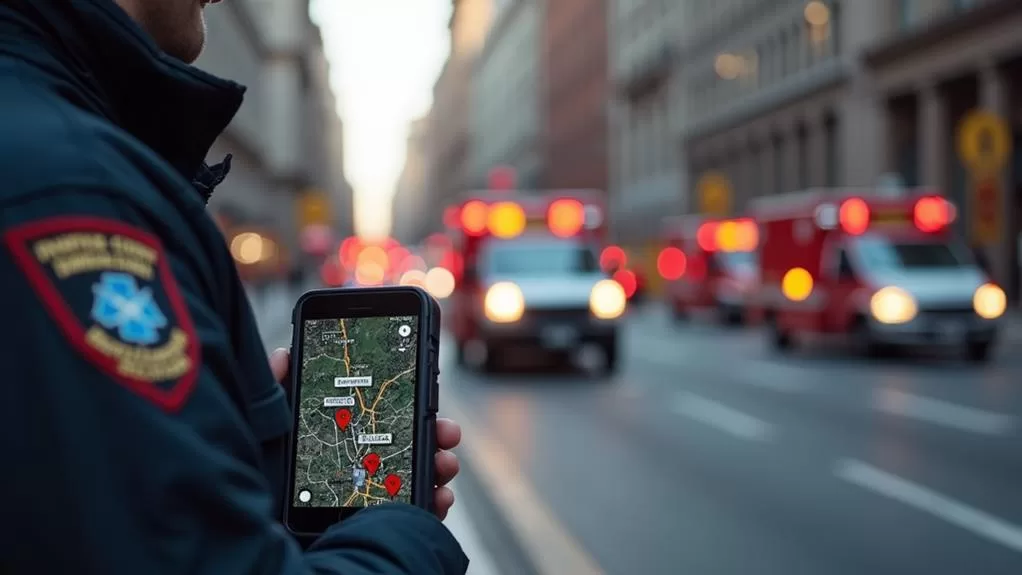
In the field of public safety, Global Positioning System (GPS) technology plays an essential role in enhancing situational awareness and response capabilities. GPS technology integrates seamlessly with Land Mobile Radio (LMR) systems to provide vital location data, enabling first responders to navigate effectively and respond to emergencies with greater precision. The safety benefits of GPS are multifaceted, including real-time location tracking, which increases safety and accountability for emergency responders. This technology also facilitates better coordination during planned activities and supports interoperability among different agencies, ensuring a unified response to various scenarios. Additionally, optional GPS integration in technologies like RAK LoRa Modules enhances accuracy and operational efficiency through precise location tracking of assets.
However, implementation challenges exist, such as signal obstruction by buildings or natural structures, reduced battery life, and potential privacy concerns. Real-world applications, like those in the United States Department of Interior and Montgomery County, Texas, demonstrate the effectiveness of GPS in enhancing situational awareness and emergency response.
Interoperability considerations are vital, requiring the evaluation of system compatibility with Tier 1 or Tier 2 GPS services and ensuring the secure transmission of GPS data. By addressing these considerations, public safety agencies can fully leverage GPS technology to optimize their operations and response strategies.
LMR Systems Overview
Land Mobile Radio (LMR) systems are terrestrial communication networks that play a pivotal role in public safety communications, complementing the capabilities of Global Positioning System (GPS) technology. These systems include portable radios, mobile radios, base stations, and repeaters, which are essential for emergency responders to communicate effectively during critical situations. LMR system advancements have greatly enhanced public safety operations by providing reliable and clear communication channels, thereby mitigating some of the public safety challenges, such as poor communication in isolated or disaster-stricken areas.
The integration of GPS technology with LMR systems further amplifies the benefits of both technologies. GPS provides real-time location tracking, which increases safety and accountability among first responders, while LMR systems ensure seamless communication. This synergy has been demonstrated in real-world applications, such as in the United States Department of Interior, where handheld GPS devices and satellite communicators are used for situational awareness. Similarly, Montgomery County, Texas, and the Iowa Department of Public Safety have successfully integrated GPS with their LMR systems to enhance emergency response capabilities.
AI-powered vehicle recognition and surveillance can revolutionize how public safety agencies manage fleet security and monitor real-time notifications. Effective GPS integration strategies involve evaluating system compatibility, evaluating existing equipment, guaranteeing interoperability, and planning thorough integration and testing to meet operational needs.
Public Safety GPS Marketplace

The public safety GPS marketplace has evolved greatly since the introduction of the P25 Location Services standards in 2009, which defined Tier 1 and Tier 2 GPS capabilities. These standards have greatly improved the accuracy and reliability of location services for emergency responders.
GPS Capabilities Comparison
| Feature | Tier 1 | Tier 2 |
|---|---|---|
| Data Sharing | Basic GPS data sharing without IP addressing | Complex network routing with IP addressing |
| Network Use | Simple network use, often suitable for basic needs | Advanced network use, suitable for complex scenarios |
| Applications | Suitable for basic location tracking | Suitable for real-time situational awareness and geofencing |
Public Safety Benefits and Considerations
The integration of GPS into public safety communications offers numerous benefits, including real-time location tracking, increased safety, and enhanced situational awareness. However, factors such as signal obstruction by buildings or natural structures and potential privacy concerns must also be taken into account.
When integrating GPS into public safety systems, it is important to evaluate system compatibility with Tier 1 or Tier 2 GPS services, assess existing equipment, and ensure interoperability of mapping software and secure data transmission. Proper planning and testing are crucial to meet operational needs and interoperability requirements, thereby maximizing the public safety benefits of GPS applications.
Tier 1 GPS Services
Tier 1 GPS services are frequently employed in public safety communications for basic location tracking needs. These services offer straightforward GPS data sharing without the complexity of IP addressing, making them suitable for simple yet vital applications. The primary benefits of Tier 1 GPS services include real-time location tracking, which enhances situational awareness and safety for first responders. This capability is particularly valuable in emergency scenarios where precise and immediate location data can be life-saving. Additionally, integrating high-precision location data with IoT projects can further enhance the effectiveness of these GPS services.
However, Tier 1 GPS services also come with limitations. Signal obstruction by buildings or natural structures and reduced battery life of GPS-enabled devices are significant concerns. Furthermore, potential privacy issues need to be addressed.
In real-world applications, Tier 1 GPS services have been successfully integrated into various public safety systems. For example, the United States Department of Interior uses handheld GPS devices for situational awareness, and Montgomery County, Texas, employs GPS for tracking during emergencies.
When considering the integration of Tier 1 GPS services, it is essential to evaluate system compatibility and verify that existing equipment supports GPS capabilities. This involves appraising the need for peripheral devices and ensuring interoperability with mapping software and secure data transmission protocols. Proper planning and testing are vital to effectively meeting operational needs and interoperability requirements.
Tier 2 GPS Services
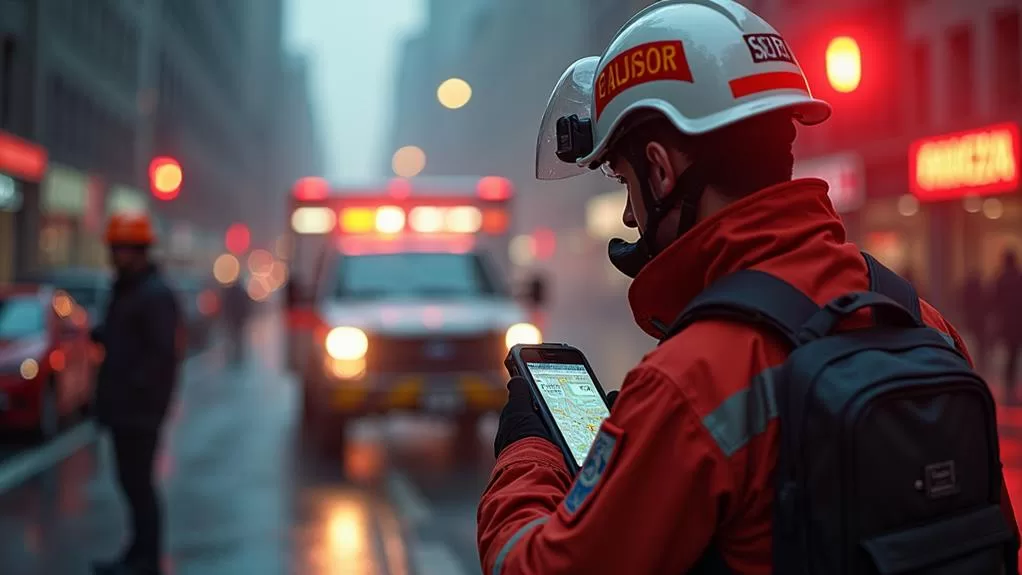
In public safety communications, Tier 2 GPS services offer a more advanced level of location tracking and data sharing compared to Tier 1 services. This tier involves complex network routing, enabling more precise and trustworthy location services. Tier 2 GPS services provide enhanced accuracy, which is essential for emergency responders who need to pinpoint exact locations quickly and efficiently.
One key benefit of Tier 2 GPS services is their ability to handle intricate network routing. This capability guarantees that location data is transmitted effectively, even in complex communication environments, thereby enhancing situational awareness and response times.
However, this advanced level of service also raises concerns, such as privacy issues, as more detailed location data is shared across networks. Additionally, the increased complexity of Tier 2 services can impact battery life, as devices may consume more power to maintain these advanced connections.
To effectively implement Tier 2 GPS services, public safety agencies must assess system compatibility to guarantee seamless integration with existing communication systems. This includes evaluating the compatibility of mapping software and ensuring secure GPS data transmission to prevent potential security breaches and maintain operational efficiency.
Benefits of GPS Tracking
GPS tracking in public safety enhances situational awareness and response times, providing numerous benefits that directly impact the safety and effectiveness of emergency operations. This technology allows for real-time location tracking, which is vital for coordinating responses during emergencies. Here are some key benefits of GPS tracking in public safety:
- Improved Location Accuracy: GPS integration with LMR and LTE systems enhances location accuracy, enabling first responders to pinpoint their positions and those of their team members with greater precision.
- Enhanced Safety: By providing continuous location data, GPS tracking increases the safety of first responders, particularly in challenging environments where visibility is reduced, or signal obstruction by buildings or natural structures may occur.
- Better Accountability: GPS tracking fosters accountability, as it allows for the monitoring of response times and personnel movements, which can be critical in emergency situations. It also addresses potential privacy concerns by ensuring data transmission is secure.
Despite benefits like increased location accuracy, considerations such as system compatibility, battery life, and signal obstruction must be addressed to guarantee seamless operation.
Guaranteeing system compatibility is essential for effective GPS integration while managing battery life and mitigating signal obstruction is essential for maintaining ongoing performance.
Limitations of GPS Use
Several limitations exist when using Global Positioning System (GPS) technology in public safety contexts, which must be carefully considered to achieve the best performance. One major limitation is signal obstruction, where buildings or natural structures can interfere with GPS signals, reducing accuracy and reliability. Another crucial issue is battery life, as continuous GPS tracking can rapidly deplete device batteries, particularly in high-usage scenarios.
Limitations of GPS Use in Public Safety
| Limitation | Description |
|---|---|
| Signal Obstruction | Interference from buildings or natural structures reduces GPS signal accuracy. |
| Battery Life | Continuous GPS tracking can quickly drain battery life, impacting device usability. |
| Privacy Concerns | Tracking individuals raises concerns about personal privacy and data security. |
| System Compatibility | Ensuring GPS systems are compatible with existing communication networks is essential. |
| Equipment Assessment | Evaluating existing equipment for GPS capability and the potential need for peripheral devices is vital. |
In addition to these technological challenges, privacy concerns must be addressed, as GPS tracking involves the collection and storage of sensitive location data. Ensuring system compatibility and conducting thorough equipment assessments are also essential steps to overcome these limitations and maximize the effectiveness of GPS in public safety contexts.
Real-World Implementation Examples
Various real-world implementations have effectively demonstrated the integration of Global Positioning System (GPS) technology into public safety communications. These practical examples highlight the benefits and operational considerations of GPS integration, showcasing success stories and addressing implementation challenges.
- United States Department of Interior (DOI): The DOI utilizes GPS for situational awareness, employing handheld GPS devices and satellite communicators to enhance emergency response capabilities.
- Montgomery County, Texas: This county has successfully integrated GPS for tracking during emergencies and plans to fully incorporate GPS into their Computer-Aided Dispatch (CAD) systems, improving response times and resource allocation.
- Los Angeles County Fire Department: The department leverages GPS for situational awareness and geofencing, integrating GPS with Land Mobile Radio (LMR) and Long-Term Evolution (LTE) systems to ensure precise and timely communication.
These real-world applications underscore the importance of GPS in public safety, providing valuable insights into operational considerations such as system compatibility, interoperability, and data security. By examining these success stories, public safety agencies can better grasp the challenges and benefits associated with implementing GPS technology, ultimately enhancing their response capabilities and guaranteeing better outcomes in emergency situations.
DOI GPS Integration

Public safety agencies, such as the United States Department of Interior (DOI), have successfully integrated Global Positioning System (GPS) technology to enhance their emergency response capabilities. The DOI’s implementation of GPS technology has greatly improved situational awareness and safety for its responders. By integrating GPS into their operations, the DOI can now utilize handheld GPS devices and satellite communicators to track the location of personnel and assets in real time.
This integration of GPS technology into the DOI’s system has been vital for safety enhancement, particularly in remote or challenging environments where traditional communication methods may be unreliable. The GPS location services enable more precise tracking and coordination, which are crucial for effective emergency response. The system integration has been tailored to meet the operational needs of the DOI, ensuring seamless communication and navigation during critical situations.
The DOI’s approach to GPS integration emphasizes compatibility with existing equipment and guarantees interoperability with other communication systems. This ensures that the GPS technology complements rather than complicates the existing infrastructure, thereby enhancing overall operational effectiveness.
The successful integration of GPS by the DOI serves as a model for other public safety agencies seeking to improve their emergency response capabilities through advanced location services.
Montgomery County, Texas Use Case
Montgomery County, Texas, has utilized Global Positioning System (GPS) technology to enhance its emergency response capabilities greatly. This integration has notably improved the county’s ability to track and locate first responders during emergencies, ensuring enhanced safety and operational efficiency.
Key Aspects of Montgomery County’s GPS Implementation
- Emergency Response: GPS technology has been integrated into emergency response systems to provide real-time location tracking of first responders, which is crucial for effective and timely emergency response.
- Tracking Technology: The county uses advanced tracking technology to monitor the movements of emergency vehicles and personnel, enhancing situational awareness and allowing for better resource allocation.
- CAD Integration: Plans are underway to fully integrate GPS into the county’s Computer-Aided Dispatch (CAD) systems. This will further streamline operations and meet operational needs by providing thorough location services.
Iowa Department of Public Safety Integration
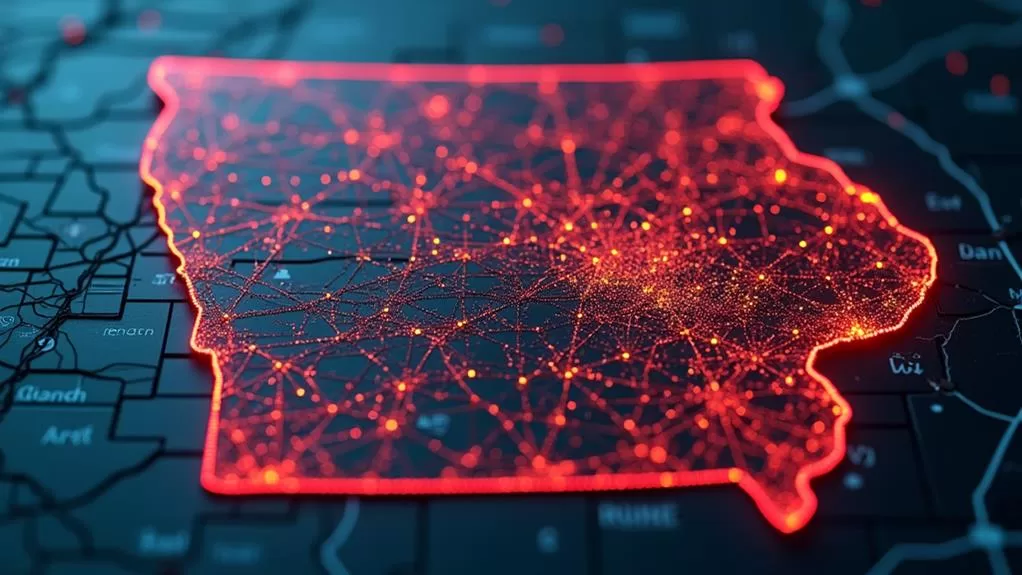
The Iowa Department of Public Safety has successfully integrated Global Positioning System (GPS) technology with its Long-Term Evolution (LTE) networks, greatly enhancing location accuracy and overall emergency response efficiency. This network integration has been essential in guaranteeing that first responders have real-time, precise location data, which is vital for effective emergency operations.
The integration of GPS with LTE networks has notably enhanced location accuracy, allowing for better situational awareness and more targeted responses. This improved accuracy is particularly valuable in emergency scenarios where every moment counts. Additionally, the department has incorporated geofencing technology, enabling it to create virtual boundaries that trigger alerts and actions when responders enter specific areas.
To meet operational needs, the Iowa Department of Public Safety has carefully evaluated and planned the integration to ensure smooth coordination between GPS and LTE systems. This approach has optimized the use of GPS technology, enhancing the department’s ability to respond effectively to emergencies while maintaining the highest standards of public safety.
Los Angeles County Fire Department Example
The Los Angeles County Fire Department has implemented an all-encompassing integration of Global Positioning System (GPS) technology, greatly enhancing situational awareness and response capabilities during emergency operations. This integration involves the use of GPS with Land Mobile Radio (LMR) and Long-Term Evolution (LTE) systems to ensure seamless communication and accurate location tracking.
Key aspects of this integration include:
- Geofencing benefits: The department utilizes geofencing to define specific areas of operation, enabling more targeted and efficient response strategies.
- GPS privacy concerns: While GPS enhances safety, it also raises privacy concerns. The department guarantees that GPS data transmission is secure and handled in accordance with privacy regulations.
- Signal obstruction solutions: To mitigate signal obstruction by buildings or natural structures, the department has implemented supplementary communication systems and regular maintenance checks to ensure top-notch GPS performance.
Additionally, the integration addresses battery life optimization by selecting devices with extended battery life and employing battery-saving strategies.
Despite integration challenges, such as ensuring compatibility and interoperability of various systems, the Los Angeles County Fire Department’s GPS integration has notably improved response times and overall situational awareness. This model serves as a best practice for other public safety agencies looking to leverage GPS technology effectively.
System Compatibility Evaluation
Evaluating system compatibility is an important step in integrating Global Positioning System (GPS) technology into public safety communications. This process guarantees that the GPS capabilities align with the existing infrastructure of the Land Mobile Radio (LMR) systems, which are essential for emergency responders.
A thorough system evaluation involves appraising whether the system can accommodate Tier 1 or Tier 2 GPS services, as defined by the P25 Location Services standards.
A compatibility evaluation also includes inspecting the current equipment for GPS capability and determining if any peripheral devices are needed to support full integration. Best practices dictate that the mapping software and GPS data transmission protocols must be interoperable to facilitate seamless communication among different agencies.
Ensuring secure GPS data transmission is crucial, as it protects sensitive location information from unauthorized access.
Existing Equipment Assessment
Evaluating the existing equipment for GPS capability is a vital step in the integration process, as it determines the feasibility and extent of GPS implementation within the current infrastructure. This assessment helps in identifying whether the existing equipment is compatible with the desired GPS services, such as Tier 1 or Tier 2, and whether any additional peripheral devices are necessary.
To secure a smooth integration, the following points must be considered:
- Equipment Compatibility: Verify that the current equipment supports GPS services and aligns with the chosen GPS tier. This includes checking the specifications of radios, base stations, and other communication devices.
- Data Protection: Confirm that the existing equipment can securely transmit and store GPS data, safeguarding it from unauthorized access and potential breaches.
- Operational Testing: Conduct thorough operational testing to verify that the GPS functionality works seamlessly with the existing systems, ensuring interoperability and no disruptions to critical communication operations.
Additionally, interoperability assessment is essential to confirm that the GPS integration does not interfere with other systems or devices used by emergency responders. This involves verifying that mapping software and other tools are compatible with the new GPS capabilities. By carefully evaluating existing equipment, public safety organizations can guarantee effective and secure GPS implementation.
Interoperability of Mapping Software

Securing the compatibility of mapping software is a key step in the successful integration of GPS into public safety communication systems. This involves evaluating the suitability of various mapping software with the GPS system to guarantee seamless data exchange and visualization. Mapping software compatibility is vital as it directly impacts the accuracy and reliability of location services, which are crucial for first responders during emergency situations.
Data protection measures must also be integrated into the mapping software to safeguard sensitive information. This includes encryption, secure data transmission protocols, and access controls to prevent unauthorized access. System integration testing is essential to verify that the GPS data is correctly interpreted and displayed by the mapping software, ensuring operational compatibility.
An operational compatibility evaluation helps identify any potential issues or gaps in the system, allowing for necessary adjustments before deployment. This step ensures that the integrated GPS and mapping software enhance safety coordination by providing accurate and real-time location information, facilitating better decision-making and response times during emergency operations.
Secure GPS Data Transmission
Secure GPS data transmission is necessary for maintaining the integrity and confidentiality of location information in public safety communication systems. Guaranteeing the security of GPS data is vital to prevent unauthorized access and potential misuse.
To achieve secure GPS data transmission, several key measures must be implemented:
- Data Encryption: Encrypting GPS data in transit and at rest protects it from interception and unauthorized access. This guarantees that even if the data is compromised, it cannot be deciphered without the appropriate decryption keys.
- Network Security: Robust network security protocols must be in place to safeguard the transmission channels. This includes firewalls, intrusion detection systems, and secure communication protocols to prevent hacking and eavesdropping.
- Authentication Methods: Implementing strong authentication methods, such as two-factor authentication, ensures that only authorized personnel can access and manipulate GPS data, thereby reducing the risk of data tampering and misuse.
Additionally, addressing privacy concerns is essential to ensure that the collection and use of GPS data comply with relevant regulations and ethical standards.
Maintaining data integrity through regular audits and checks further guarantees the reliability and accuracy of the GPS data. By focusing on these aspects, public safety agencies can ensure that their GPS systems operate securely and effectively.
Integration and Testing Plans
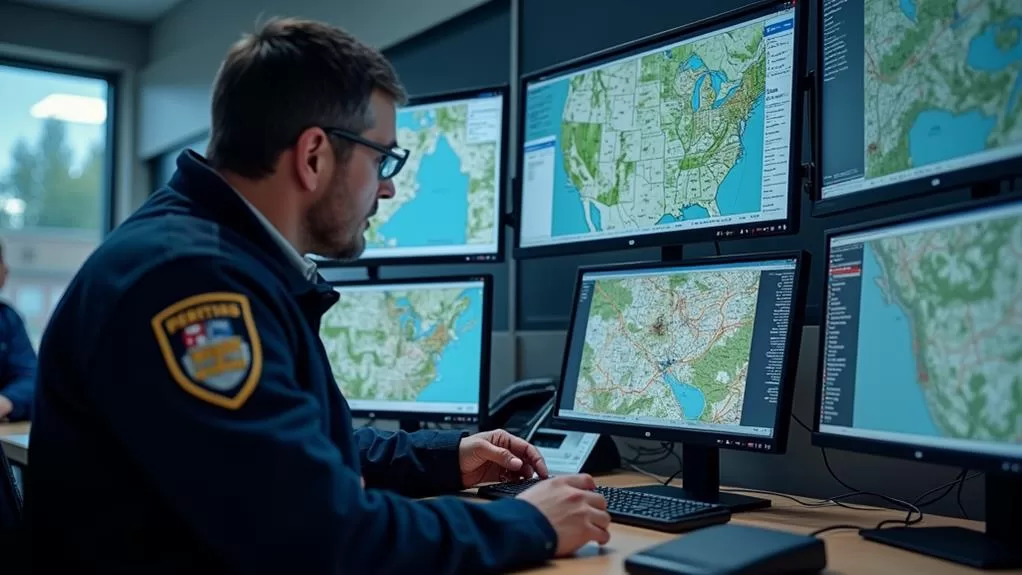
Effective integration and testing of GPS systems into public safety communications networks are vital for peak performance and reliability. Integration planning involves a thorough assessment of the existing infrastructure to guarantee compatibility with GPS services, such as Tier 1 and Tier 2, and evaluating the need for additional peripheral devices. This planning phase also necessitates identifying operational needs and interoperability requirements among different agencies and systems.
Testing strategies should be inclusive, including simulations and real-world exercises to validate the GPS system’s functionality under various conditions. These tests help uncover implementation challenges, such as signal obstructions and battery life issues, allowing for timely adjustments. Guaranteeing the interoperability of mapping software and secure GPS data transmission is also crucial during the testing process.
Operational needs dictate the scope and frequency of testing, ensuring that GPS integration aligns with the specific requirements of public safety operations. By meticulously planning and executing these integration and testing plans, public safety organizations can ensure that their GPS systems are reliable, efficient, and fully integrated into their communication networks, enhancing situational awareness and overall safety for responders. This approach guarantees seamless operation and maximizes the benefits of GPS technology in emergency scenarios.
Enhancing Situational Awareness
Enhancing situational awareness is an essential goal in public safety communications, and the integration of Global Positioning System (GPS) technology plays a pivotal role in achieving this objective. GPS integration into Land Mobile Radio (LMR) systems greatly improves first responders’ ability to understand their surroundings in real-time, thereby enhancing response times and overall safety.
- Real-time Location Tracking: GPS provides precise and continuous location data, allowing emergency responders to pinpoint their positions and those of their team members. This real-time tracking is vital for effective coordination and decision-making during emergencies.
- Training Programs: Effective integration of GPS into public safety operations requires thorough training programs. These programs ensure that responders are skilled at using GPS technology, enhancing situational awareness and improving response strategies.
- Government-Private Sector Collaboration: Global collaboration between government agencies and private sector entities is necessary for the seamless integration of GPS technology. This partnership tradition fosters the exchange of best practices and innovative solutions, ultimately strengthening public safety communication systems.
The synergy between GPS and LMR systems supports better situational awareness, especially during complex emergency scenarios. This integration is a fundamental component of security training, emphasizing the importance of accurate location services in enhancing response capabilities and guaranteeing public safety.
Improving Coordination and Safety

The integration of Global Positioning System (GPS) technology into Land Mobile Radio (LMR) systems greatly enhances the coordination and safety of public safety operations. This integration allows for real-time location tracking, which is vital for situational awareness during emergency responses. By accurately pinpointing the locations of first responders, GPS enables more effective safety coordination, guaranteeing that resources are allocated efficiently and that responders can be quickly directed to areas of need.
The benefits of GPS in public safety are multifaceted. It enhances the ability to track personnel and vehicles, thereby improving response times and overall operational safety.
However, successful implementation requires careful consideration of system compatibility to ensure that GPS data can be seamlessly integrated with existing LMR systems. This includes evaluating whether the system supports Tier 1 or Tier 2 GPS services and confirming that data transmission is secure and reliable.
Effective GPS integration also involves evaluating the compatibility of peripheral devices and ensuring interoperability with mapping software. By addressing these technical aspects, public safety agencies can utilize GPS to maximize safety coordination, ultimately leading to more effective and coordinated emergency responses.
Best Practices for GPS Integration
Integrating Global Positioning System (GPS) technology into Land Mobile Radio (LMR) systems demands a detailed approach to guarantee smooth functionality and maximum benefit. Effective integration strategies are vital to guarantee that GPS enhances situational awareness and safety for first responders.
To achieve ideal GPS integration, consider the following best practices:
- Evaluate System Compatibility: Determine the type of GPS service the system can accommodate, such as Tier 1 or Tier 2 GPS services, to guarantee compatibility with existing infrastructure.
- Assess Operational Considerations: Assess existing equipment for GPS capability and consider peripheral devices if needed. Ensure interoperability of mapping software and secure GPS data transmission.
- Maximize Location Accuracy and Data Sharing: Integrate GPS with LTE networks to enhance location accuracy. Guarantee that GPS data is shared accurately across different agencies to improve interagency coordination.
These best practices help ensure that GPS integration enhances operational efficiency, improves location accuracy, and facilitates smooth data sharing among public safety agencies. This ultimately supports better interagency coordination during emergency scenarios. By focusing on these aspects, public safety organizations can maximize the benefits of GPS technology in their LMR systems.
Frequently Asked Questions
How Do GPS Signals Impact Battery Life in Portable Emergency Devices?
GPS signals in portable emergency devices can reduce battery life due to increased power consumption, particularly when maintaining strong signal strength for location accuracy. Battery optimization is essential to balance power needs and guarantee reliable emergency response operations.
What Are the Privacy Implications of GPS Tracking for Emergency Responders?
The use of GPS tracking for emergency responders raises privacy concerns. It necessitates robust data security measures, careful consideration of legal implications, and adherence to ethical standards, all of which require explicit user consent to mitigate potential issues.
Can GPS Systems Be Integrated With Other Sensors for Enhanced Situational Awareness?
GPS systems can be integrated with other sensors to enhance situational awareness through sensor fusion, leveraging technology synergy to improve accuracy. This integration benefits emergency responders by providing thorough, real-time data for informed decision-making.
How Often Should GPS Systems Be Tested for Optimal Functionality?
GPS systems should be tested periodically to maximize functionality. Factors such as testing frequency, battery impact, privacy concerns, and sensor integration should be considered, and implementation costs should be evaluated to maintain system integrity and efficiency.
What Are the Costs Associated With Implementing GPS in Public Safety Systems?
Implementing GPS in public safety systems involves a thorough cost analysis, addressing implementation challenges, securing funding sources, enhancing operational efficiency, and providing user training to guarantee effective integration and peak use.
Final Thoughts
The integration of GPS technology into public safety communications has greatly enhanced situational awareness and response efficiency. Through seamless integration into LMR systems, particularly within the P25 framework, GPS provides precise location tracking and real-time data sharing, improving coordination among public safety agencies. This synergy has been instrumental in life-saving scenarios, streamlining emergency responses and critical location services. Successful implementation hinges on careful planning, testing, and adherence to best practices, ensuring the best performance and safety in public safety operations.
Download the full Safecom and NCSWIC use cases and best practices whitepaper.
Top 5 Credible Outbound Links for GPS and Public Safety Best Practices
- Federal Communications Commission (FCC) – Public Safety and Homeland Security
Link: https://www.fcc.gov/public-safety-homeland-security
This provides official guidelines and resources related to public safety communications. - National Institute of Standards and Technology (NIST) – GPS and Public Safety
Link: https://www.nist.gov/topics/gps
A reliable source for technical guidelines and advancements in GPS technology. - Department of Homeland Security (DHS) – Emergency Communications
Link: https://www.dhs.gov/emergency-communications
Offers comprehensive information about emergency communication systems and initiatives. - National Public Safety Telecommunications Council (NPSTC)
Link: https://www.npstc.org
A collaborative resource for public safety telecommunications and GPS-related standards. - International Association of Chiefs of Police (IACP) – Technology Resources
Link: https://www.theiacp.org/technology
A leading global resource for law enforcement technology, including GPS best practices for public safety.







1 comment
Comments are closed.