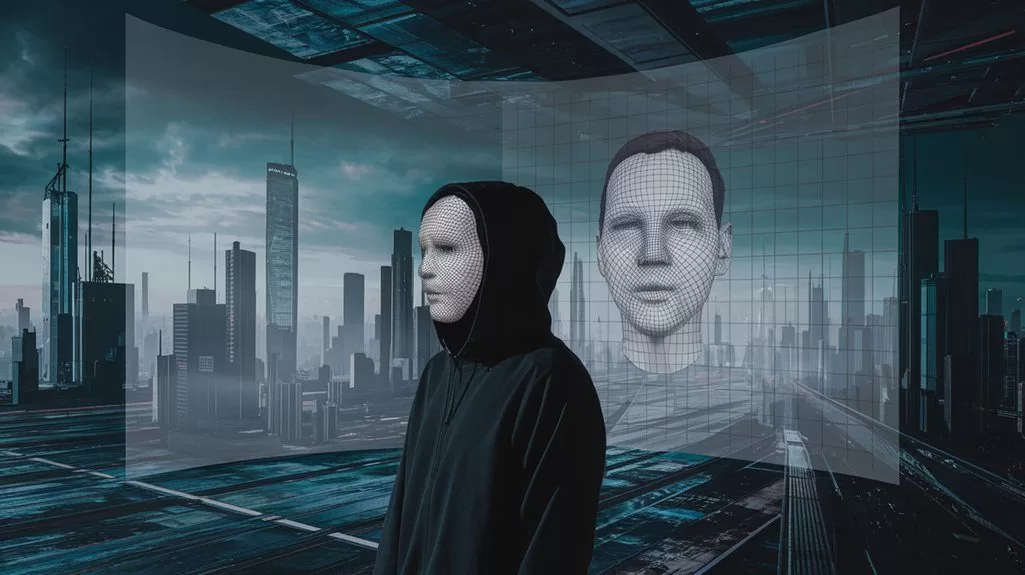


Russia's splash of over $1 billion into video surveillance raises eyebrows. Are they racing towards total state oversight? Critics whisper "police state." Privacy, what privacy? Over 200,000 cameras in Moscow alone, yet most lack facial recognition. State control? Optional. Economic hurdles? Navigated. Ethical dilemmas? Check. More cameras, more control. Sanctioned tech providers raise more than a few ethical questions. Necessary security or eerie oversight? Plunge into the labyrinth of Russia's surveillance saga, the story isn't over.
Key Takeaways
- Russia invests $1.4 billion in surveillance, emphasizing state control over societal activities.
- Over 200,000 cameras installed in Moscow, expanding surveillance infrastructure significantly.
- Majority of cameras lack facial recognition, yet still enhance monitoring capabilities.
- Surveillance technology assists in COVID-19 compliance and controlling dissent, raising ethical concerns.
- Economic challenges do not deter Russia's commitment to expanding surveillance initiatives.
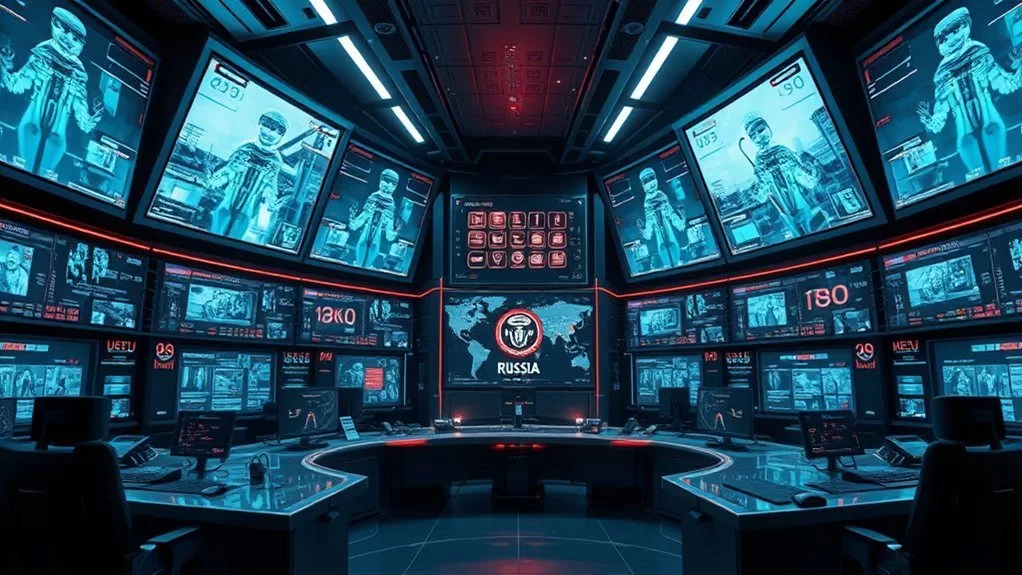
In a bold move reminiscent of a dystopian novel, Russia has ramped up its video surveillance game with a staggering 130.1 billion rubles investment—about $1.4 billion if you prefer your numbers in dollars. This hefty sum signifies not just a casual upgrade but a serious commitment to state control through surveillance technology. The majority of these newly installed cameras, however, sidestep the complex facial recognition technology—possibly dodging the high technical demands. Yet, in major cities like Moscow, where over 200,000 cameras keep a watchful eye, facial recognition is very much alive and kicking. State agencies increased their purchase of these systems by 20% from the previous year. State-owned companies did not just follow suit; they went overboard with a boost of over 130%. Rostelecom, a key player in this surveillance saga, installed more than 414,000 cameras in just the first three quarters of 2024. The "Safe Region" project in Volgograd, courtesy of Rostelecom's major contracts, is a prime example of this sweeping rollout. Meanwhile, Russian Railways is all aboard with a security monitoring contract worth 21 billion rubles. Over 414,000 video surveillance cameras were installed by Rostelecom in the first three quarters of 2024, highlighting the significant role of state-owned enterprises in surveillance infrastructure. Facial recognition technology, while enhancing security measures, also raises ethical considerations around privacy and consent. Detractors might call it a police state gone wild. Supporters could argue it's a necessary evil for maintaining order. In truth, the surveillance system does help enforce COVID-19 restrictions, identifying quarantine violators. But it also serves a more sinister purpose: targeting dissenters. Facial recognition technology has been used to identify and detain protesters, especially following high-profile events like Alexei Navalny's arrest. A preventive measure? Perhaps. Intimidation? Absolutely. Technological providers like NTechLab and Tevian are behind the curtain, supplying the necessary facial recognition technology. Not without controversy, these companies face EU sanctions for alleged human rights abuses. Sanctions, however, haven't cut the data flow, thanks to international sources feeding the beast. The economic backdrop is bleak. Russia's financial woes, exacerbated by the costly Ukraine war, force the government to tighten its belt. Inflation, social program cuts, and a stagnant industrial sector paint a grim picture. Yet, the state pushes forward with its surveillance ambitions. The Mueller report has shown how significant surveillance can be in uncovering connections and potential interference, drawing parallels to the scrutiny Russia now places on its own citizens.
Final Thoughts
Russia's $1 billion investment in video surveillance is a game-changer. On one hand, it's a technological leap, bolstering security and efficiency. On the other, it raises eyebrows about privacy. Big Brother vibes, anyone? The sheer scale is impressive, yet intimidating. Citizens may feel safer—or more scrutinized. Cameras everywhere. The line between protection and intrusion blurs. For some, it's a step toward security; for others, control. In any case, it's a bold, controversial move.
References
- https://www.biometricupdate.com/202502/russia-spends-1b-on-video-surveillance-purchases
- https://www.metafilter.com/179583/His-deceit-which-is-a-fundamental-component-of-the-crimes
- https://www.thebureauinvestigates.com/stories/2024-03-27/online-gig-work-is-feeding-russias-surveillance-machine
- ftp://ftp.sri.com/risks/illustrative.pdf
- https://www.youtube.com/watch?v=nQaoV7LLst0