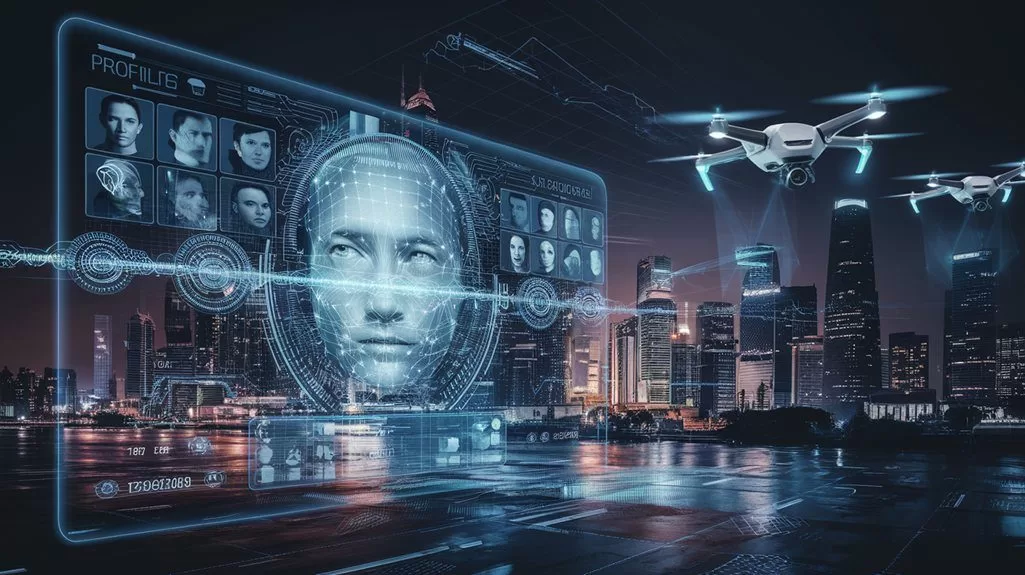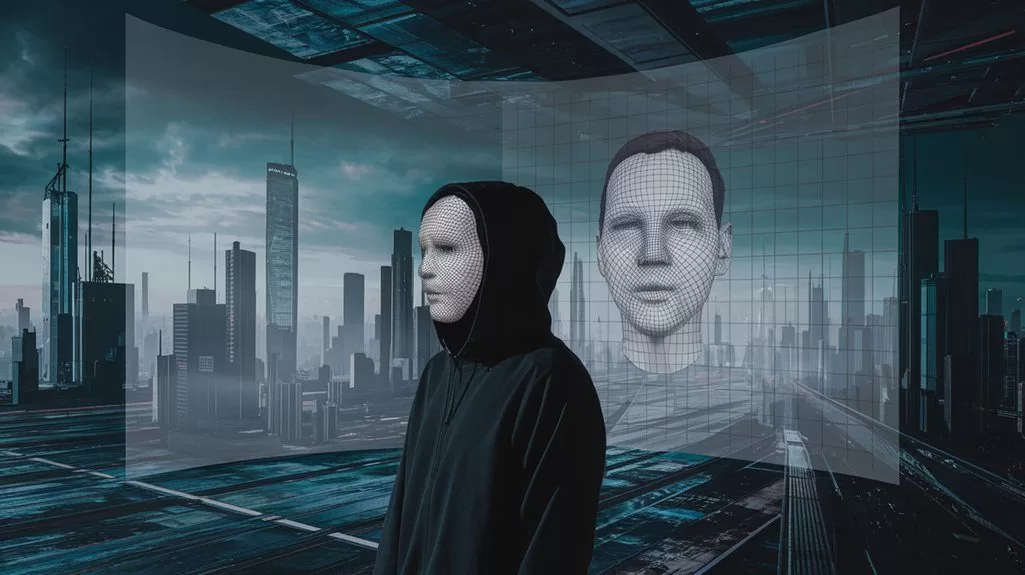


Allegations swirl about AI dampening free speech under Biden. The crux? Supposed pressure on AI developers to stifle dissent. The Alliance Defending Freedom raises alarm bells. But, oh the irony, previous governments did much the same. From a legal standpoint, AI, like a chatty teenager, may get voice and shade. First Amendment debates are sticky, especially when machines speak. So is AI really muzzling voices? Curious? There's more to uncover.
Key Takeaways
- Allegations suggest the Biden administration is pressuring AI developers to suppress certain viewpoints, potentially impacting free speech.
- A Freedom of Information Act request seeks to uncover government influence on AI content moderation policies.
- AI regulation bills focus on misinformation management, raising concerns about First Amendment rights and free speech.
- The potential for government influence on AI systems raises significant implications for free speech under the First Amendment.
- Counterspeech is proposed as an alternative to AI regulation, trusting citizens to address misinformation independently.

Is artificial intelligence really muzzling free speech, or is that just another paranoid fantasy? As AI technologies advance, the debate around AI regulation and free speech rights intensifies. Some states have introduced over 80 bills aimed at AI regulation, focusing on misinformation management and speech moderation. These initiatives seek to curb AI-generated false political content, but they walk a tightrope. Such measures face potential First Amendment challenges, raising questions about government influence on free speech rights. Political speech is considered the most sacred form of speech under First Amendment rights, highlighting the delicate balance lawmakers must maintain.
The legal frameworks for AI speech regulation are still evolving, and they might have their day in court sooner rather than later. Some proposed measures, like mandatory labeling of AI content, aim to manage misinformation without trampling on free speech rights. But, can they really balance these complex dynamics? Editorial decisions embedded within AI systems might carry bias considerations that could influence the information landscape, yet these decisions are not direct government actions. So, who's really pulling the strings here?
There's an ongoing debate: should AI-generated content be shielded by the First Amendment? AI creators, making editorial decisions, might be protected, but does this extend to the AI itself? The U.S. Supreme Court has previously extended free speech protections to nonhuman entities—like corporations. The thought of extending these rights to AI is, well, contentious. Supporters argue it's a logical step; critics say it's a step too far.
Then there's the issue of government influence. The Alliance Defending Freedom is sniffing around, suggesting that the Biden administration might have pressed AI developers to suppress particular viewpoints. A Freedom of Information Act request aims to uncover whether government agencies have exerted pressure for speech moderation. Previous administrations have faced accusations of attempting to silence dissenting voices through AI policy. The potential implications for the First Amendment are, frankly, huge. ADF, a non-profit legal organization, focuses on protecting religious freedom and free speech, advocating for parental rights and the sanctity of life.
Some propose an alternative: counterspeech. This democratic solution suggests that rather than regulating AI-generated falsehoods, we should trust citizens to debunk misinformation. True, identifying and prosecuting millions of users spewing falsehoods is impractical. But, is counterspeech alone enough to maintain the integrity of our information ecosystem?
In the end, the marriage between AI and free speech is complex, fraught with challenges. While AI regulation aims to manage misinformation and protect public discourse, the balance between speech moderation and free speech rights remains precarious. It's a dance between bias considerations and democratic solutions, with no easy answers in sight.
Perhaps the real question isn't whether AI is silencing free speech but rather, how we navigate this brave new world.
References
- https://adflegal.org/press-release/adf-asks-commerce-dept-if-biden-admin-pressured-ai-developers-to-silence-conservative-viewpoints/
- https://cas.lehigh.edu/articles/ai-free-speech-future-democracy
- https://www.thefire.org/research-learn/artificial-intelligence-free-speech-and-first-amendment
- https://fordhamlawreview.org/wp-content/uploads/2022/12/Garvey_December.pdf
- https://www.tcd.ie/news_events/articles/2023/does-ai-have-a-right-to-free-speech-/