

Scientists are employing AI as digital archaeologists, cracking open ancient scrolls long deemed impregnable. These charred relics, with insights into past lives, were once off-limits, but AI—unfazed by a couple of thousand years—gives them a second glance. It's quite the nerdy team-up: tech wizards and historians. Yet, it's risky business; unrolling feels like defusing a bomb. Spiraling costs and beefy sponsors—hello, Musk Foundation—underscore the stakes. Want more? Explore the whys and hows.
Key Takeaways
- AI technology is being used to read ancient scrolls that have been unreadable for centuries.
- High-resolution CT scans and advanced algorithms replace traditional methods to preserve the scrolls' integrity.
- Interdisciplinary collaboration among experts is crucial for decoding these historical texts.
- Funding and competitions like the Vesuvius Challenge support innovative approaches to scroll analysis.
- The discoveries could significantly alter our understanding of ancient cultures and histories.

In a remarkable twist of fate—or perhaps technology—scientists are now using AI to read ancient scrolls that have been unreadable for centuries. These texts, once thought lost to time and disaster, are being coaxed back into the light through AI advancements and scroll deciphering. Why care? Because hidden within these delicate rolls of papyrus are historical gems—insights into ancient civilizations, philosophies, and possibly even the mundane details of daily life. It's the stuff of historians' dreams. Or nightmares.
AI, with its flair for pattern recognition, is the hero of this story. Once, we relied on chemicals—imagine dousing fragile scrolls in mercury (yikes)—to uncover lost words. Now, high-resolution CT scans and advanced algorithms do the dirty work. They're the digital archaeologists of our era, sifting through layers of charred history. Scrolls that survived infernos like Vesuvius are finally whispering their secrets. The historical significance here? Immense. We're talking about texts that could reshape our understanding of ancient thought. No pressure, AI.
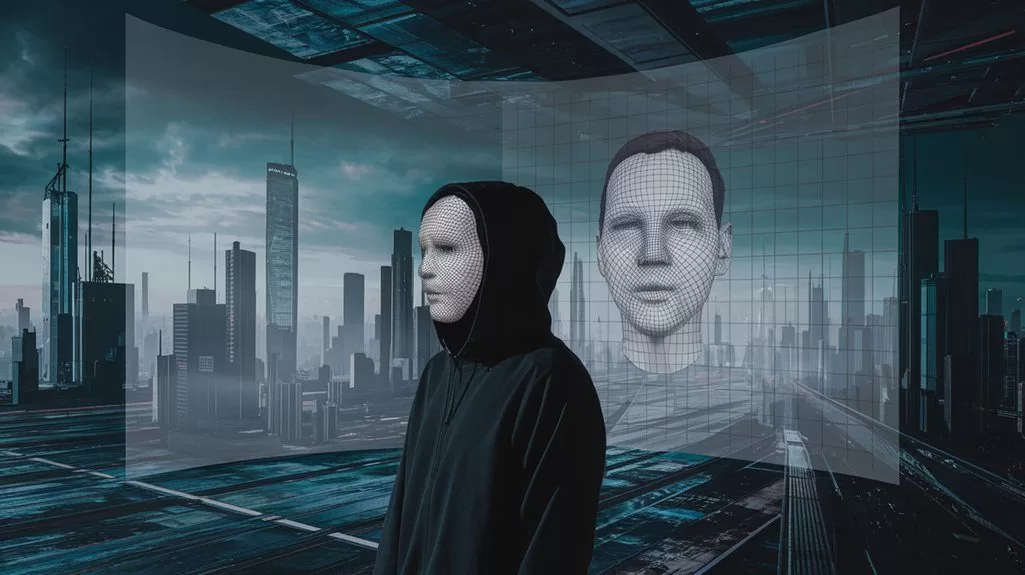
AI becomes the digital archaeologist, unveiling ancient scrolls' secrets with high-tech precision.
Textual analysis has become a collaborative research effort, bringing in diverse minds. Think tech geeks, historians, and maybe the occasional philosopher. They join forces, pooling expertise to decode these relics. It's like a nerdy Avengers team-up. The future implications of this work are staggering. Hundreds of scrolls still wait, wrapped tight in mystery. Each one a potential bombshell in the academic world. The scrolls are attributed to Philodemus, an Epicurean philosopher whose work covers topics from music to food, offering a window into the culture and ideas of the time.
But, let's not get too carried away. Challenges abound. These scrolls are delicate, damaged—more ancient tissue paper than sturdy parchment. Unraveling them physically could erase history rather than reveal it. Enter digital unwrapping. It allows scientists to virtually unroll and examine these texts without risking destruction. Clever, right? Yet, even with tech on their side, progress is slow. A mere 5% of one scroll decoded so far. But hey, it's a start.
Then there's the money. This isn't a budget operation. Funding is essential, backed by big names like the Musk Foundation. The stakes? High. Success could mean rewriting chapters of history. Failure? Well, let's not dwell on that. The Vesuvius Challenge, a competition designed to unlock these delicate scrolls, offers prize money for innovative methods.
In the end, even ancient secrets aren't safe from technology's relentless march. AI is proving that not even time can keep the past hidden forever. As these scrolls slowly yield their stories, the present connects with the past in unexpected ways. And who knows what other secrets lie waiting in the shadows?
Final Thoughts
In the race to uncover ancient secrets, AI takes center stage. Scientists now use this tech marvel to read scrolls that time forgot. Pros? We finally get to peek into history's diary. Cons? Machines might eventually know more about our ancestors than we do. But hey, nothing like a little existential dread to spice things up. Still, the thrill of decoding the past is undeniable. AI: preserving history, one pixel at a time.
References
- https://www.youtube.com/watch?v=okSG9QaqY1o
- https://phys.org/news/2024-02-ai-ancient-scroll-vesuvius-eruption.html
- https://www.cbsnews.com/news/herculaneum-scrolls-scientists-digitally-unroll-2000-year-old-papyrus/
- https://www.theartnewspaper.com/2025/02/06/technology-reveals-ancient-text-inside-herculaneum-scroll
- https://www.smithsonianmag.com/history/how-artificial-intelligence-is-making-2000-year-old-scrolls-readable-again-180984264/