
AI innovations in small Power over Ethernet (PoE) cameras have transformed security solutions by integrating advanced AI technologies. These cameras can detect and classify various objects, including people, vehicles, and animals, reducing false alarms and enhancing accuracy. Facial recognition capabilities identify known and unknown faces, aiding in access control and security monitoring. Behavior analysis detects unusual movements and activities, such as shoplifting or loitering, sending immediate alerts. Real-time tracking and analysis enable proactive threat detection and response. With these features, AI security cameras turn passive surveillance into a dynamic, responsive system, making them essential for modern security. If you want to explore these capabilities further, you'll discover how they can significantly enhance your security infrastructure.
Key Takeaways
- Advanced Object Detection: Small PoE cameras with AI can differentiate between people, vehicles, animals, and natural elements, reducing false alarms.
- Facial Recognition: AI-powered facial recognition in small PoE cameras enhances access control and security by identifying known and unknown faces in real-time.
- Behavior Analysis: These cameras detect unusual movements and behaviors, such as shoplifting or loitering, and send immediate alerts for proactive security measures.
- Real-Time Tracking: Small PoE cameras with AI can track and analyze moving objects, providing continuous monitoring within predefined areas for enhanced security.
- Integration and Automation: AI security cameras integrate with various security systems, providing automated alerts and enhancing overall security infrastructure.
Advanced Features of AI Cameras
AI security cameras have revolutionized the surveillance landscape with their advanced features, making them essential tools for modern security needs. One of the standout capabilities of these cameras is their ability to differentiate between people, vehicles, animals, and natural elements, greatly enhancing surveillance capabilities and reducing false alarms.
The facial recognition feature is another powerful tool, allowing these cameras to identify both known and unknown faces. This feature is particularly useful for access control and tracking visitor history, which can be vital in securing sensitive facilities.
Beyond object and face recognition, AI security cameras can detect unusual behaviors and send immediate alerts for abnormal events, providing proactive security monitoring. This behavior analysis can identify suspicious movements, loitering, or other uncommon patterns that may indicate a security threat.
Additionally, these cameras can track and analyze moving objects in real-time, enabling a quick response to potential threats. This feature is especially advantageous for identifying and capturing clear images of intruders or monitoring specific areas for security breaches.
However, it's worth mentioning that voice recognition capabilities enabling direct communication with the camera aren't typically included in these advanced features, as the primary focus is on visual analysis and intelligent video processing.
Detection Capabilities of AI Cameras
As we explore the advanced features of AI cameras, it's clear that their detection capabilities are an essential leap forward in surveillance technology. One of the standout benefits is their ability to reduce false alarms by accurately identifying intruders. Unlike traditional cameras, AI cameras use advanced video analytics to differentiate between genuine threats and innocuous movements, minimizing unnecessary alerts and ensuring security personnel can focus on real issues.
Facial recognition technology is another powerful tool, enhancing security by identifying familiar and unfamiliar faces. This feature is particularly useful in high-security areas where recognizing individuals is vital, allowing for immediate action if an unauthorized person is detected.
For business surveillance, AI cameras can detect specific movements such as shoplifting. These cameras can monitor store shelves and alert security when merchandise is removed or when customers spend an unusual amount of time in certain areas.
The objects tracking feature enables real-time monitoring and analysis, allowing for the continuous tracking of specific objects or individuals within a predefined area. This is especially useful for crowd monitoring in public spaces, enhancing both security and crowd management.
Facial Recognition and Identification

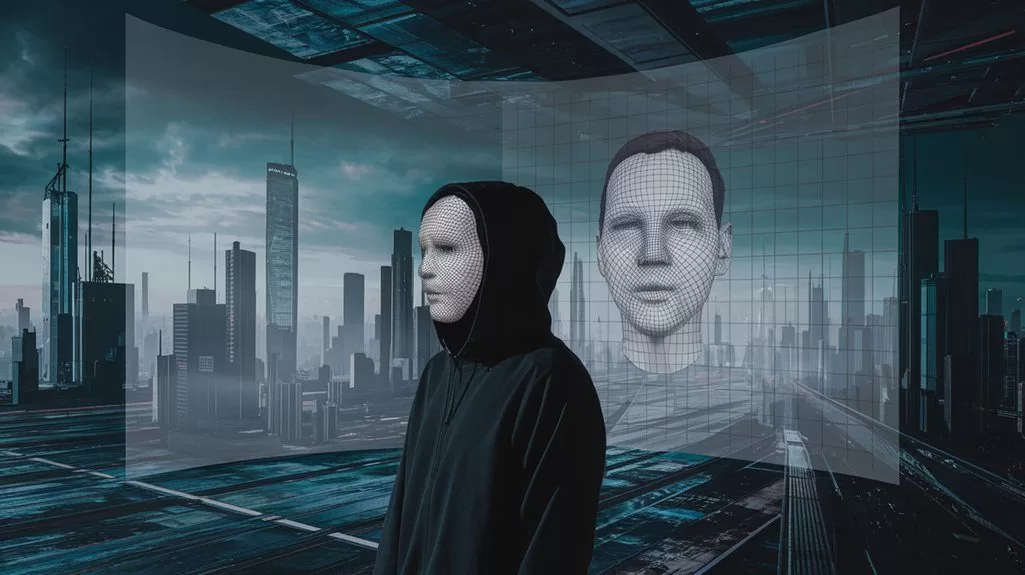
Facial recognition in AI cameras enables highly accurate identification of both known and unknown faces, making it a powerful tool for security applications. This technology is widely used in access control systems, time attendance tracking, and visitor management to ensure secure identification. By immediately identifying past offenders or unauthorized individuals, facial recognition enhances security protocols and provides alerts for unfamiliar faces, thereby bolstering overall security measures.
Face Identification
In today’s advanced security landscape, small Power over Ethernet (PoE) cameras equipped with facial recognition technology are revolutionizing how we identify and manage access to secure areas. Face identification in these AI cameras enables the recognition of known and unknown individuals, enhancing security by distinguishing between authorized and unauthorized individuals in real-time. This innovative technology not only improves surveillance capabilities but also streamlines the monitoring process, allowing security personnel to respond swiftly to potential threats. As organizations increasingly adopt these systems, it is crucial to implement robust cybersecurity measures to secure your PoE camera network against potential hacking attempts and data breaches. By proactively addressing these vulnerabilities, businesses can ensure that their security systems remain effective and reliable in safeguarding their assets.
Facial recognition technology in small PoE cameras helps in identifying familiar and unfamiliar faces, allowing for immediate alerts when unauthorized access is detected. This feature is particularly useful in crowded environments, where traditional security methods might struggle to identify individuals accurately.
AI cameras with facial recognition can remember past offenders and alert for repeat incidents, making them highly effective in preventing and investigating crimes. This capability guarantees that security personnel can respond swiftly and appropriately to potential threats.
Access Control
Enhanced security protocols are now achievable with small Power over Ethernet (PoE) cameras that integrate facial recognition technology, revolutionizing access control. These cameras can remember familiar faces and alert for unfamiliar ones, greatly enhancing security measures. Immediate identification of past offenders is possible, aiding in preventing unauthorized access to secure areas. This capability is particularly valuable in visitor management systems, where facial recognition in small PoE cameras reduces the risk of unauthorized access by ensuring only authorized individuals gain entry.
Facial recognition technology in these cameras enhances access control by identifying known individuals, bolstering overall security. As a subset of AI analytics technologies, facial recognition offers advanced security solutions that automate and streamline access processes. This automation reduces the need for physical access cards or keys, saving time and resources.
Intruder Alerts
Small Power over Ethernet (PoE) cameras equipped with facial recognition technology have revolutionized the way we detect and respond to intruders. These cameras enable accurate identification of both known and unknown individuals, enhancing security measures significantly. One of the key benefits is the ability to provide immediate alerts for intruders based on facial recognition and identification. This feature reduces the likelihood of false alarms, ensuring efficient security monitoring.
When an intruder is detected, the facial recognition technology in these small PoE cameras can differentiate between authorized personnel and potential intruders. This differentiation is crucial for maintaining tight security protocols. By accurately identifying individuals, these cameras minimize the risk of false alarms, which can be both costly and time-consuming.
The advanced security solutions offered by facial recognition and identification features in small PoE cameras make them invaluable for intruder detection. This technology streamlines the security process, allowing for quicker and more reliable responses to potential threats, thereby enhancing overall security posture. With facial recognition technology, small PoE cameras offer a robust and efficient method for improving security monitoring and alert systems.
Behavior Detection and Analysis
AI cameras are revolutionizing behavior detection and analysis by instantly parsing scenes to identify abnormal behaviors and events in real-time. This capability allows for immediate alerts to be generated for unusual activities, greatly enhancing security measures.
For instance, specific movements like shoplifting can be identified and monitored effectively, reducing the risk of theft and loss.
The use of AI in security cameras saves time by reducing the need to review extensive footage for suspicious behavior. Instead, these cameras analyze footage continuously, enabling real-time detection of abnormal activities. This proactive approach ensures that security personnel can intervene promptly, preventing incidents before they escalate.
Enhanced security is achieved by detecting and analyzing unusual behaviors promptly. AI cameras can recognize patterns and anomalies, such as body language and item placement, which are indicative of potential threats. By continuous learning and adapting, these systems become more accurate over time, enabling businesses to stay ahead of security breaches.
Application Scenarios for AI Cameras

When considering the application scenarios for AI cameras, I find that facial recognition, behavior analysis, and object tracking are particularly remarkable.
These cameras can accurately identify individuals, analyze human behavior patterns to detect potential security threats, and track specific objects to prevent theft or unauthorized access.
Facial Recognition
Facial recognition technology has revolutionized the way we approach security, particularly in environments where access control and identification are paramount. In modern AI cameras, facial recognition capabilities play a pivotal role in enhancing security measures.
Facial recognition in AI cameras is vital in scenarios like visitor management, notably reducing the risk of unauthorized access. By identifying known individuals, these cameras ensure that only authorized personnel enter restricted areas, thereby strengthening access control. This technology also excels in time attendance purposes, eliminating the possibility of proxy or buddy punching and providing a foolproof method of tracking employee attendance.
Immediate identification of past offenders using facial recognition technology in AI cameras is a game-changer in security enforcement and incident prevention. These cameras can swiftly match faces against databases, alerting security personnel to potential threats in real-time. Additionally, AI cameras can remember familiar faces and alert for unfamiliar ones, providing an added layer of security in various environments.
Facial recognition technology in AI cameras enables effective identification of individuals in crowded environments, enhancing overall security measures. This capability is particularly valuable in airports, retail spaces, and other public areas where securing a large number of people is essential.
Behavior Analysis
Behavior analysis in AI cameras has become an essential aspect of modern security systems, enabling the detection of unusual activities and triggering immediate alerts. This technology leverages AI capabilities to identify and flag suspicious behaviors, such as shoplifting, loitering, and other potential threats. By analyzing video surveillance in real time, AI cameras can detect specific movements and actions that deviate from normal patterns, enhancing security to a great extent.
One of the key benefits of behavior analysis is its ability to save time for security personnel. Instead of manually monitoring hours of footage, AI cameras automatically flag abnormal events, allowing personnel to focus on reviewing and responding to these alerts promptly. This real-time threat detection ensures a proactive response, preventing potential security threats from escalating.
For instance, AI can recognize patterns associated with shoplifting, such as excessive handling of items or frequent visits to high-value shelves, and alert security teams instantly.
Object Tracking
Object tracking in AI cameras revolutionizes surveillance by enabling real-time monitoring and analysis of moving objects. This feature is important for enhancing security, making sure no object goes unnoticed. AI cameras can track and analyze specific objects like people, vehicles, and animals, providing immediate alerts for any suspicious movements or behavior.
When integrated into small PoE cameras, object tracking technology helps in identifying and following moving targets within the camera's field of view.
Here are four key applications of object tracking in AI cameras:
- Enhanced Surveillance: Object tracking ensures thorough coverage, detecting and tracking every object in real-time.
- Automated Alerts: AI cameras send immediate alerts for suspicious movements or behavior, improving security responses.
- Specific Object Analysis: Cameras can focus on specific objects such as people, vehicles, or animals, allowing for detailed analysis and tracking.
- Real-Time Monitoring: Continuous monitoring of moving objects helps in maintaining security protocols and reacting promptly to potential threats.
This technology transforms passive monitoring into proactive threat detection, making AI cameras indispensable for modern security solutions. By leveraging object tracking, we can greatly improve security efficacy and response times.
Benefits of Using AI Security Cameras
Integrating AI into security cameras revolutionizes traditional surveillance systems, offering a multitude of benefits that enhance security accuracy and efficiency. One of the key advantages is the ability of AI security cameras to differentiate between people, vehicles, animals, and natural elements, greatly enhancing surveillance accuracy. This capability ensures that the system focuses on relevant events rather than triggering false alarms due to non-threatening activities.
The facial recognition feature is another critical benefit, allowing the identification of known and unknown faces. This aids in access control and security monitoring, making it easier to track visitors and detect potential intruders. By recognizing faces, AI security cameras can set up notifications for unknown individuals, thereby strengthening security protocols.
Additionally, AI security cameras can detect unusual behaviors and send immediate alerts for abnormal events, improving response time to potential threats. This proactive approach ensures that security personnel can act promptly to mitigate risks.
The cameras can also track and analyze moving objects in real-time, enabling proactive security measures and efficient monitoring.
While voice recognition capabilities for direct communication with the camera aren't a standard feature in AI security cameras, the existing benefits of object recognition, facial identification, and behavior analysis make these cameras essential for modern security solutions.
Possible Concerns Related to AI Surveillance
As we explore the world of AI surveillance, it's important to recognize the significant concerns that arise from its implementation. One of the primary issues is the privacy concerns associated with facial recognition technology. This technology can collect and analyze sensitive information without explicit consent, infringing on individuals' right to privacy and autonomy.
Data security is another key consideration, as AI cameras handle vast amounts of personal data. If these databases are compromised, it could lead to severe consequences such as identity theft, harassment, and unauthorized access to personal information.
Here are some important concerns related to AI surveillance:
- Ethical implications: Constant monitoring and tracking can erode civil liberties and create a chilling effect on free speech, as individuals may fear being monitored.
- Potential misuse: AI surveillance data can be used for profiling or discrimination, leading to biased and unfair treatment.
- Data security: Ensuring the secure collection, storage, and use of data is essential to prevent breaches and unauthorized access.
- Regulatory challenges: Balancing security needs with individual privacy rights is a significant regulatory challenge, requiring clear guidelines and oversight to protect privacy while maintaining security.
Addressing these concerns is crucial to guarantee that AI surveillance systems are used ethically and responsibly.
Frequently Asked Questions
Which Security Camera Has the Best Ai?
To find the best AI security camera, I compare top brands like Arlo and Nest, evaluating features like facial recognition and motion tracking. I check customer reviews, price ranges, and installation processes, as well as integration options with other smart devices.
How AI Is Used in Security Cameras?
I use AI in security cameras for facial recognition, behavior analysis, object detection, intrusion detection, activity tracking, and anomaly detection, enabling real-time alerts and precise monitoring of people, vehicles, and other objects, enhancing overall security efficiency.
Are AI Security Cameras Worth It?
AI security cameras are worth it for their cost-effectiveness, high accuracy rates, and user-friendly interface. However, consider privacy concerns and data storage needs. Real-time alerts enhance security, making them a valuable investment despite potential drawbacks.
What Are the Applications of AI in Security Surveillance?
In security surveillance, AI enables facial recognition for access control, intrusion detection, and behavior analysis. It also facilitates object tracking, license plate recognition, and crowd monitoring, providing real-time alerts for unusual activities and enhancing overall safety.
Final Thoughts
To sum up, AI innovations in small PoE cameras have revolutionized security solutions by offering advanced features like object detection, facial recognition, and behavior analysis. These cameras enhance security, optimize operations, and provide real-time alerts, making them invaluable for various applications. While they bring numerous benefits, it’s vital to address potential privacy concerns and guarantee ethical use. With their advanced capabilities, AI security cameras are set to become a cornerstone in modern security systems, providing smarter and more effective security solutions. Furthermore, the integration of AI in security systems facilitates the processing of vast amounts of data, allowing for more informed decision-making and quicker responses to potential threats. As these technologies evolve, ongoing collaboration between developers, policymakers, and the public will be essential to establish clear regulations and guidelines that protect individuals’ rights while maximizing security benefits. Ultimately, the growth of AI in this sector promises not only enhanced safety but also the potential for innovative applications that can adapt to the unique needs of different environments.