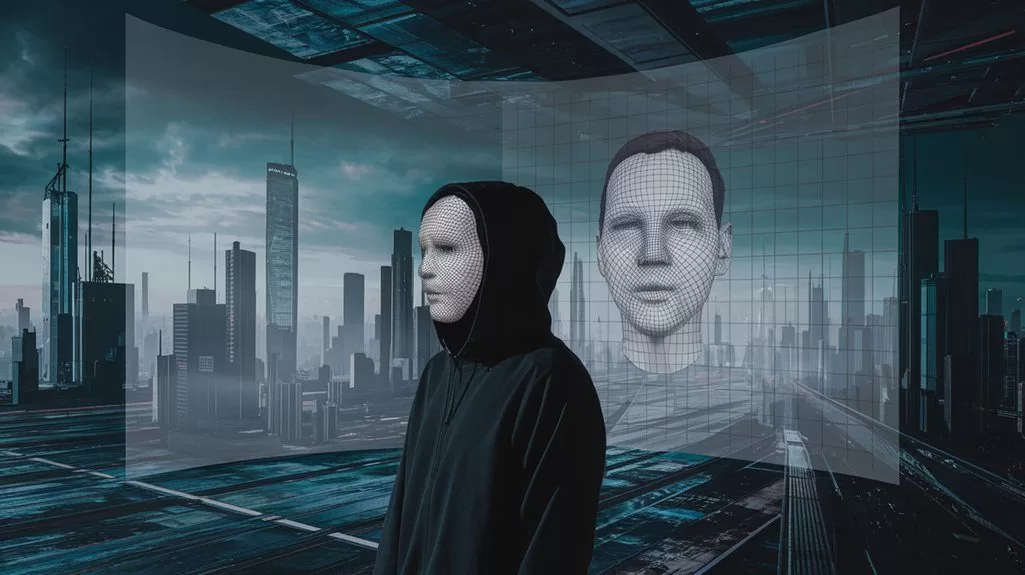


Jackson has lifted its years-long ban on facial recognition tech—surprise, surprise. The technology is back, with strings attached: specific cases only, senior nods required, and a civilian watch hawk. Pros? A potential crime-fighting whiz. Cons? Say hello to privacy invasion and racial bias fears. The community's on the fence; safety versus rights, who wins? This tech's comeback isn't without controversy. Want the nitty-gritty? Stay awhile.
Key Takeaways
- Jackson lifted its facial recognition ban in 2025, allowing police to use the technology for specific criminal cases.
- The technology's use requires senior approval and is monitored by a civilian oversight board.
- The initial ban in 2020 was due to privacy concerns, racial bias, and potential misuse.
- Community responses are mixed, with some fearing privacy violations and racial bias.
- Legal frameworks and privacy protections are in place to regulate the technology's use.
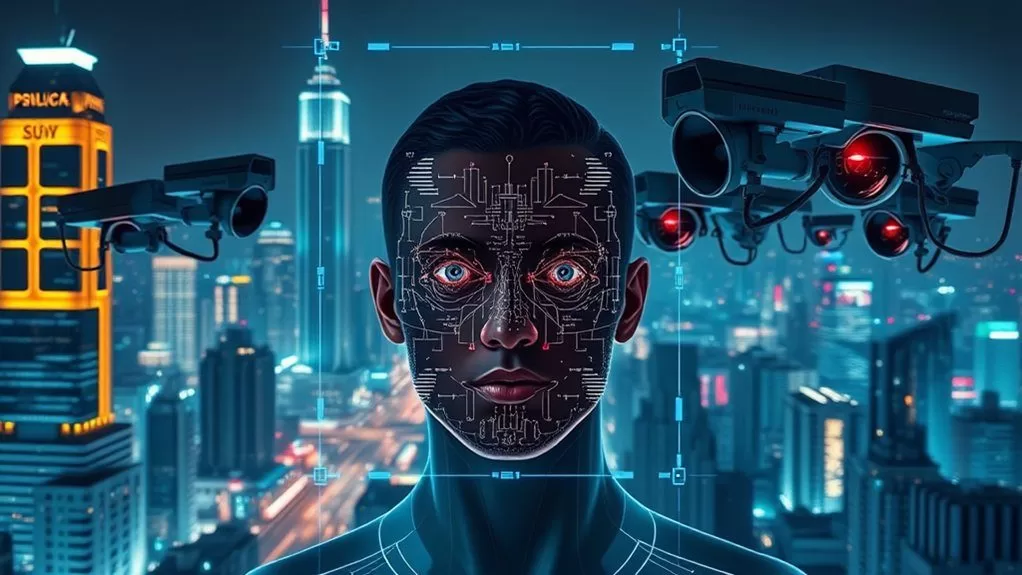
When Jackson originally banned the use of facial recognition technology in 2020, it was part of a national wave of skepticism and concern. Skepticism about privacy. Concern about racial bias and potential misuse. The Jackson Police Department, notably, didn't even use the tech before the ban. It was a preemptive strike, aligning with cities across the U.S. responding to the tumultuous events post-George Floyd's death. The mood was: better safe than sorry.
Fast forward to 2025. The Jackson City Council flipped the script, overturning the ban. Now, facial recognition is back on the table, albeit with strings attached. Only for specific criminal cases. Senior approval needed. And, of course, there's a civilian oversight board to keep an eye on things. Supposedly. The rationale? The belief that with proper boundaries, the technology can bolster crime-solving efforts while still respecting privacy. But, surprise, surprise, not everyone is buying it.
The community response? Mixed. While some see potential in enhancing public safety, others are shouting from the rooftops about privacy violations and racial bias. The ethical implications are hard to ignore. Balancing the potential for crime-solving against civil liberties isn't exactly a walk in the park. There's the ever-present fear of misidentifying individuals, particularly among minority groups. And let's not forget, this tech isn't perfect. Less accurate for people of color. A fact that just adds fuel to the fire. The risks of misidentification and inequitable treatment are compounded by algorithmic biases, highlighting the need for improved safeguards.
Legally, the tech is encased in a cocoon of regulations. Privacy protections, legal frameworks, oversight—buzzwords that sound good on paper. But in practice? The jury's still out. Nationally, debates rage on, with Jackson's decision just another chapter in the larger story of facial recognition in law enforcement. Other cities have taken their own paths—Portland's ban, Ann Arbor's selective use, and San Francisco's outsourcing reports. Jackson's move? Just another twist in this complex narrative. Major corporations like Microsoft and IBM have responded by halting sales of facial recognition technology to police, highlighting the broader concerns across industries.
It's a technical marvel, really. Advanced technology with the power to revolutionize policing. But with great power comes great responsibility, right? Oversight mechanisms are in place, sure, but the impact on the community is undeniable. Community engagement is key. Trust is fragile.
In short, Jackson's embrace of facial recognition technology is a gamble. A balancing act. A tightrope walk between innovation and ethical responsibility. The city's decision reflects a national trend of reassessing bans, but whether it leads to safer streets or increased distrust remains to be seen. Who knew technology could stir such a pot? JPD Chief Joseph Wade supports the use of facial recognition for crime-solving, emphasizing its potential to improve efficiency in identifying suspects.
References
- https://idtechwire.com/jackson-mississippi-bans-police-use-biometric-facial-recognition-082107/
- https://reclaimthenet.org/jackson-reverses-facial-recognition-ban-approves-police-use
- https://idtechwire.com/jackson-police-department-receives-approval-for-facial-recognition-technology/
- https://library.oapen.org/bitstream/20.500.12657/32755/1/606214.pdf
- https://www.biometricupdate.com/202405/police-in-us-cities-that-ban-facial-recognition-asking-others-to-do-it-for-them