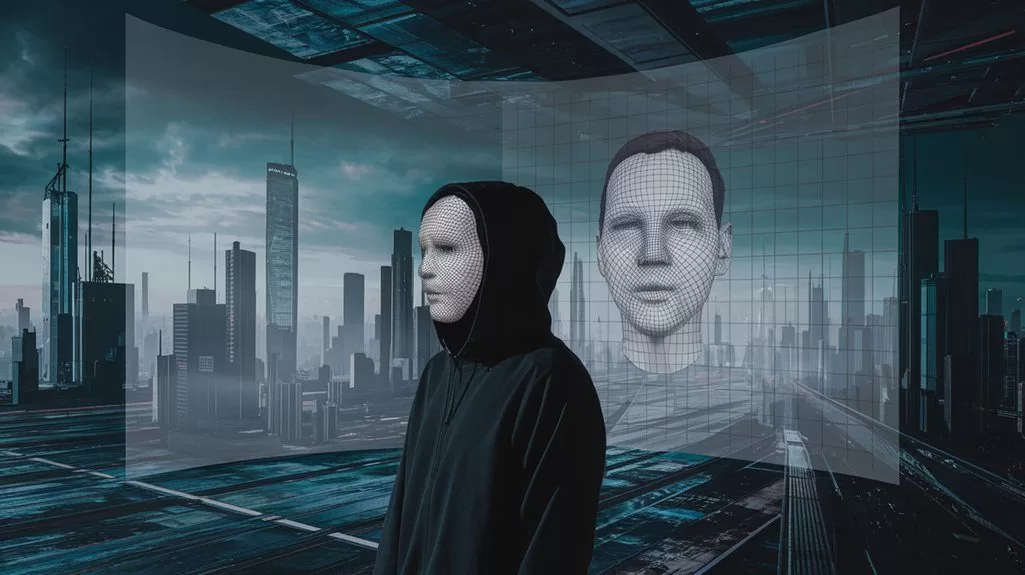


AI surveillance in schools walks the fine line between innovation and invasion. Designed to protect, yet sometimes spilling secrets—ironic, right? While offering early alerts for risks like self-harm, it also raises red flags for privacy, with breaches exposing poignant student moments. Somehow, vulnerable groups get the spotlight—unasked. Budgets back it but counselors need the cash. Regulations? Lukewarm at best. It's the dance of safety and snooping. Curious where this dance leads next? Target acquired.
Key Takeaways
- AI surveillance systems aim to prevent harm by identifying potential risks like self-harm or violence among students.
- Significant privacy concerns arise from data breaches exposing sensitive student information, such as personal essays and mental health discussions.
- Vulnerable communities, including minorities and LGBTQ+ students, face heightened risks and potential discrimination due to surveillance practices.
- Financial resources allocated to AI surveillance may detract from funding for human-based support like counselors and mental health services.
- Current regulatory frameworks are insufficient, necessitating stronger privacy protections and transparency in school surveillance practices.
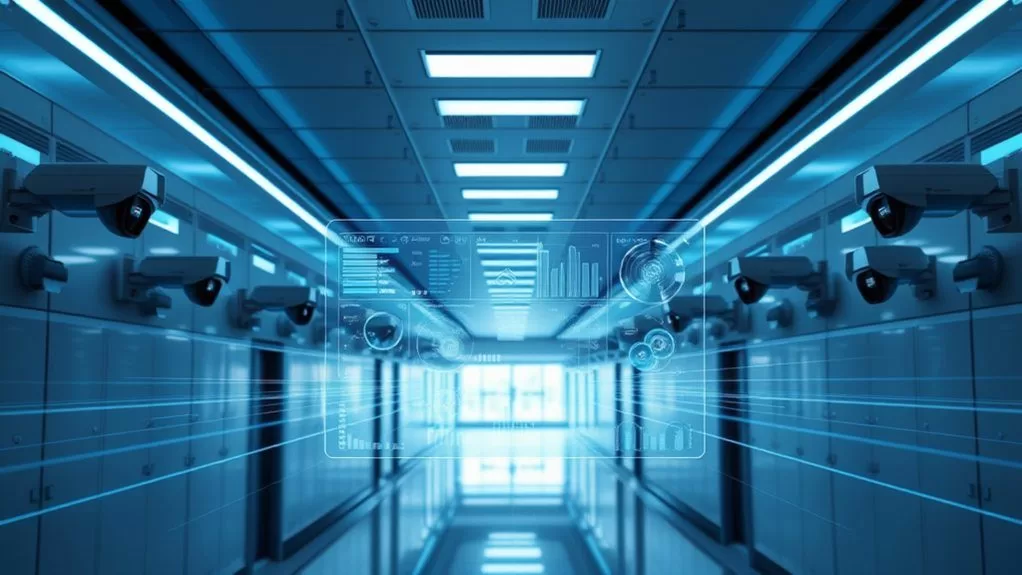
As schools embrace the digital age, AI surveillance has found its place in the educational ecosystem. With the rise of student monitoring systems, the aim is clear: prevent harm, protect students. But at what cost? The ethical implications are vast. On one hand, the technology offers early intervention, potentially saving lives by scanning for self-harm, violence, or bullying. On the other, it raises significant privacy concerns. A recent breach exposed nearly 3,500 sensitive documents—personal essays, diaries, mental health discussions. A privacy nightmare.
For students, especially vulnerable groups like LGBTQ+ and those from minority backgrounds, the fear is real. Surveillance disproportionately affects these communities, who often rely on school-issued devices. A chilling effect on self-expression, a barrier to authenticity. Students report discomfort, a stifled online presence under the watchful digital eye. All this while the lack of robust privacy protections looms large. Surveillance exacerbates existing inequalities within educational environments, creating a further divide between students with different socio-economic backgrounds.
Imagine writing a heartfelt essay, only for it to end up in the wrong hands. A breach in Vancouver Public Schools did just that, exposing sensitive data without redactions. The irony? AI systems are supposed to protect, not expose. Yet, they do both. Real-time threat detection and intervention are lauded, but the breaches make one question the balance of safety and privacy. Is it truly worth it? Privacy protection measures are designed to ensure only relevant threat information is shared, but breaches reveal the vulnerabilities of such systems.
The cost of implementing these systems is another elephant in the room. Funds that could hire counselors or support mental health resources are diverted. Some argue AI surveillance is cost-effective. Sure, if you ignore the potential over-policing of minority communities and the risk of outing LGBTQ+ students. But, hey, at least it's cheaper than human-based security solutions, right?
Gaggle Safety Management, a name that sounds ominously like a dystopian novel, uses machine-learning to monitor activities. It alerts human reviewers and school officials when issues are detected. Yet, the screenshots saved by Gaggle's software have occasionally been leaked. Oops. Useful technology, they say, but it requires stricter privacy safeguards. No kidding. Nearly 3,500 unredacted student documents were made accessible due to security vulnerabilities, highlighting the risks involved.
Regulatory oversight? Not quite there yet. Current laws seem inadequate for protecting students from data breaches. Transparency about surveillance practices is more of a suggestion than a mandate. The call for careful policy-making is loud, but will it be heard?
Balancing privacy with safety is tricky. It's a dance on a tightrope, where one misstep could exacerbate existing social inequalities. AI surveillance in schools—a life-saving innovation or a privacy nightmare? Depends on who you ask.
References
- https://timesofindia.indiatimes.com/education/news/ai-surveillance-in-us-schools-thousands-of-sensitive-student-documents-exposed-in-surveillance-breach-fueling-privacy-fears/articleshow/118936575.cms
- https://www.aclu-nj.org/en/news/students-we-face-invasive-ai-powered-school-surveillance-now-were-calling-lawmakers-regulate-it
- https://www.csmonitor.com/USA/Education/2025/0312/ai-surveillance-schools-gaggle
- https://www.securitymagazine.com/articles/101049-integrated-security-ai-is-a-cost-effective-path-to-safer-schools
- https://www.spot.ai/blog/cameras-in-schools