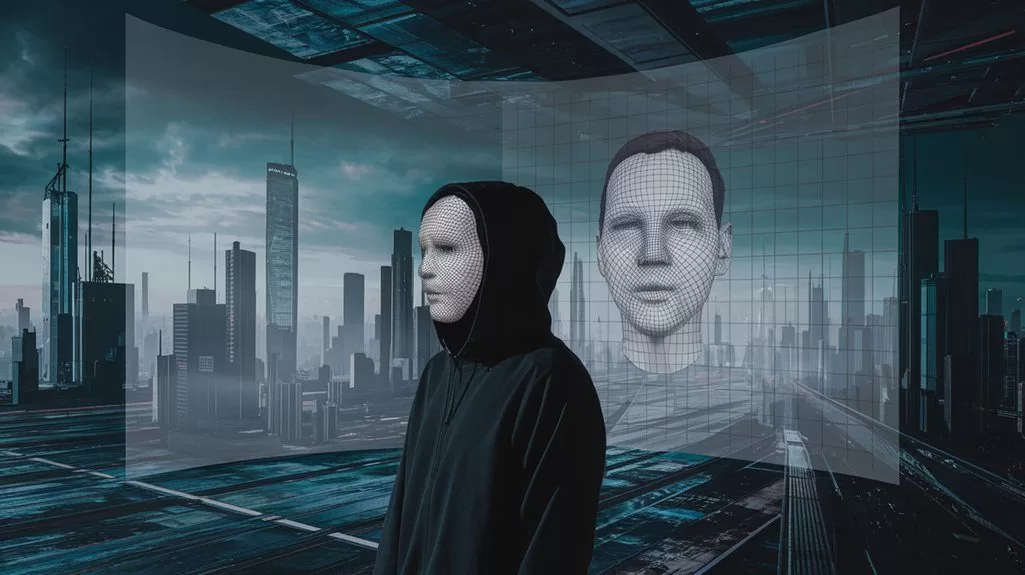


Facial recognition in Arizona schools sparks a fiery debate: safeguard or snoop? Advocates tout security perks, citing threats' quick spotlights. Critics, however, see flaws—false positives, privacy invasions, and budget squander. Schools want crime alerts that human eyes can't grasp. Yet, is it safety or security theater? Tech doesn't solve student violence; it eyes the wrong issues. ACLU isn't buying it; they fire back at legal and ethical implications. Tread carefully, there's more to uncover.
Key Takeaways
- Arizona schools implement facial recognition for security, prompting debates on privacy versus safety.
- ACLU questions the technology's effectiveness and potential privacy invasions in schools.
- Critics argue facial recognition may overlook core issues like student-on-student violence.
- Misidentification risks raise concerns about the technology's accuracy and reliability.
- Ethical concerns focus on whether surveillance equates to unwarranted invasions of privacy.
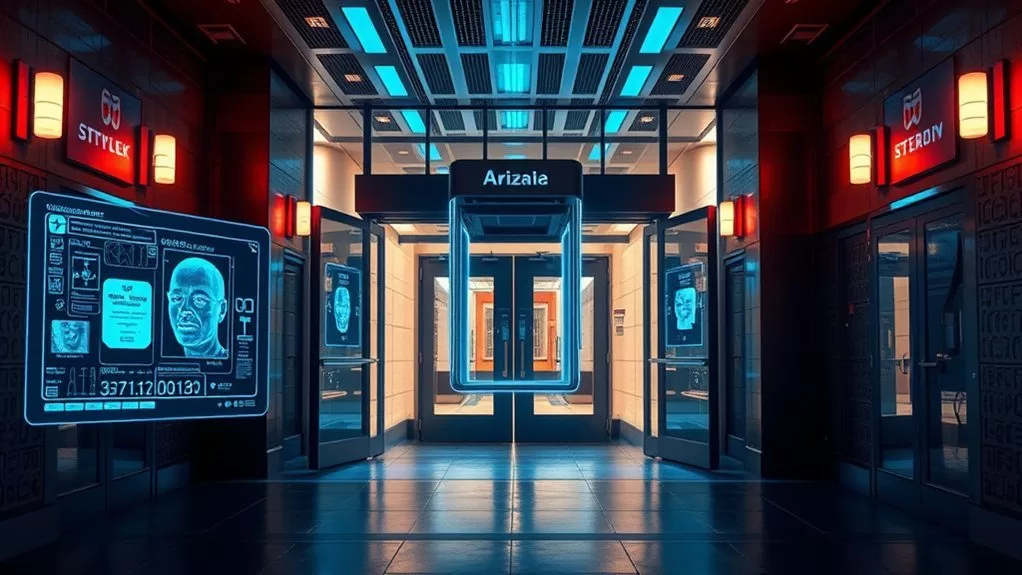
Although facial recognition technology in Arizona schools is heralded as a groundbreaking security measure, it's not without its share of drama. The American Civil Liberties Union (ACLU) has not minced words, highlighting concerns about ineffectiveness and privacy implications. And let's not forget the potential for false positives. Imagine being told you're on a watchlist because the system thinks you resemble someone you're not. Awkward, right?
The Piñon Unified School District, among others, has embraced AI-powered surveillance. Their goal? To identify threats and enhance safety. But at what cost? Privacy implications and ethical considerations abound. Critics argue that the technology could lead to unwarranted invasions of privacy. Surveillance in schools already raises eyebrows; add facial recognition, and you've got yourself a cocktail of controversy. To better understand the scope of the issue, it's important to note that 77% of public schools reported one or more crime incidents in a recent school year, highlighting the need for enhanced security measures. Furthermore, balancing benefits of facial recognition technology with privacy concerns is a critical aspect that must be addressed.
Those in favor of the technology say it helps spot unauthorized visitors and potential threats. Others, however, see a different story. They argue the systems might not tackle the real security issues—like student-on-student violence. So, is this high-tech solution really solving anything, or just adding another layer of complexity? The jury's still out.
Arizona isn't alone in this experiment. Other regions, like New York, have decided to give facial recognition the cold shoulder, citing effectiveness and privacy concerns. And they aren't wrong. Tampa, Florida, has seen its fair share of testing failures, with systems struggling to accurately identify individuals across demographics. Imagine the embarrassment of being misidentified in your own school. Not the kind of popularity anyone's looking for.
Schools argue they need to boost safety, and facial recognition promises real-time alerts that human eyes can't match. But at what cost? Critics draw parallels to prison-like scrutiny. The ethical considerations are hard to ignore. Balancing safety and privacy isn't just a delicate dance; it's a tightrope walk where one wrong step could lead to chaos. The ACLU argues that wasting resources on ineffective technology is not ideal, particularly when budgetary shortfalls are a concern for the state.
Meanwhile, tech companies like Oosto assure everyone that their systems focus on security, not spying on students and staff. They promise not to store student biometrics—at least, that's what they say. But who decides who's on the watchlist? Usually, it's the schools. The vendors just provide the tools. How comforting.
There's no denying the allure of advanced technology in schools, but the debate rages on. Privacy implications and ethical considerations loom large. Is it revolutionizing safety or invading privacy? It seems Arizona is leading a controversial charge, with everyone else watching closely from the sidelines, popcorn in hand.
References
- https://www.aclu.org/press-releases/aclu-asks-arizona-school-district-reject-face-recognition-checkpoints
- https://oosto.com/facial-recognition-in-schools/
- https://www.govtech.com/education/k-12/in-arizona-a-k-12-district-will-use-ai-powered-se
- https://www.edweek.org/leadership/does-facial-recognition-technology-make-schools-safer-what-educators-need-to-know/2023/10
- https://kwcdcountry.com/facial-recognition-arizona-schools/