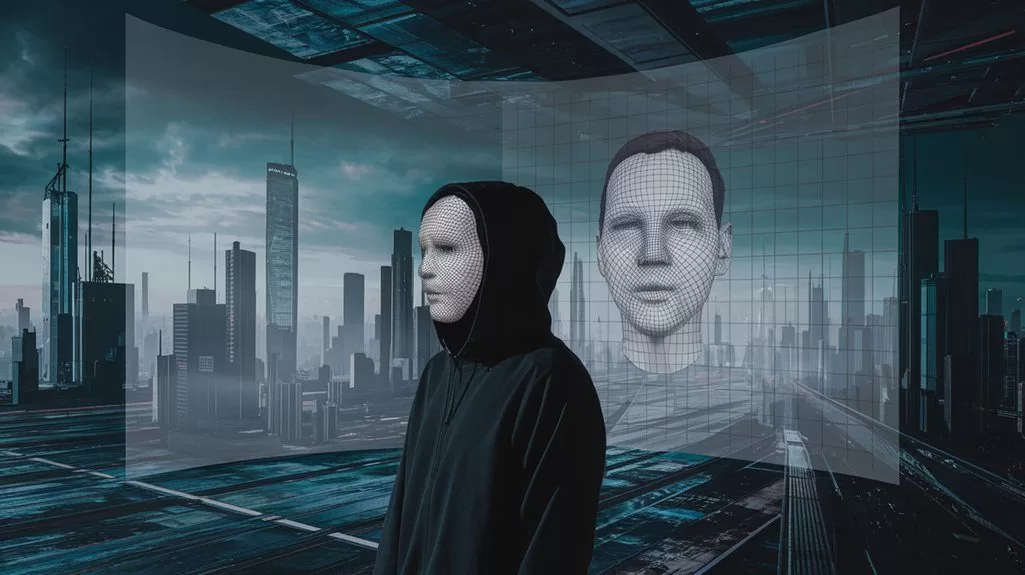


SAFR ups the ante in biometric security by merging high-quality authentication with strict privacy measures. It's not just about keeping snoops at bay—SAFR employs passive liveness detection and anti-spoofing techniques. Data's safe, encrypted, and yes, destroyed after use. A compliant rebel. It dares to balance security needs with privacy rights, a feat many fail at. Outdoors or in, SAFR adapts. Curious how all this plays out in the tech scene?
Key Takeaways
- SAFR employs advanced biometric authentication with privacy safeguards, setting a new standard in security solutions.
- The use of passive liveness detection and 3D structured light prevents biometric spoofing effectively.
- High-level encryption and data minimization ensure robust protection and ethical handling of biometric data.
- Compliance with NDAA and TAA regulations assures adherence to legal and privacy standards.
- Real-time alerts for unauthorized access enhance surveillance capabilities while maintaining privacy considerations.

While the world races towards digital transformation, SAFR emerges as a frontrunner in biometric security standards with its robust, albeit occasionally invasive, technology. It's got the full package: biometric authentication, privacy safeguards, and a dash of "we know what we're doing" confidence.
Liveness detection? Check. SAFR uses passive methods to guarantee you can't trick it with photos or videos. It's almost as if they know people will try anything.
Encryption? They've got that covered too. Biometric data isn't just floating around, waiting for a cyber thief. It's encrypted, locked down, and after it's used, irreversibly destroyed. Paranoid? Maybe. Effective? Absolutely. It's like they've taken a page out of Fort Knox's playbook.
But let's not ignore the elephant in the room: privacy. Everyone's favorite topic when it comes to biometric data. SAFR, with its encryption and data minimization, plays the privacy game well. They don't just store data; they obliterate it after use. A neat trick, really. Furthermore, regulatory enactments provide ethical guidelines for responsible use of facial recognition, which SAFR adheres to diligently.
And if you're wondering about compliance, they tick off the NDAA and TAA boxes, staying within the lines of legislative good behavior.
Their anti-spoofing technology doesn't just stop at basic; it employs RGB and 3D structured light. Fancy, right? It's the kind of tech that screams, "We see through your tricks!" They offer real-time alerts for unauthorized attempts, guaranteeing no one slips through unnoticed. It's like having a digital bouncer at every door.
SAFR's approach to privacy safeguards is equally commendable. High-level encryption methods, secure encryption key management, and a commitment to data privacy impact assessments for high-risk processes. They keep pace with evolving privacy regulations, guaranteeing they remain on the right side of the law. Talk about dotting the i's and crossing the t's. Their technology is suitable for both indoor and outdoor use, making it versatile enough for various security applications.
Yet, for all its strengths, SAFR's technology can feel intrusive. Sure, it's securing our world, but at what cost? Is anyone else slightly unnerved by the constant surveillance and data collection? It's the price we pay for security, some might argue. Others might just call it a necessary evil.
But in the end, SAFR stands strong, outsmarting biometric security standards with a blend of technological prowess and privacy considerations. It's a game-changer, no doubt. A tech giant in a world that demands both security and privacy. Organizations must adapt protocols to changing technologies to mitigate risks, ensuring they stay ahead of potential security threats.