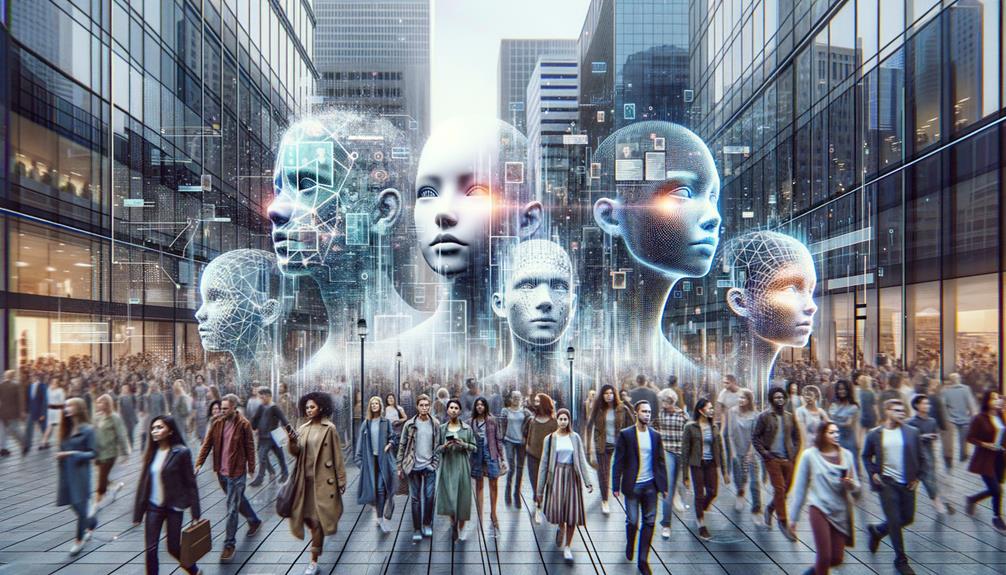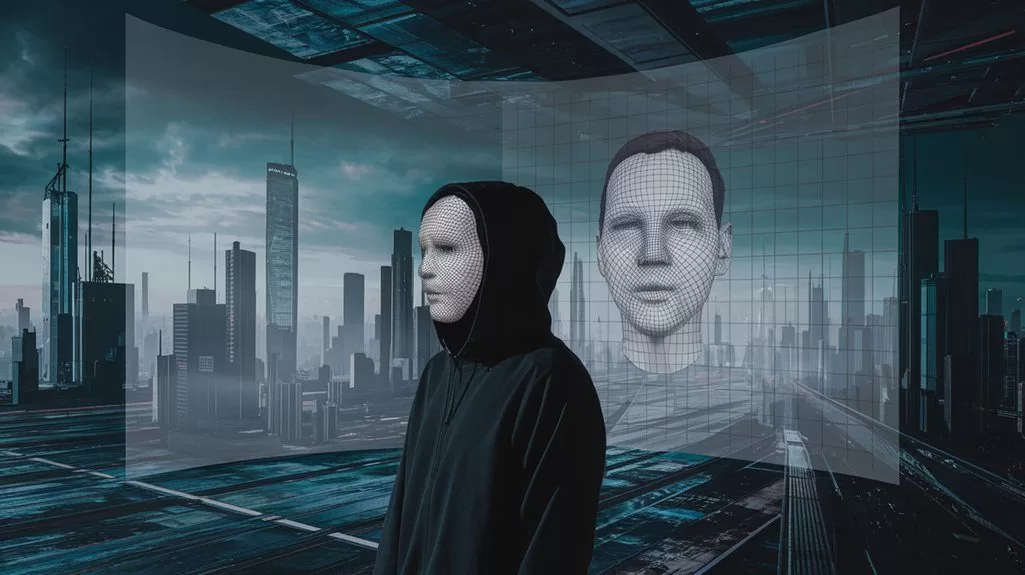


I use facial recognition in targeted monitoring because it leverages advanced computer vision and AI to generate unique biometric faceprints. This enhances my ability to accurately identify and tailor my approach to individual users. Real-time insights into consumer behavior allow me to optimize advertising campaigns, driving engagement and sales. Additionally, facial recognition helps bridge the digital and physical worlds for engaging experiences. If you're curious how this technology can elevate your marketing strategy and guarantee user privacy, let's explore the nuances.
Key Takeaways
- Captures accurate customer data, enabling precise targeted marketing strategies and enhanced customer experiences.
- Identifies individual emotions, such as happiness, surprise, or confusion, allowing for emotionally resonant advertising.
- Facilitates real-time analysis of customer behavior, ensuring constant improvement and optimization of marketing campaigns.
- Links digital and physical interactions seamlessly, fostering engaging omnichannel experiences.
- Yields significant boosts in engagement and sales by accurately targeting specific demographics and preferences.
Facial Recognition Technology Overview
Starting with the core element of facial recognition technology, computer vision is leveraged to analyze facial features and create unique faceprints for identification purposes. This advanced technology enables the creation of precise, numerical representations of human faces.
In turn, these representations can be matched against databases for quick and secure authentication. Recent advancements in artificial intelligence (AI) and machine learning have notably improved the accuracy and efficiency of facial recognition systems.
Facial recognition technology is widely used in various sectors, such as social media, smartphones, and security systems, to enhance monitoring and authentication processes. These systems have transformative potential, whether it's to personalize user experiences or to swiftly identify individuals in high-security settings.
Ultimately, the ability of facial recognition technology to swiftly and accurately identify individuals makes it an invaluable tool for numerous applications today.
The technology works by capturing an image or video frame of a person's face and matching it to a database. This process is facilitated by sophisticated algorithms that measure facial dimensions and construct a numerical code. The closer the match between the captured image and the database image, the stronger the identification.
Biometric Security Applications
Facial recognition plays an important role in enhancing biometric security by providing an efficient yet non-invasive means of authenticating individuals based on their unique facial characteristics. This technology is particularly effective in access control settings, guaranteeing that only authorized individuals can enter secure facilities. For instance, it's commonly used to access devices, a feature we see in many modern smartphones.
The accuracy of facial recognition in identifying and monitoring individuals makes it an indispensable tool in various applications. It not only enhances security but also improves customer experiences. In retail settings, targeted monitoring helps businesses tailor their marketing strategies and personalize customer interactions. By analyzing consumer behavior, businesses can optimize their operations and enhance overall customer satisfaction.
Incorporating facial recognition technology into biometric security systems offers significant advantages. It provides an efficient means of authentication without the need for physical contact, making it both convenient and hygienic. Additionally, its unique facial features guarantee that each individual can be accurately identified, minimizing the risk of misidentification.
Advantages of Facial Identification
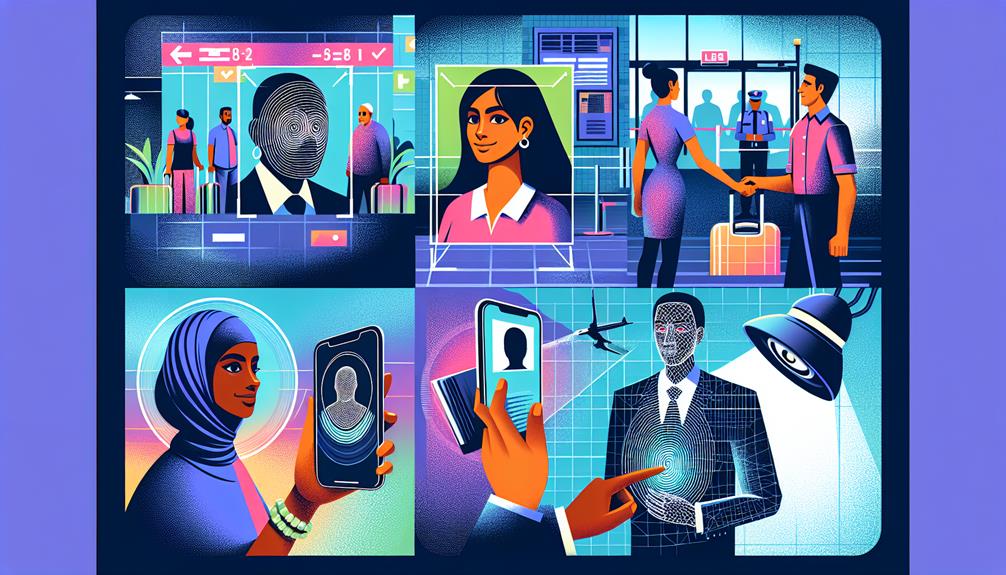
When it comes to leveraging facial recognition technology for targeted monitoring, the most significant advantage lies in its unparalleled ability to capture nuanced insights about customer behavior and emotions. This advanced technology allows businesses to understand how their customers react to advertisements and products in real-time, enhancing the effectiveness of their marketing strategies.
By analyzing facial expressions, facial recognition can identify emotions such as happiness, surprise, or confusion, providing a deeper understanding of how customers engage with products and services.
One of the primary benefits of facial recognition in targeted monitoring is that it enables personalized marketing strategies based on real-time data analysis of customer facial expressions. This empowers businesses to tailor their marketing campaigns to specific demographics, increasing the relevance and impact of their advertising efforts.
Facial recognition technology also helps identify loyal customers and determine which segments of their audience respond best to certain products or services. Facing no bounds, facial recognition bridges the digital and physical worlds by creating interactive and engaging customer experiences.
Disadvantages and Concerns Raised
Implementing facial recognition technology for targeted monitoring raises ethical and legal concerns, primarily revolving around the potential invasion of privacy and the risk of significant data security breaches. These technologies can be detrimental to personal autonomy and breach trust between targeted individuals and organizations.
Some critical concerns include:
- Privacy Invasion: Facial recognition systems can capture and store sensitive biometric data, including facial features, without explicit consent or notification. This intrudes on individual privacy and opens the door to potential surveillance.
- Data Security Risks: Centralized databases of facial data are vulnerable to breaches, which can lead to identity theft and other malicious activities.
- Discrimination and Bias: Facial recognition algorithms are prone to biases based on demographic characteristics, potentially leading to unfair targeting and discrimination.
These concerns are further complicated by ethical dilemmas and regulatory challenges. Public concerns about surveillance and loss of autonomy must be addressed through transparent, ethical practices and strict governance.
Surveillance Impact on Marginalized Groups
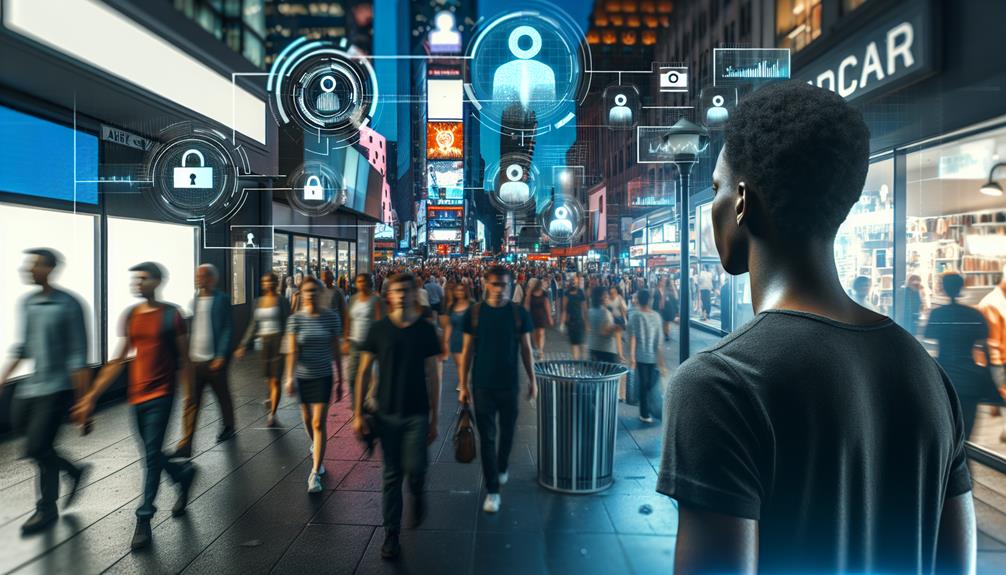
The use of facial identification surveillance disproportionately affects marginalized communities of color, amplifying existing societal biases and leading to unfair targeting by law enforcement. Misidentification rates are notably higher for people of color, posing particular risks for these historically marginalized groups. Facial identification tools have been found to misclassify Black people, especially Black women, at alarming rates, unlike their White counterparts. This disparity stems from the historical and systemic unequal treatment of communities of color within the criminal justice system.
Consequently, the burden of policing disproportionately falls on communities of color, with facial identification contributing further to unfair profiling and disparate accuracy rates. Law enforcement uses these surveillance tools to target and surveil communities that are already over-policed and under-protected. This perpetuates harmful cycles of discrimination, eroding trust between law enforcement and the communities they serve.
To mitigate these negative impacts, it's essential to address the inherent biases in facial identification technologies and ensure that communities of color have a voice in the development and implementation of these tools.
Legal and Ethical Considerations
We must examine the legal and ethical parameters governing facial recognition usage in targeted monitoring to guarantee compliance. This technology continues to permeate our society, making it essential to address the legal considerations and ethical concerns surrounding its use. The George Floyd protests have intensified discussions on the legal and ethical implications of facial recognition in monitoring activities, noting the disproportionate impact it can have on marginalized groups.
Here are key factors to keep in mind:
- Legal Compliance: It's important to establish clear regulations for data collection and utilization, ensuring that the technology doesn't infringe on an individual's civil rights.
- Biased Outcomes: Facial recognition technology has demonstrated higher rates of misidentification for certain racial and gender groups, raising questions about its equitable application.
- Transparency and Accountability: Implementing systems with robust accuracy and racial bias testing, coupled with public reporting and legal precedents that protect citizens' rights, is essential for balanced legal compliance and ethical standards.
Public Attitudes and Government Use
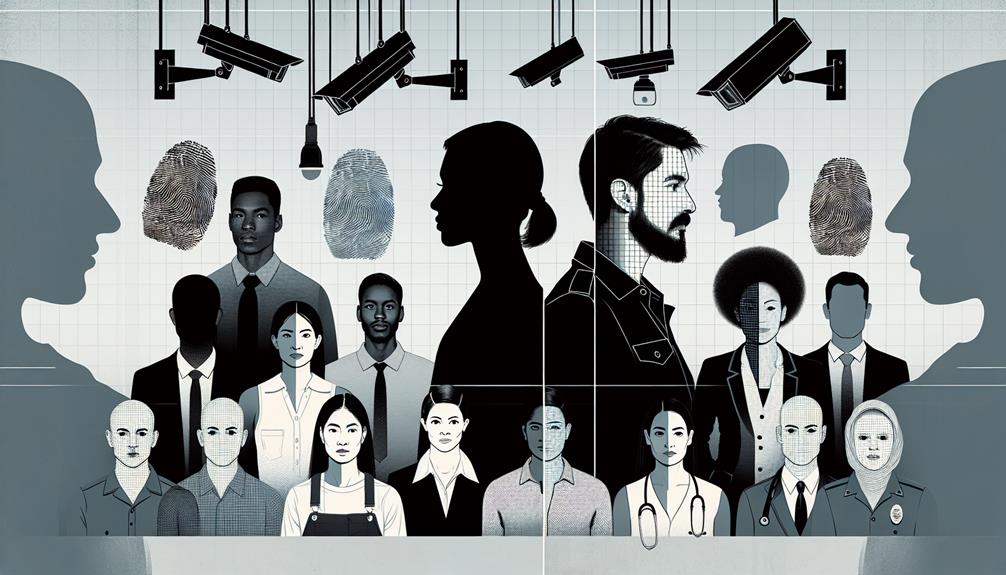
Public comfort with facial recognition hinges on understanding its use not just in law enforcement, but also in broader government contexts and diverse applications. Primary factors influencing public attitudes include privacy concerns and the potential for misuse.
Remarkably, facial recognition technology is employed in non-law enforcement settings like airport security and customs control. This exposure can shape public perception, as people might feel more comfortable with targeted applications compared to widespread government surveillance.
Government agencies, including U.S. Customs and Border Protection (CBP), use facial recognition for identity verification in air travel and other public settings. Interestingly, demographic factors such as education level and age can also impact comfort levels with facial recognition technology.
Cybersecurity and Privacy Challenges
Facial Recognition in Targeted Monitoring
Cybersecurity and Privacy Challenges
In safeguarding facial recognition data, I find critical cybersecurity vulnerabilities emerge due to the vast collection and storage of sensitive biometric data. This raises significant privacy challenges, as the technology can be misused for unauthorized tracking and surveillance. Key risks include:
- Data Breaches: Faces are fundamentally unique and can't be encrypted, making them vulnerable to unauthorized access.
- Fraudulent Profiles: Malicious actors can create synthetic profiles using stolen data, leading to identity theft.
- Deepfake Attacks: Advanced spoofing techniques like deepfakes can manipulate facial data, increasing the potential for false positives.
Robust measures are necessary to ensure the security of facial recognition systems and prevent their misuse. This includes implementing strict access controls, strong encryption, and ongoing security audits to detect and remediate potential threats.
Effective cybersecurity and privacy measures are critical to maintaining trust in targeted monitoring applications that rely on facial recognition technology. By addressing these challenges, we can mitigate the risks associated with facial recognition technology and guarantee a safer, more reliable, and more respectful use of such systems.
Regulations and Proposed Solutions
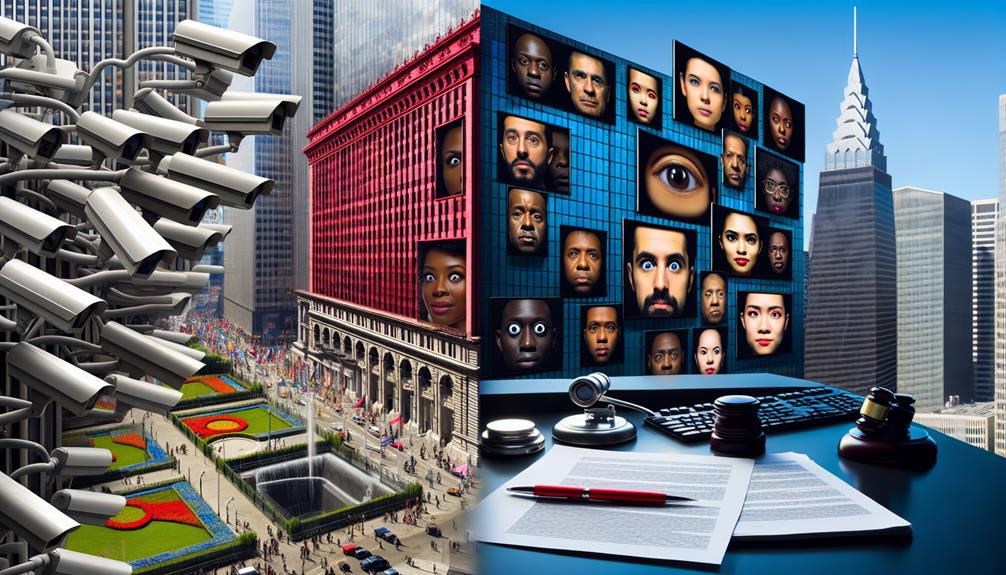
As the use of facial recognition technology continues to evolve, it's essential that we address the vital aspects of preventing misidentification, implementing robust data privacy measures, and achieving effective regulatory enactment.
These focal points are pivotal to ensuring that facial recognition is used in a responsible and equitable manner that doesn't compromise individual privacy or perpetuate harmful biases.
Preventing Misidentification
Preventing Misidentification in Facial Recognition Technology ####
Proposed regulations and innovative solutions are being developed to reduce the risks of facial recognition technology misidentification, ensuring that this powerful tool benefits society without undermining trust and causing harm.
As the technology becomes increasingly embedded in our daily lives, there's a growing need to address accuracy concerns and minimize the potential for misidentification.
Key Measures to Prevent Misidentification:
- Enhanced Transparency: Implementing strict guidelines for data collection and ensuring transparency in algorithm development.
- Regular Auditing: Conducting regular audits to assess the accuracy of facial recognition systems and identify areas for improvement.
- Robust Regulatory Oversight: Establishing and enforcing standards that prevent misidentification and protect individuals from wrongful arrests and privacy violations.
Data Privacy Measures
Data privacy measures, including stricter regulations and proposed solutions, are necessary for guaranteeing that facial recognition technology is used ethically and responsibly without compromising individuals' privacy rights. To achieve this, considerable focus is given to protecting personal information and maintaining transparency in the handling and storage of facial recognition data.
One such measure is the implementation of clear restrictions on surveillance technologies to safeguard individuals' rights and prevent potential misuse. Increased training for law enforcement agencies is also essential to prevent unfair profiling and enhance their understanding of the technology.
Greater accountability and oversight mechanisms are crucial to guarantee the appropriate and ethical use of facial recognition in monitoring applications. Additionally, concrete steps are needed to address ongoing privacy concerns and protect individuals from potential injustices related to facial recognition technology.
Federal privacy protections with prescriptive guardrails are necessary for maintaining the balance between security and privacy in facial recognition monitoring. By implementing these measures, we can ensure the ethical and responsible use of facial recognition technology.
Regulatory Enactment
Regulatory enactments are critical to striking a balance between the benefits of facial recognition technology and the protection of individual privacy rights in targeted monitoring applications. These enactments provide ethical guidelines to guarantee that facial recognition is used responsibly and ethically.
For instance, proposed solutions include measures to regulate the collection and processing of sensitive biometric data, as well as the use of facial recognition technology in law enforcement.
Key Regulatory Components:
- Guidelines and Oversight: Establishing clear guidelines for the ethical and legal use of facial recognition technology, with robust oversight mechanisms to ensure adherence.
- Privacy Protections: Implementing federal privacy protections with proscriptive guardrails to safeguard personal data in facial recognition applications.
- State-level Data Privacy Laws: Enacting state-level data privacy laws, such as those in California, Colorado, and Virginia, which grant residents rights to access and delete personal information in targeted monitoring contexts.
Future of Facial Recognition Surveillance
Widespread integration of facial recognition technologies in targeted monitoring ushers in a new era of enhanced precision, as advanced AI algorithms bolster accuracy and security in various commercial and public safety applications.
As these facial recognition systems continue to advance, I can expect significant improvements in real-time analysis of customer behavior and preferences. This, in turn, enables businesses to tailor marketing strategies more effectively based on demographic data collected through facial recognition. With the ability to provide personalized customer experiences, engagement is naturally heightened.
Advanced AI algorithms play a pivotal role in this future, enhancing both accuracy and security. As surveillance capabilities grow, facial recognition surveillance will become increasingly sophisticated. In targeted monitoring, businesses can leverage this technology to optimize advertising campaigns and increase sales through targeted marketing.
The future of facial recognition surveillance promises advanced real-time monitoring and even more precise targeting of advertisements. With the ability to track behavior and preferences, businesses can create highly personalized customer experiences, leading to significant boosts in engagement and sales.
Frequently Asked Questions
Why Is Facial Recognition Useful?
Facial recognition technology provides seamless security through identity verification and access control, enhancing customer experience with personalized marketing, while effectively tracking attendance and preventing crime, all while protecting privacy and ensuring responsible use.
What Is the Role of Facial Recognition System in Surveillance Systems?
As a surveillance professional, I deploy facial recognition systems to enhance security by accurately identifying individuals, addressing privacy concerns, and ensuring ethical considerations while utilizing biometric identification to support law enforcement efforts effectively.
What Is the Potential Risk of a Data Being Used for Facial Recognition Purposes?
As I evaluate facial recognition technology, I realize that data used for this purpose carries significant privacy concerns, ethical implications, and potential misuse risks, including security breaches, discrimination issues, and severe legal implications.
What Is the Purpose of Face Detection?
Face detection serves various purposes, inclusive of identity verification, access control, security enhancement, personalized marketing, attendance tracking, emotion detection, and law enforcement to guarantee seamless and accurate facial recognition processes.