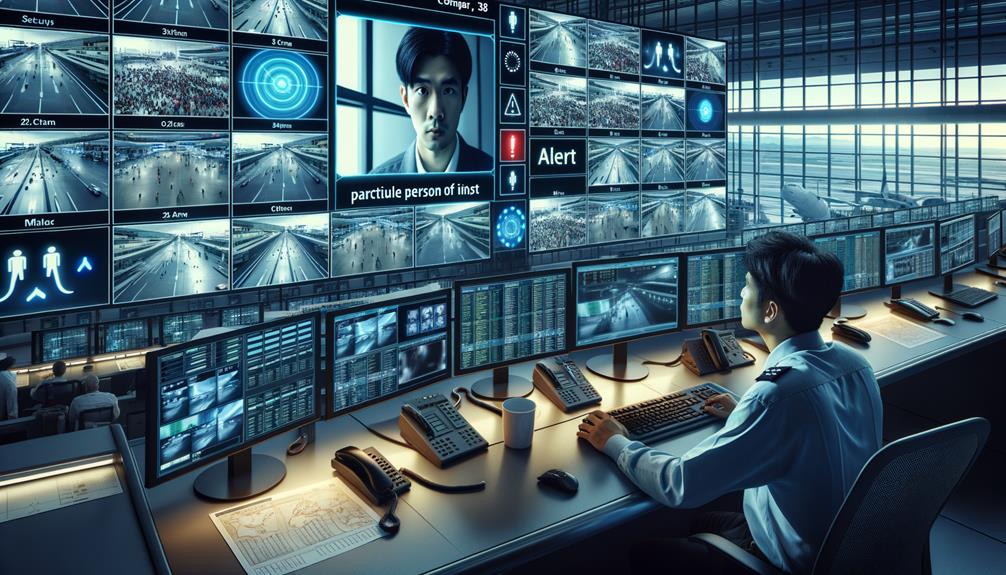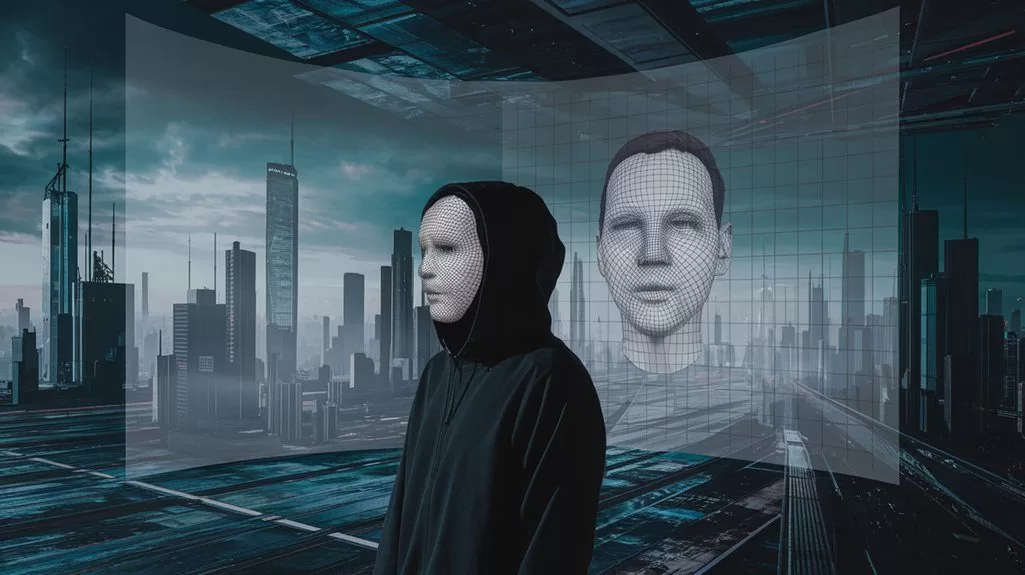


Facial recognition technology has revolutionized the surveillance industry by enhancing the speed, accuracy, and efficiency of identification processes. It automates and accelerates law enforcement actions, reduces manual monitoring needs, and provides real-time monitoring capabilities. Facial recognition also integrates well into surveillance systems, ensuring swift responses to security threats. Additionally, it enhances crime prevention, permits efficient access control, and aids in detecting potential threats in real-time. This technology streamlines law enforcement, allowing rapid suspect identification with high accuracy rates. These advancements in biometric identification are transforming the industry, and as these innovations continue to evolve, the impact on surveillance will only continue to grow.
Key Takeaways
- Enhanced Identification Precision: Facial recognition technology increases the speed and accuracy of identifying individuals in surveillance footage.
- Automated Surveillance Efficiency: Facial recognition automates the identification process, reducing manual monitoring needs and leading to faster response times.
- Real-time Monitoring: Facial recognition tracks and identifies individuals instantly in public spaces, enhancing crime prevention efforts and swiftly identifying suspects.
- Improved access control: Facial recognition revolutionizes access control with quick and accurate identification methods, reducing unauthorized entry threats.
- Boosted Law Enforcement Efficiency: Facial recognition technology enhances law enforcement actions through rapid suspect identification, increased accuracy in identifying faces, and streamlined surveillance integration.
Revolutionizing Identification Process
Facial recognition revolutionizes the identification process, transforming the way we verify identities by accurately matching faces in real-time. This technology has greatly enhanced the speed and precision of law enforcement actions, allowing authorities to quickly identify and track suspects, thereby bolstering public safety and crime prevention efforts.
Whether at border control checkpoints or high-security areas, facial recognition systems streamline identification procedures, swiftly verifying the identities of individuals, which in turn boosts overall security. Notable applications include its use in policing, where it aids in surveillance by expeditiously identifying individuals captured in images or video footage, further supporting investigators in their endeavors to solve crimes.
In particular, the technology's effectiveness is evident in its ability to both prevent and respond to crimes with heightened efficiency. Its integration into aerial surveillance systems, such as drones, expands the scope of surveillance capabilities, making it an essential tool for authorities tasked with maintaining public safety.
Enhancing Security Efficiency
By automating the identification process, facial recognition technology greatly enhances security efficiency, thereby reducing the need for manual monitoring and leading to faster response times to potential security threats. This technology revolutionizes surveillance by improving accuracy, streamlining operations, and modernizing safety protocols.
Some key benefits of integrating facial recognition technology into security systems include:
Quicker Identification: Facial recognition technology can rapidly analyze video feeds and compare them to known individuals, cutting down response times significantly.
Enhanced Accuracy: The automation of identification eliminates human error, ensuring that individuals are correctly identified and minimizing the risk of false positives or false negatives.
Efficient Analysis: Facial recognition technology can analyze large amounts of data far more efficiently than manual monitoring, freeing up personnel to handle more critical tasks.
Seamless Integration: Facial recognition technology can be seamlessly integrated with access control systems to enhance security measures, ensuring that sensitive areas are more secure.
Real-time Monitoring Capabilities

When utilizing facial recognition technology for surveillance, I've seen firsthand how real-time monitoring greatly enhances surveillance efficiency.
In public spaces, this technology can track and identify individuals instantly, reducing response times and enhancing crime prevention efforts.
Real-time monitoring capabilities in facial recognition systems make it possible to quickly and accurately identify suspects in crowded areas, improving public safety generally.
Enhanced Surveillance Efficiency
Integrating facial recognition technology into surveillance systems greatly bolsters real-time monitoring capabilities, ensuring swift and precise responses to potential security threats and fostering enhanced efficiency in high-stake environments.
When it comes to surveillance efficiency, facial recognition technology is a game-changer. It allows for:
- Instant Identification: Facial recognition systems can instantly identify individuals, facilitating a rapid response to potential security threats.
- Efficient Data Analysis: These systems can quickly process large amounts of data, making them ideal for high-security settings like airports and government facilities.
- Enhanced Crime Prevention: By monitoring crowded areas in real-time, facial recognition technology aid in crime prevention and public safety.
- Increased Deterrence: The presence of this technology serves as a deterrent, discouraging criminal activity and promoting a safer environment.
Faster Suspect Identification
Facial recognition technology accelerates suspect identification in surveillance operations through real-time monitoring, enabling security personnel to respond swiftly and decisively to emerging threats. This capability significantly enhances the efficiency and effectiveness of surveillance efforts.
| Capacities of Facial Recognition | Benefits in Surveillance |
|---|---|
| Real-time Monitoring | Immediate Alerts & Responses |
| Faster Suspect Identification | Enhanced Public Safety |
| Enhanced Law Enforcement Capabilities | Improved Prevention of Crimes |
| Quality Surveillance | Enhanced Efficiency and Effectiveness
Improved Public Safety
Real-time facial recognition capabilities greatly enhance public safety by swiftly detecting and identifying individuals of interest, missing persons, and potential threats in crowded areas. This technology significantly bolsters the efficiency of law enforcement agencies by providing immediate alerts and facilitating faster response times to security incidents.
Enhanced public safety is achieved through the rapid detection of suspects and missing persons, which has been vital in preventing crimes and saving lives.
Key Advantages of Real-Time Facial Recognition:
- Enhanced Surveillance: Real-time monitoring allows law enforcement agencies to closely observe public areas and swiftly respond to potential threats.
- Faster Suspect Identification: Facial recognition technology rapidly matches faces against databases, ensuring quick identification of individuals of interest.
- Proactive Crime Prevention: Real-time monitoring aids in crime prevention by alerting security personnel to suspicious activities or persons in monitored locations.
- Community Safety: Facilitates faster response times to security incidents, contributing to a safer environment for communities and businesses.
Facial Emotion Recognition Capabilities
As I examine the facial emotion recognition capabilities integrated into modern surveillance systems, I consider the significant improvements in emotion detection accuracy.
This technology allows for the real-time assessment of emotional cues, thereby enhancing surveillance effectiveness.
However, the substantial privacy concerns accompanying these advancements can't be overstated.
Emotion Detection Accuracy
Advanced facial emotion recognition tools can now achieve remarkable accuracy, demonstrating capabilities that greatly enhance a range of applications where understanding human emotions is essential. This accuracy is essential in surveillance, where identifying emotional states in real-time can greatly improve security and response.
Key aspects of emotion detection accuracy in facial recognition include:
- Emotion Detection Range: Advanced algorithms can detect a wide array of emotions, including happiness, sadness, anger, surprise, and disgust.
- Micro-Expression Analysis: Facial emotion recognition technology can analyze subtle facial cues like micro-expressions to determine a person's emotional state.
- Real-Time Identification: Some facial recognition systems can accurately pinpoint emotional states in real-time, enabling applications in customer service, healthcare, and security.
- Enhanced Surveillance: Emotion detection capabilities in facial recognition can assist in understanding customer sentiment, improving personalized experiences, and enhancing security measures.
Surveillance Enhanced/Privacy Concerns
Facial emotion recognition capabilities in surveillance systems raise new privacy concerns, as they can track and analyze individual emotional states in real-time without explicit agreement. This technology can potentially identify emotional cues, such as happiness, anger, or fear, which could be used for marketing purposes or even to detect security threats. However, the use of this technology in public spaces raises questions about individual privacy and its ethical implications.
Facial recognition technology can capture facial expressions and analyze them using machine learning algorithms to categorize emotions. The collected data could be shared or stored without user knowledge or consent, further escalating privacy concerns. As the accuracy of emotion detection varies based on factors like lighting conditions and camera quality, the potential for false judgments is high.
It's essential to establish clear regulations on the use of this technology to protect individual privacy rights and make sure that it isn't misused for invasive purposes.
Efficient Access Control Systems

Enhanced security measures have led me to rely on facial recognition technology to implement efficient access control systems that maximize security and convenience. Facial recognition has revolutionized access control by providing quick and accurate identification methods that allow authorized individuals to enter without the need for keys, cards, or PINs.
These systems are more robust and secure than traditional methods, notably reducing unauthorized entry threats.
Benefits of Facial Recognition in Access Control
- Efficient Identification: Facial recognition accurately processes identification in seconds, ensuring minimal delays.
- Reduced Risk: Contactless entry methods eliminate the risk of lost or stolen keys and reduce physical contact, aligning with post-COVID safety protocols.
- Streamlined Management: Facial recognition technology simplifies access management, allowing remote enrollment and reduced ongoing operational costs.
- Enhanced Safety: Advanced security measures with facial recognition technology notably improve overall safety and reduce the risk of unauthorized entry.
Protecting Public Spaces Securely
In the world of surveillance, facial recognition technology has revolutionized the way we monitor and secure public spaces. By accurately identifying individuals in real-time, these intelligent face identification systems enable us to respond swiftly to potential threats, greatly enhancing overall public safety.
As we examine enhanced public spaces surveillance, it's clear that facial recognition plays a crucial role in protecting our communities.
Enhanced Public Spaces Surveillance
Optimizing public spaces surveillance through cutting-edge technologies is essential for guaranteeing the security and safety of citizens in urban areas. As I explore the surveillance industry, it becomes apparent that facial recognition technology plays a crucial role in enhancing public spaces surveillance.
The integration of facial recognition software within surveillance systems allows for real-time monitoring and identification, which greatly aids in detecting potential threats or security incidents. This advanced technology assures precise and rapid recognition of individuals, even in crowded environments such as airports, stadiums, and transportation hubs.
Key Benefits of Facial Recognition for Public Spaces Surveillance:
- Improved Precision: Facial recognition minimizes human error in identification, ensuring that individuals are accurately recognized.
- Enhanced Public Safety: The technology quickly responds to security incidents, ensuring prompt interventions to prevent harm.
- Proactive Monitoring: Facial recognition enables proactive surveillance, allowing for immediate action against potential threats.
- Efficient Situational Awareness: The technology provides real-time information on individuals of interest, enhancing overall situational awareness.
Intelligent Face Identification Systems
By leveraging facial recognition technology to power intelligent face identification systems, we can further strengthen public spaces against security threats, fostering a safer and more attentive atmosphere for all. Advanced facial recognition algorithms enable these systems to quickly scan and match faces against watchlists, enhancing surveillance efficiency. This technology helps prevent crime and improves public safety by providing real-time alerts for potential threats. Face identification systems play a vital role in securing high-traffic areas like airports and stadiums, keeping both visitors and security personnel safer.
In today's digital age, facial recognition has become an essential tool in ensuring public safety. By integrating these systems into existing surveillance infrastructure, law enforcement can respond promptly to security breaches and prevent incidents. The technological capability of facial recognition algorithms ensures that threats are detected promptly, minimizing the risk of harm to individuals and properties.
Streamlining Law Enforcement

The widespread adoption of facial recognition technology has greatly streamlined law enforcement operations, enabling agencies to rapidly identify and apprehend suspects in a more efficient and effective manner. With the ability to quickly compare biometric data against vast databases, investigators can now focus on higher-value tasks, such as analyzing evidence and building cases.
Reduced Investigation Time: Facial recognition slashes the time spent on identifying suspects, allowing investigators to move more quickly through the investigative process.
Increased Accuracy: By leveraging advanced machine learning algorithms, facial recognition systems can accurately identify faces even with partial or low-quality images.
Enhanced Surveillance: Facial recognition technology seamlessly integrates with surveillance systems, enabling real-time monitoring and tracking of individuals in public spaces.
Improved Public Safety: Law enforcement agencies using facial recognition technology have reported increased efficiency in identifying and apprehending criminals, which directly contributes to enhanced public safety.
Data Protection Concerns
When facial recognition technology is integrated into law enforcement agencies, significant privacy concerns arise. These concerns require robust safeguards against the misuse of highly personal data. Data Protection Concerns:
| Issue | Impact | Risk |
|---|---|---|
| Collection of Biometric Data | Intrusiveness in Personal Life | Identity Theft |
| Unauthorized Access | Privacy Breaches | Surveillance Without Consent |
| Data Breaches | Unauthorized Data Sharing | Personal Freedom Erosion |
| Lack of Transparency | Misuse by Authorities | Judicial Errors |
| Inadequate Regulations | Unchecked Surveillance | Totalitarian Control |
I am compelled to emphasize the urgency of addressing these data protection concerns. Strict regulations, such as the GDPR in Europe, must be enforced to guarantee that privacy and protection are upheld. Businesses and governments alike must respect the delicate balance between security and individuals' privacy. As facial recognition technology continues to seep into surveillance applications, these privacy issues become imperative to address, lest we cross a line into an Orwellian world where individual rights are trampled.
Ensuring Ethical Surveillance

I believe that maintaining ethical surveillance with facial recognition technology is essential, as it safeguards against infractions on fundamental rights and promotes a culture of accountability.
To achieve this, several key steps must be taken:
- Implement unbiased algorithms: Developing facial recognition systems with algorithms that are free from inherent biases towards specific demographics is important. This guarantees fair and equal treatment for all individuals, regardless of race, gender, or ethnicity.
- Establish strict oversight mechanisms: Regular audits and evaluations of facial recognition systems are necessary to identify and address any potential ethical issues or biases in surveillance operations.
- Prioritize transparency: It's crucial to ensure transparency in data collection and usage, fostering trust with the public and enhancing the ethical framework of surveillance practices.
- Foster collaboration: Collaboration with ethicists, legal experts, and community stakeholders is essential in developing ethical standards for facial recognition in surveillance.
Biometric Identification Accuracy
Facial recognition technologies have made remarkable strides in achieving high accuracy rates across various demographic groups, greatly minimising errors and inaccuracies. Thanks to rigorous evaluations by the National Institute of Standards and Technology (NIST), it's clear that cutting-edge facial recognition algorithms can successfully identify individuals with differing sexes, ages, and ethnicities with incredible precision.
For instance, in my analysis of NIST's reports, I've found that leading technologies consistently reach accuracy rates above 99.5% across the board. This trend demonstrates significant advancements in mitigating inaccuracies, especially among demographic subsets historically plagued by errors.
These improvements can be attributed to the persistent commitment of algorithm developers to refine their systems, acknowledging and addressing the nuance of demographic effects. By doing so, even the least accurate algorithms in NIST's tests still exhibit high performance.
This collective effort toward defect reduction has a profound impact on the surveillance industry, where reliable facial recognition is pivotal.
Frequently Asked Questions
What Is the Role of Facial Recognition System in Surveillance Systems?
As a surveillance expert, I utilize facial recognition systems to accurately track individuals in real-time, ensuring public safety. However, I acknowledge privacy concerns, inconsistent accuracy rates, and the need for secure data storage to prevent social implications.
What Is a Beneficial Effect of Facial Recognition?
Using facial recognition technology enhances security and reduces fraud due to accurate identification, efficient tracking, and privacy protection, providing me with a safeguarded environment.
What Is the Positive Impact of Facial Recognition in Law Enforcement?
I leverage facial recognition to substantially enhance crime prevention by rapidly identifying suspects and ensuring public safety through swift evidence collection, allowing for efficient and effective rapid responses to security threats.
How Does Facial Recognition Improve Security?
'In my view, facial recognition greatly enhances security by improving biometric identification and real-time tracking, strengthening access control, and detecting potential threats, all while balancing privacy concerns.'