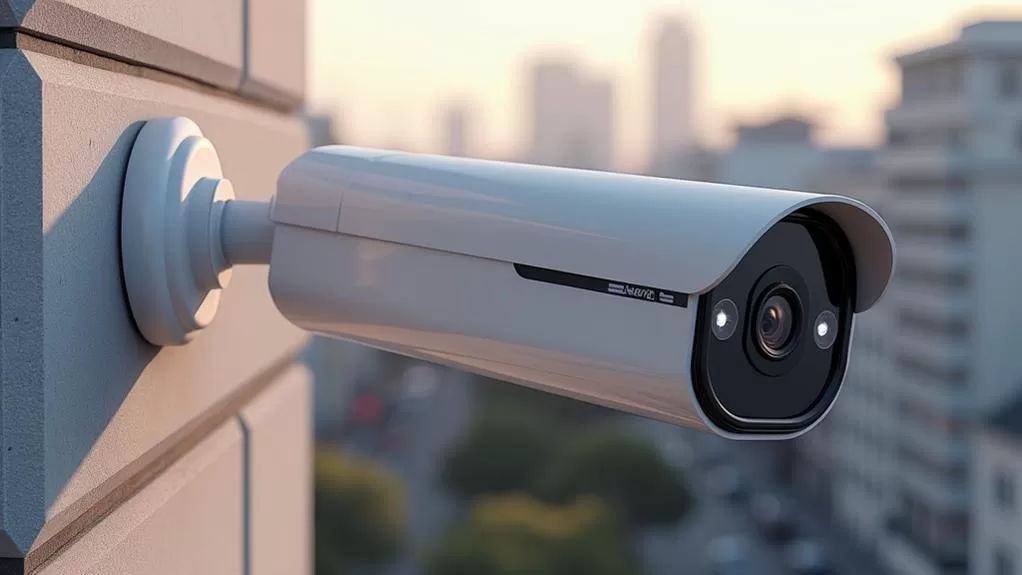
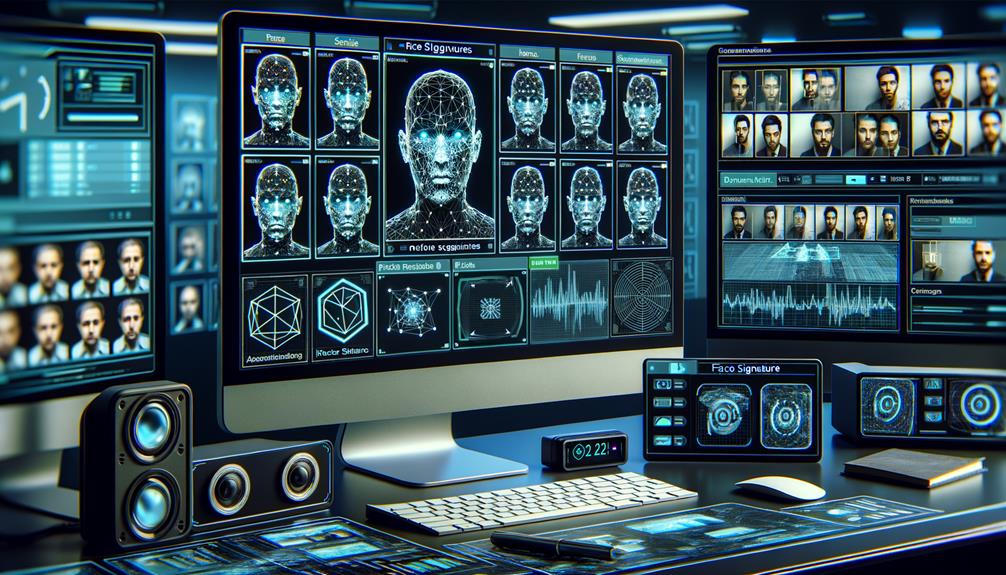

When it comes to leveraging facial recognition for enhanced surveillance, I rely on the best cameras and software vendors for top-tier performance. For me, the top facial recognition cameras are Lorex and ADT systems, with excellent SecureScores and advanced features like Smart Motion Detection. On the software front, prominent vendors like Amazon Rekognition and BioID offer advanced face detection and AI insights. Key features to look for include real-time alerts, facial landmarks analysis, and biometric verification. Integrity, encryption, and user consent are essential considerations for choosing the right software.
Key Takeaways
- Spot AI offers AI-based video analytics for surveillance including face recognition and real-time event alerts.
- Clarifai enables customer behavior insights and facial recognition capabilities for access control and business intelligence.
- Innovatrics provides facial recognition technology that works through sophisticated algorithms combining digital images and video frames with high accuracy.
- Gorilla Technology offers AI-based video surveillance solutions with facial recognition, vehicle analysis, and intrusion detection features.
- IntelliVision provides innoVi, a video analytics solution capable of real-time video analysis, video search, and business intelligence insights.
Best Facial Recognition Cameras
As I explore the world of facial recognition cameras, I find that several models stand out for their advanced features and reliability. High-performance security is now just a camera away.
The Lorex Outdoor Camera and ADT systems are exceptional in this field, boasting SecureScores of 9.2 and exceptional monitoring capabilities. The Lorex 4K Outdoor Camera shines with its impressive feature set, including Smart Motion Detection for precise alerts. Meanwhile, ADT excels with its top-tier monitoring services and high-quality equipment.
If budget is a concern, the Wyze Cam v3 offers excellent value with a SecureScore of 8.7 and robust features. For those seeking seamless integration with their systems, the Nest Cam stands out thanks to its exceptional smart home integration with a SecureScore of 8.5.
Lastly, the eufyCam3 is another solid choice, featuring two-way audio and a SecureScore of 8.1. These facial recognition cameras are equipped with deep learning algorithms to guarantee high accuracy, providing real-time notifications and capturing valuable biometric data to integrate with your existing video surveillance systems.
Top Facial Recognition Software Vendors
When selecting facial recognition software for video surveillance, I consider key features like accuracy, compliance, and robustness against spoofing attacks. These factors are pivotal in ensuring the reliability and trustworthiness of the technology.
Key Features Consideration
I'll carefully weigh the features of prominent facial recognition software vendors, including those offered by Amazon Rekognition, BioID, Paravision, Cognitec, and Luxand, to guarantee the selection of the most appropriate technology for video surveillance applications.
When evaluating these vendors, I'll focus on the following key features:
- Advanced Face Detection: How effectively can each system detect faces, even with variations in angle, lighting, and expression? This is important for seamless biometric verification.
- AI-Powered Insights: Do the solutions offer real-time analytics for monitoring and filtering purposes? Advanced AI algorithms can enhance the accuracy and speed of facial recognition.
- Integration Capability: Can the systems be integrated with existing security cameras and video management platforms? Seamless integration is vital for efficient video surveillance.
Accuracy and Compliance
The best facial identification software vendors deliver exceptional precision and compliance standards, making them ideal for various video monitoring applications. Implementing facial recognition systems in surveillance cameras requires a high level of accuracy to guarantee efficient and secure operations. Top vendors like Amazon Rekognition, BioID, Paravision, Cognitec, and Luxand excel in this aspect, with advanced AI algorithms that promise reliable identification processes.
Accurate facial identification systems are essential for efficient security and surveillance. To achieve this, these top vendors incorporate robust biometric technology, including liveness detection. This feature prevents spoofing attacks and ensures that only real individuals are detected. Additionally, these vendors strictly adhere to data protection regulations, guaranteeing that sensitive information is handled securely.
In video surveillance, compliance with data protection regulations is of utmost importance. By using facial identification systems from trusted vendors, organizations can maintain high standards of security and surveillance while guaranteeing compliance with regulations.
Key Features of Recognition Software

Specifically designed facial recognition software offers a constellation of advanced features to enhance security and surveillance. These features include face detection, emotion detection, age and gender detection, liveliness detection, and face matching. These are vital for video management, ensuring high accuracy and efficiency in identifying individuals from security footage.
Facial Landmarks Analysis: This feature uses neural networks to analyze facial features, such as eye and mouth contours, allowing for precise and reliable identification.
Real-Time Alerts: Facial recognition software can send instant alerts when a match is found, ensuring swift response to potential security threats.
Biometric Identity Verification: Advanced algorithms, like Face++ from Megvii, verify identities by comparing facial features to stored templates, ensuring the highest level of accuracy and security.
These key features empower video surveillance systems, providing real-time insights and highly accurate identification capabilities to effectively maintain security and control within various environments.
Considerations in Choosing Software
When choosing facial recognition software for video surveillance, I prioritize accuracy and performance to guarantee reliable identification.
Integration and deployment capabilities are also vital to guarantee seamless and efficient system deployment and operation.
Accuracy and Performance
Facial recognition software selection requires careful evaluation of accuracy and performance criteria to guarantee reliable and efficient video surveillance applications. As I explore the various considerations, I realize that accuracy ratings are essential. Top vendors like Amazon Rekognition and Kairos are known for their high accuracy levels, ensuring that faces are correctly identified even under varying conditions.
Accuracy and Performance Highlights:
- Speed: Opt for software that can process large volumes of data quickly to ensure smooth surveillance.
- Scalability: Select software that can scale with your increasing security needs, handling additional cameras and data without compromising performance.
- Security: Implement software with robust security measures to protect sensitive data and prevent unauthorized access.
Both Amazon Rekognition and Microsoft Azure Face API are renowned for their real-time performance and scalability, making them ideal choices for video surveillance. However, it's vital to guarantee these systems are integrated with ethical frameworks and privacy protection measures to mitigate biases and ensure reliable performance.
The user experience also matters; seamless integration with existing security systems and user-friendly interfaces are essential for optimal performance and user acceptance.
Integration and Deployment
Looking deeper into integration and deployment considerations, it becomes clear that selecting the right facial recognition software involves weighing factors that guarantee smooth integration with existing infrastructure. Best facial recognition software solutions should be capable of smoothly integrating with current video management systems (VMS) and IP cameras, ensuring minimal disruption to operations.
Deployment options also play a significant role, as organizations may opt for cloud-based or on-premise solutions depending on their specific needs. Scalability is equally essential, as the software should be able to accommodate growing demands.
In addition, features such as real-time event detection and automatic data extraction are essential for maximizing the efficiency of the surveillance operations.
When evaluating solutions, I make certain that the chosen software supports smooth integration with third-party systems to enhance its capabilities. This comprehensive approach ensures that the facial recognition system aligns with my strategic goals for security and efficiency.
Privacy and Compliance
As I navigate the increasingly intricate landscape of facial recognition technology for video surveillance, privacy and compliance considerations become essential to selecting software that upholds stringent standards on data management and user consent.
It's vital to prioritize software that robustly addresses the ever-evolving regulatory environment and provides transparent data handling practices to guarantee accountability and trust.
3 Key Considerations:
- Data Encryption: Confirm the software encrypts facial recognition data to prevent unauthorized access.
- User Consent: Choose software that incorporates user consent management, enabling individuals to opt-out or restrict the use of their facial data.
- Regulatory Compliance: Opt for software that strictly adheres to privacy regulations like GDPR and CCPA, ensuring legal compliance and minimizing legal risks.
Benefits of Facial Recognition Security

Utilizing advanced sensors and computer vision technology, surveillance systems incorporate facial recognition to enhance security through faster and more accurate identification of individuals. This technology provides multiple benefits to surveillance efforts.
One significant advantage is the ability to issue real-time alerts when identified individuals are detected. This response enables quick action and appropriate measures, making security measures more proactive and effective.
Facial recognition also helps locate suspects quickly and accurately. In various environments, such as workplaces, it guarantees safety by monitoring the use of machinery and enhancing overall control. These advanced identification and access control features are essential in securing access to sensitive areas or facilities.
The benefits of facial recognition security extend not just to surveillance but also to overall operational control. It creates a secure environment by accurately monitoring and recognizing faces, ensuring a higher level of security for both people and assets.
Designing Recognition Surveillance Systems
When designing facial recognition surveillance systems, we must carefully plan the architecture and deployment of the surveillance solution to guarantee maximum effectiveness. This planning involves several key considerations to make sure that the system functions as intended.
A well-designed system starts with selecting the right video sources and strategically placing cameras. These decisions greatly impact the accuracy of facial recognition. Evaluating the existing infrastructure and ensuring hardware compatibility are also vital steps in this process.
To ensure best scalability and performance, we need to:
- Define System Constraints: Determine the types of events and alerts needed, along with the necessary notification settings.
- Select Compatible Hardware: Make sure that video formats (e.g., H.264 or H.265) are supported, and that computing resources (e.g., GPUs) can handle real-time processing.
- Plan for Scalability: Monitor system performance and make adjustments to maintain efficiency as the surveillance setup expands.
Implementation and Updates in Surveillance

Facial identification surveillance systems are constantly updated with improved algorithms and technology to enhance their performance and overcome any challenges in video analysis. These updates guarantee seamless integration with existing systems, which is essential for peak functionality. Regular enhancements in facial identification applications further strengthen security measures and provide efficient video surveillance.
Real-time identification and monitoring capabilities are key benefits of these surveillance systems. As systems continue to evolve, they address emerging security challenges and improve their video analysis capabilities. This means facial identification technology is continually refined to deliver accurate and reliable results. Effective integration is vital, as it allows for instant alerts and swift responses to potential threats.
To maintain the highest levels of security, updates to facial identification technology are constant and far-reaching. Ongoing development ensures that these systems stay ahead of evolving security concerns, providing robust and accurate video surveillance solutions. Through these advances, surveillance systems integrating facial identification technology secure high efficiency and reliability, enabling precise monitoring and swift action.
Frequently Asked Questions
Which Technology Is Best for Face Recognition?
When selecting the best facial recognition technology, I prioritize facial recognition accuracy, ensuring real-time detection in various lighting conditions while addressing privacy concerns.
Does Face Recognition Work With Video?
"Yes, face recognition works effectively with video. It detects faces, analyzes video streams using machine learning, and tracks individuals in real-time against a facial database, ensuring high data accuracy and efficient algorithm performance."
Can Security Cameras Use Facial Recognition?
I utilize facial recognition on my security cameras, considering privacy concerns, accuracy rates, legal implications, and ethical considerations. This technology leverages real-time tracking to identify known individuals, acknowledges potential biases, and integrates facial database management within data storage.
What Are the Best Tools for Face Recognition?
"As I explore the best tools for face recognition, I consider real-time identification, privacy concerns, accuracy rates, AI integration, law enforcement applications, facial database management, facial tracking capabilities, facial matching algorithms, and biometric authentication to deliver robust security solutions."