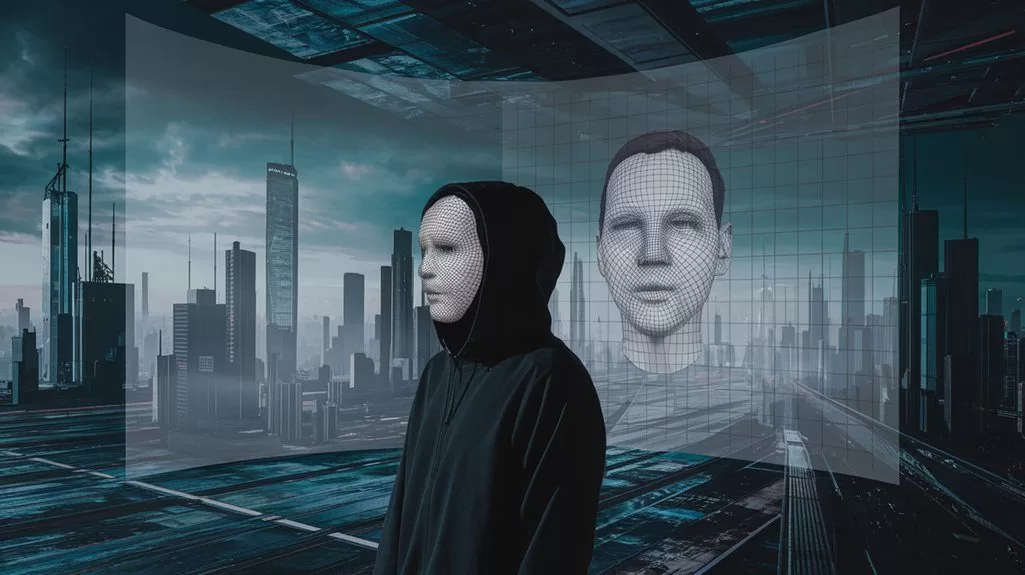


Twenty-one state Attorneys General have called on Congress to ban DeepSeek. Why? It's allegedly an espionage tool by the Chinese Communist Party. Experts say it tracks search histories, stealing user data—so much for privacy! It reportedly transmits this data directly to the Chinese government. Serious data breach, huh? This has sparked concerns about compromising American infrastructure and security. Laws are already in motion to block it on government devices. Curious about the full story?
Key Takeaways
- State Attorneys General assert DeepSeek is a national security risk due to potential data sharing with the Chinese government.
- DeepSeek's AI allegedly tracks user data, including search histories and keystrokes, posing privacy concerns.
- Bipartisan legislation aims to ban DeepSeek on government devices to protect national security.
- The National Security Council is reviewing DeepSeek's technology for potential espionage activities.
- Concerns highlight the need for stronger privacy protections to safeguard consumer data and national interests.
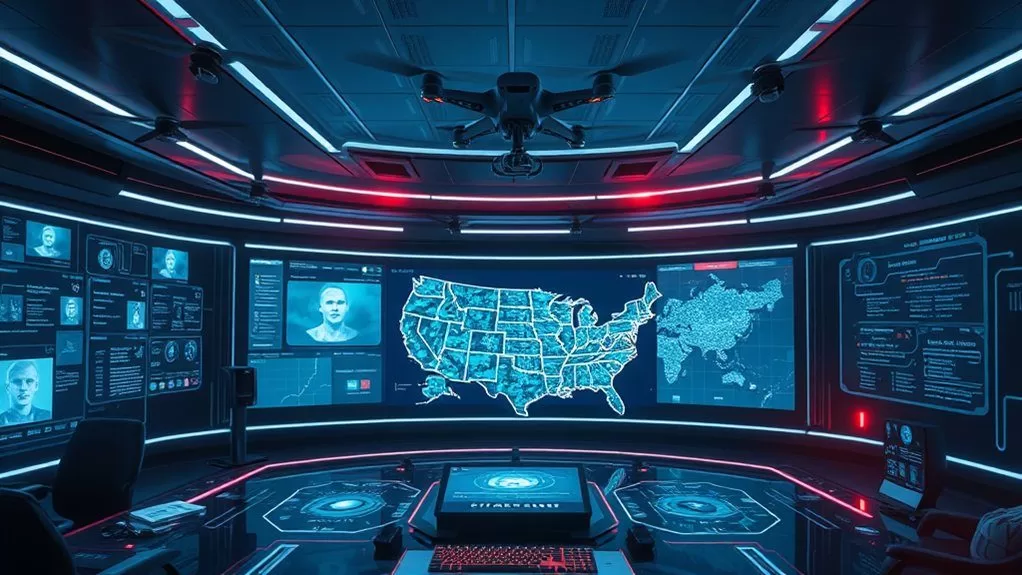
In a dramatic plea to Congress, State Attorneys General from 21 states have called for the complete ban of DeepSeek, a controversial app they describe as a "Trojan Horse" for espionage by the Chinese Communist Party. This collective demand underscores profound worries about DeepSeek's potential to exploit user data. Its AI model can allegedly track search histories and keystroke patterns, sending this treasure trove of information to the Chinese government. National security? Oh, just a minor concern, right?
The National Security Council is already on it, scrutinizing DeepSeek's technology. Meanwhile, the "No DeepSeek on Government Devices Act" has been introduced with bipartisan support. But is it enough? Recent advancements in surveillance technology, such as facial recognition with over 99% accuracy, highlight the importance of ensuring that similar technologies do not pose privacy risks.
State Attorneys General are no strangers to the battlefield of consumer protection, especially regarding privacy legislation. Historically, they've been the knights in shining armor, enforcing data breach laws and advocating for robust privacy measures. In this digital age, consumer privacy isn't just a buzzword—it's a necessity. As of January 28, 2025, DeepSeek's AI model is being reviewed by the National Security Council to assess its implications for national security.
AGs have successfully implemented state privacy laws, enabling consumers to access and control their data. They also work closely with the FTC to enhance privacy law enforcement. Yet, they stress that federal legislation should not override stronger state laws. After all, states with strong privacy protections have been critical in maintaining consumer rights, and why settle for less when you can have more?
DeepSeek's privacy risks are no laughing matter. Its AI capabilities, while impressive, pose significant threats of mass data collection. Hidden code allegedly sends user data to China. Sound familiar? It's a déjà vu moment, reminiscent of the TikTok saga.
Except DeepSeek supposedly uses more advanced methods to collect and transmit sensitive data. Experts warn of compromised American infrastructure and military security. But hey, who needs security when you have convenience, right?
The federal government isn't sitting idly by. The White House, along with Congress, is tackling the national security threat posed by DeepSeek. A bipartisan bill to ban the app on government devices highlights the growing consensus against Chinese technology.
Agencies like the Defense Information Systems Agency and NASA have already blocked DeepSeek access. Even the Department of Defense and the U.S. House of Representatives have issued directives against its use. It's almost as if they care about security. Who would have thought?
In essence, DeepSeek's potential to infringe on privacy and threaten national security cannot be overstated. The call to ban it is not just about consumer protection but safeguarding national interests. Because when it comes to privacy, sometimes, it's better to be safe than sorry.
References
- https://www.hipaajournal.com/15-state-attorneys-general-ask-congress-to-respect-state-privacy-laws/
- https://www.insideglobaltech.com/2025/02/18/u-s-federal-and-state-governments-moving-quickly-to-restrict-use-of-deepseek/
- https://techpolicy.press/data-defenders-how-state-attorneys-general-protect-privacy-in-the-us
- https://www.washingtontimes.com/news/2025/mar/7/state-attorneys-general-urge-congress-ban-deepseek-chatbot/
- https://agstudies.org/publications/the-role-of-state-attorneys-general-in-protecting-consumers-data-privacy/