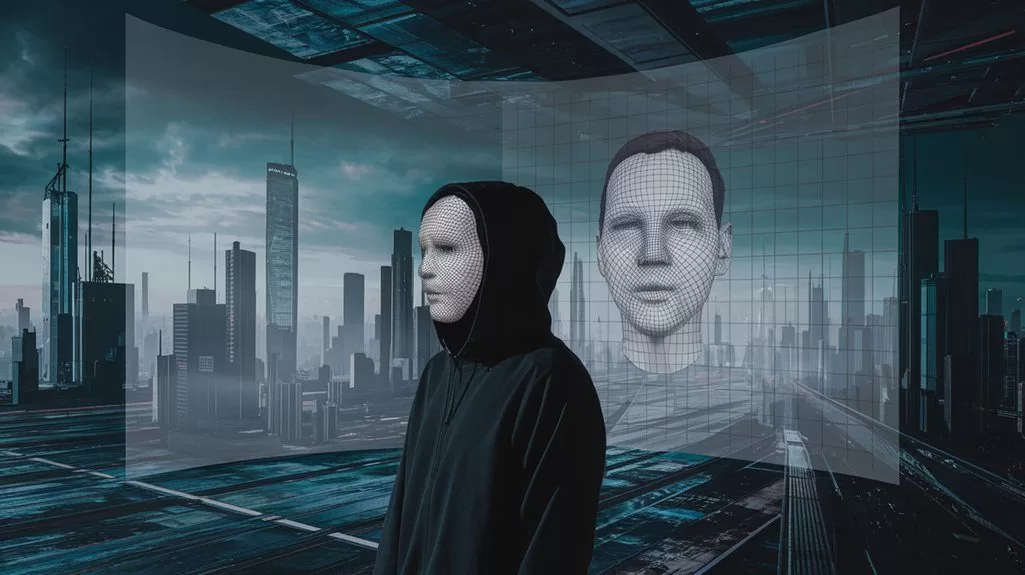


AI-powered facial recognition is stealthily shifting the dynamics of retail surveillance and customer care. It enhances experiences, boosting efficiency by personalizing interactions and deterring theft. Yet, privacy concerns loom large. Nobody wants that eerie Big Brother vibe while shopping. Retailers play a delicate balancing act, juggling innovation and respect for customer privacy. Mistakes in facial recognition are trust-breakers, plain and simple. Curious about how this tech is reshaping the retail world? Keep going.
Key Takeaways
- AI facial recognition tracks customer demographics and emotions, redefining personalized retail experiences.
- Integration with CRM systems allows retailers to build detailed customer profiles for targeted marketing.
- Surveillance innovations improve security and operational efficiency, though raise privacy concerns.
- Customers often feel uneasy with constant monitoring, highlighting trust and ethical issues.
- Smaller retailers face challenges in adopting facial recognition due to high costs and regulatory compliance.

Although the thought of machines recognizing your face in a retail store might sound like a sci-fi dystopia, AI-powered facial recognition is making waves in the retail sector. It's not just a gimmick; it's a full-blown transformation. Retailers are jumping on this high-tech bandwagon to enhance customer experiences and increase operational efficiency.
But let's not pretend it's all rainbows and unicorns. As the global facial recognition market races towards a projected $12.92 billion by 2027, the excitement is palpable. Yet, lurking in the background are some not-so-small concerns—customer privacy and ethical considerations, anyone?
Facial recognition systems now seamlessly integrate with CRM and POS systems. They build extensive customer profiles, supposedly for "personalized" services. Imagine walking into your favorite store and being greeted like royalty because the system recognized you. It sounds great, but what about the eerie feeling of being watched and analyzed? The system knows your shopping history, observes your expressions, and even gauges your satisfaction. Yes, all to improve your shopping experience—or so they say. Retailers analyze customer demographics and emotional responses in real time to provide insights on customer behavior. Furthermore, they leverage artificial intelligence to continuously enhance the accuracy and effectiveness of these systems.
Facial recognition greets you like royalty but watches and analyzes your every move.
On the flip side, retailers tout the benefits. Improved customer service through personalized interactions, increased efficiency by automating security and customer analytics, and enhanced security by deterring theft. They make it sound like a win-win. But don't be fooled. These advancements come with a price. Privacy issues are glaring. Implementation demands transparency and strict compliance with privacy regulations. The centralized databases used in facial recognition systems pose significant data security risks. The data collected is personal, sensitive, and ripe for misuse. And let's not forget the ethical considerations. Consent? Data usage? Minor details, right?
Adding to the list of "perks," facial recognition boosts sales by recommending products based on customer behavior. It's the ultimate sales tactic—understanding your preferences better than you do. Retailers are happy. Customers? Maybe not so much. There's something unsettling about a machine knowing your every move. And what about the reliability of this tech? Mistakes happen. Trust gets shattered.
Sure, the tech optimizes store layouts using customer traffic patterns. It even provides real-time feedback from customer expressions. But let's be honest, not everyone wants their shopping trip analyzed like a psychological experiment. Retailers must address these concerns head-on. High costs limit accessibility for smaller retailers. And regulatory compliance is a moving target, constantly evolving with new laws and standards.
In the end, facial recognition in retail is a double-edged sword. It redefines customer care and surveillance. It's effective, sure, but it's also invasive. Balancing innovation with respect for customer privacy is essential. Retailers, take note.
References
- https://eastgate-software.com/ai-facial-recognition-for-retail-customer-insights/
- https://fitsmallbusiness.com/facial-recognition-in-retail/
- https://keymakr.com/blog/helping-retailers-with-facial-recognition-ai/
- https://pavion.com/resource/how-facial-recognition-is-revolutionizing-retail-security/
- https://www.cyberlink.com/faceme/solution/smart-retail