


The ATF's use of facial recognition AI for gun regulation is a controversial cocktail, promising operational efficiency but clashing with civil liberties. It's under scrutiny for potential racial bias, privacy breach, and surveillance overreach. Critics worry about spotting errors. The lack of federal oversight doesn't help. Regulations are sparse, accountability even more so. Claims of discontinued use contradict ongoing activities. All these stir the pot, and there's more behind the scenes for those intrigued.
Key Takeaways
- The ATF uses facial recognition AI for efficiency, but it raises significant civil liberties and privacy concerns.
- Over 549 searches were conducted by the ATF using facial recognition between 2019 and 2022, sparking controversy.
- Critics argue the lack of federal regulations and transparency in the ATF's use of facial recognition technology.
- Technological limitations, such as accuracy issues and bias, are prevalent in facial recognition systems used by the ATF.
- The ATF's surveillance practices, including potential misuse against lawful gun owners, face scrutiny and ethical debates.
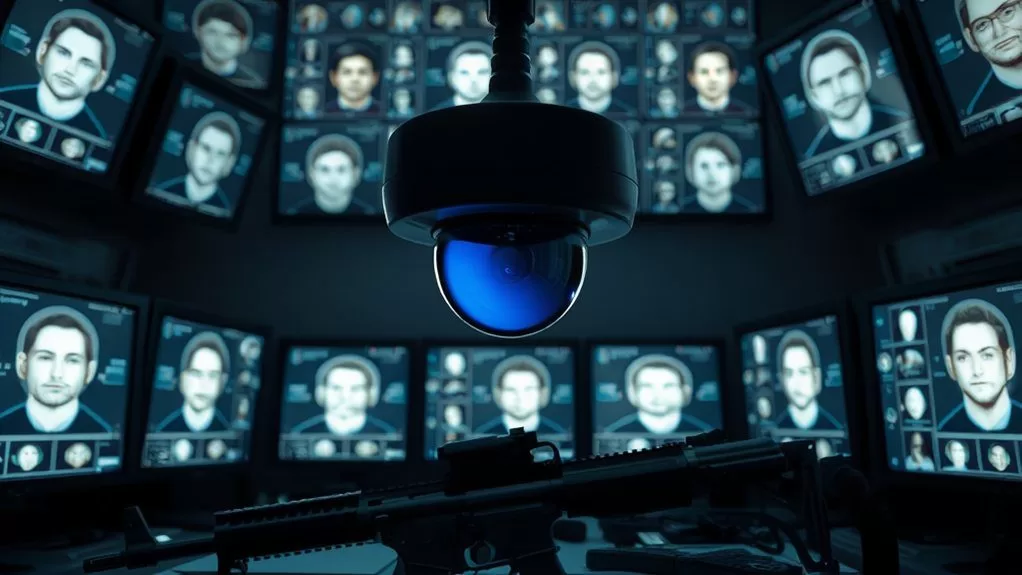
Although facial recognition technology promises efficiency, its use by the Bureau of Alcohol, Tobacco, Firearms, and Explosives (ATF) has sparked a heated debate. With access to systems like Clearview AI and Vigilant Solutions, the ATF is knee-deep in a technological quagmire. The promise of streamlined operations is enticing, yet it tangles with concerns of surveillance ethics and technology accountability. The Government Accountability Office (GAO) reports have highlighted these dilemmas—raising eyebrows and, frankly, some hackles too.
The ATF's foray into facial recognition isn't just about efficiency. It's about power. Between 2019 and 2022, at least 549 searches were conducted, raising alarms over civil liberties and racial disparities. As if accuracy isn't already a sore point, the technology often falters across demographic lines. Yes, folks, it's error-prone, especially with people of color. The chilling effect on constitutional rights? Not just a possibility—it's a reality. Privacy concerns loom large, with biometric data collected sans consent. But who needs consent when technology can bulldoze its way into personal lives?
Power and privacy collide as ATF's facial recognition raises alarms over civil liberties and racial disparities.
Let's not forget the lack of regulation. Federal laws are as scarce as hen's teeth in this arena, leaving technology accountability in the dust. The ATF's expanded surveillance role raises questions—lots of them. Cooperation with federal, state, and local agencies paints a picture of enhanced capabilities, but at what cost? Critics worry about potential misuse, targeting lawful gun owners, and impacting Second Amendment rights. The lack of transparency is the icing on this contentious cake. The Illinois Biometric Information Privacy Act serves as an example of how regulation could address these privacy and accountability concerns.
Technologically, facial recognition is a mixed bag. The vast image databases accessed by the ATF—billions of images from public sources—are both impressive and intimidating. Third-party vendors like Clearview AI and Vigilant Solutions make it all happen, but the technology isn't foolproof. False positives, negatives—pick your poison. Initial lack of training and oversight adds fuel to the fire. Automation bias? Oh, it's lurking, with human analysts sometimes ignoring contradictory evidence. Errors in facial recognition can lead to wrongful arrests and incarceration, disproportionately affecting people of color, highlighting the urgency of addressing these systemic issues.
The ATF's zero-tolerance policy against gun dealers has added more fuel to the fire. Critics see it as overreach, a misuse of surveillance tech. Concerns about misuse aren't just whispers—they're loud, persistent protests. A lack of transparency around the extent and purposes of facial recognition use is concerning, to say the least. In a world where surveillance ethics and technology accountability should be paramount, the ATF's facial recognition saga reads like a cautionary tale. Reports suggest that despite claiming to have halted the use of facial recognition services, the ATF continues to engage with these technologies, further complicating the narrative surrounding its use.
References
- https://www.gunowners.org/is-atf-using-facial-recognition-ai-to-id-gun-owners/
- https://www.aclu-nj.org/en/news/weve-called-total-ban-use-facial-recognition-law-enforcement-heres-why
- https://txgunrights.org/atfs-use-of-facial-recognition-to-track-gun-owners-raises-alarming-concerns/
- https://www.usccr.gov/files/2024-09/civil-rights-implications-of-frt_0.pdf
- https://concealednation.org/2025/02/government-surveillance-how-atf-uses-facial-recognition-on-firearm-owners/