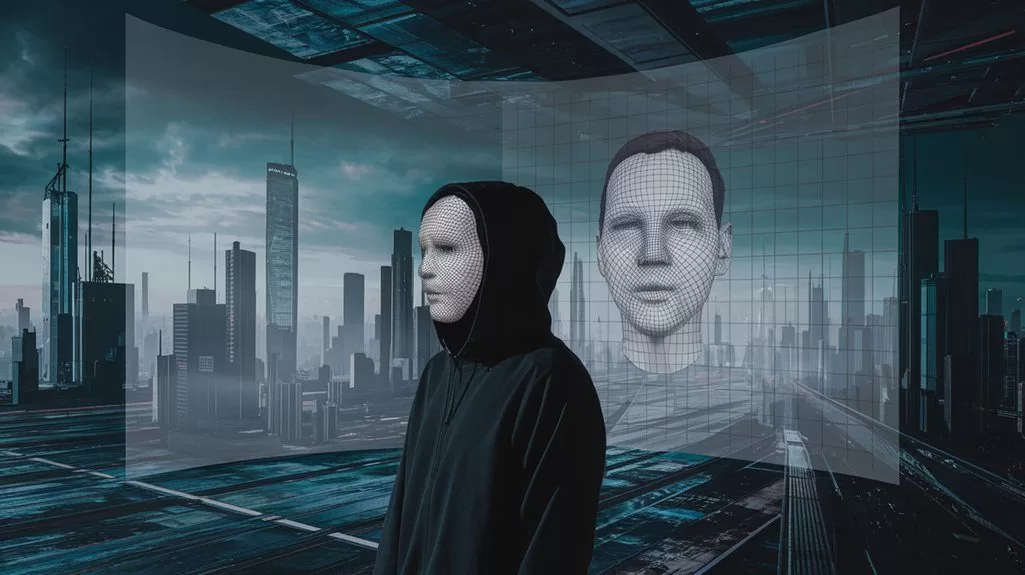


Facial recognition technology integrated into surveillance networks poses significant challenges. As I navigate these systems, inherent biases and the lack of transparency are evident. Misidentification rates are higher for marginalized groups, especially people of color, leading to potential discrimination. This technology can perpetuate existing biases in policing practices. The lack of regulatory oversight makes it difficult to prevent misuse, including constant monitoring, misidentification, and erosion of privacy rights. Privacy and civil liberties are at stake due to these issues.
Key Takeaways
- Widespread adoption raises privacy concerns due to lack of transparency in data collection and storage.
- Surveillance systems misidentify and target marginalized groups, especially communities of color.
- Facial recognition technology has higher misidentification rates for communities of color.
- Misuse of data in facial recognition systems can result in discrimination and profiling.
- Lack of accountability and transparency hinders regulation and enforcement, perpetuating social biases.
Privacy Concerns in Surveillance
As the widespread adoption of facial recognition technology continues, so do concerns about the protection of our privacy within these surveillance networks, a breach of which can incur severe consequences. At the center of these concerns are the lack of transparency in data collection and storage and the inherent bias in facial recognition systems. These biases, often based on racial and ethnic lines, can lead to false arrests and wrongful convictions.
Additionally, the misuse of facial recognition data can result in discrimination and profiling, which can have serious ethical implications. The misuse of facial recognition data also raises significant privacy concerns. If databases containing our biometric information are hacked, it isn't possible to change our facial characteristics, making us vulnerable to identity theft and other forms of exploitation.
Moreover, the constant surveillance inherent in facial recognition systems can cause significant emotional distress due to the fear of constant monitoring. It's essential to establish robust transparency mechanisms to guarantee that data collection and management are transparent and accountable to the public.
Disproportionate Impact on Communities
In analyzing the impact of facial recognition on communities, I find it striking that surveillance systems utilizing this technology consistently misidentify and disproportionately target individuals from marginalized groups, particularly communities of color. Research conclusively demonstrates that these tools have higher error rates for those with darker skin tones, leading to false arrests and increased racial profiling.
The profound and lasting damage this can cause demands closer examination of the ethical and legal implications of facial recognition in surveillance networks.
Black Arrest Disparities
Racial disparities in facial recognition technology, including higher misidentification rates for Black individuals, greatly contribute to their disproportionate impact on Black communities. This technology exacerbates existing biases in policing practices, disproportionately targeting Black and Brown communities.
The following points highlight the significant challenges:
- Higher Error Rates: Studies consistently demonstrate that facial recognition algorithms have higher error rates when identifying Black individuals compared to white individuals.
- False Arrests: False matches, like the case of Robert Williams, have led to wrongful arrests, causing emotional distress and long-term legal implications for Black individuals.
- Racial Profiling: The use of facial recognition technology amplifies racial profiling, perpetuating unfair surveillance and discriminatory practices against marginalized groups.
- Lack of Oversight: The absence of effective oversight and regulation allows law enforcement to continue using these flawed systems without accountability.
- Perpetuating Inequality: The integration of facial recognition technology into law enforcement practices reinforces existing racial inequalities, rather than addressing them.
These inequities demand immediate attention, and policymakers must take decisive steps to guarantee that facial recognition technology is used responsibly and in a way that respects the rights of all communities.
Racial Profiling Risks
The disproportionate impact of facial recognition technology on communities of color is significantly heightened due to the persistently higher misidentification rates and the perpetuation of racial biases in law enforcement practices. This explicitly worsens racial profiling, as studies highlight that facial recognition systems exhibit disparate accuracy rates.
For instance, Black individuals are more likely to be misidentified, which, combined with existing biases within law enforcement, can lead to unfair targeting and discrimination.
Within surveillance networks, facial recognition is ultimately exacerbating racial disparities as law enforcement agencies rely on these technologies to aid in investigations, further fueling discrimination. Importantly, there have been cases where Black individuals were wrongfully arrested due to faulty facial recognition matches. This underscores the pressing need for stronger privacy protections and more transparency in how these technologies are used.
Marginalized Group Impact
Specifically, facial recognition technology's inherent biases and misidentification rates disproportionately target marginalized groups, entrenching existing societal biases.
- Disproportionate Misidentification Rates:
Facial recognition technology is less accurate for communities of color, leading to higher misidentification rates and more frequent instances of mistaken identity.
- Unfair Profiling:
The technology exacerbates racial profiling by focusing on demographics with increased scrutiny, perpetuating discrimination.
- Deep-Rooted Discrimination:
Biases in both the technology and policing practices intersect to further marginalize communities of color.
- Bias in Policing Practices:
Law enforcement's reliance on facial recognition tools amplifies existing biases, such as over-surveillance in Black and Brown neighborhoods.
- Intersection of Biases:
Disparate accuracy rates in facial recognition technology converge with bias in policing practices, resulting in a higher risk of misidentification for people of color.
These factors combine to heighten the negative impact of facial recognition surveillance on marginalized groups, highlighting the need for more stringent regulations and a greater focus on unbiased technology development.
Misidentification Rates and Bias
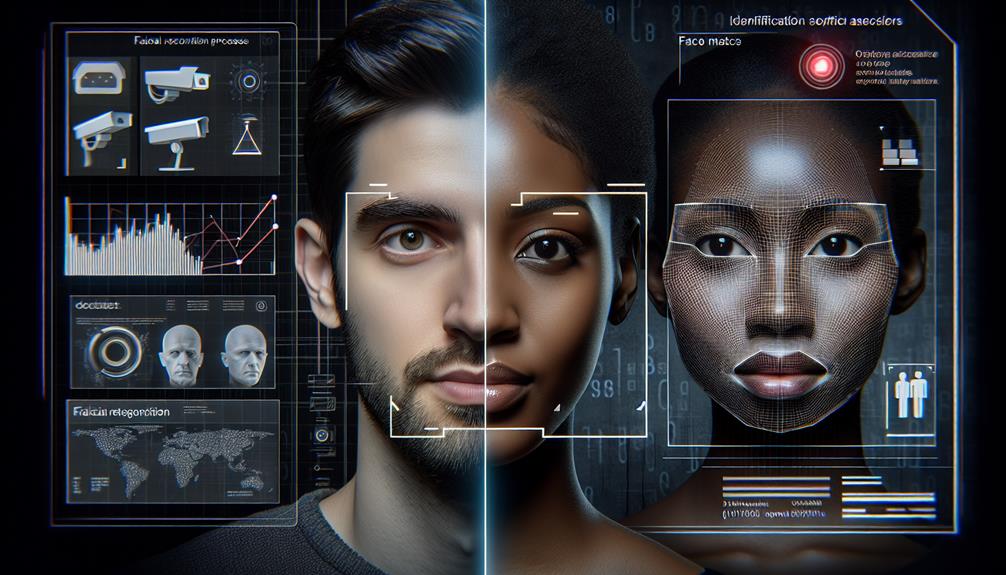
I face significant reliability challenges when used on people of color, a significant flaw perpetuating systemic biases in law enforcement practices. This is because facial recognition technology has higher misidentification rates for communities of color, exacerbating bias in policing practices. Studies have consistently shown demographic biases in facial recognition accuracy, disproportionately impacting marginalized communities.
| Demographic Group | Identification Accuracy | Misidentification Risk |
|---|---|---|
| White Males | High (99%CLR) | Low (1%) |
| Black Males | Medium (80%CLR) | High (20%) |
| Black Females | Low (65%CLR) | Very High (35%) |
These disparate accuracy rates in facial recognition tools intersect with bias in policing, especially affecting people of color. Surveillance technologies, including facial recognition, pose special risks for historically marginalized communities, contributing to deep-rooted discrimination. Unfair profiling and misidentification rates increase the likelihood of wrongful arrests and perpetuate systemic inequalities, making it essential to address these biases and ensure fairer implementation of surveillance technologies.
Normalization and Accessibility
As I explore further into the world of facial recognition in surveillance networks, I'm struck by the alarming implications of normalization. Normalization of facial recognition technology directly enables widespread institutionalized surveillance and the erosion of civil rights through increased accessibility and potential misuse across various sectors.
The ease with which this technology is being integrated into our daily lives poses significant threats. Here are just a few key concerns:
- Increased Surveillance: Normalization leads to greater accessibility, making it easier for governments, corporations, and even individuals to deploy facial recognition tools.
- Potential Misuse: The rise of DIY systems online underscores the potential for unchecked use, erosion of privacy, and civil rights violations.
- Loss of Civil Rights Space: As facial recognition becomes more prevalent, civil rights and liberties are compromised as surveillance measures intensify.
- Accessibility Concerns: The widespread availability of facial recognition technology raises questions about its potential totalizing impact on society.
- DIY Risks: Unregulated DIY systems create unchecked and unaccountable use, placing individuals at risk of unjustified surveillance and mistreatment.
The interplay between normalization, accessibility, and potential misuse paints a concerning picture for our privacy and civil rights. It's imperative we carefully consider the implications of this technology to protect our autonomy and democracy.
Ethical Concerns Surrounding Use
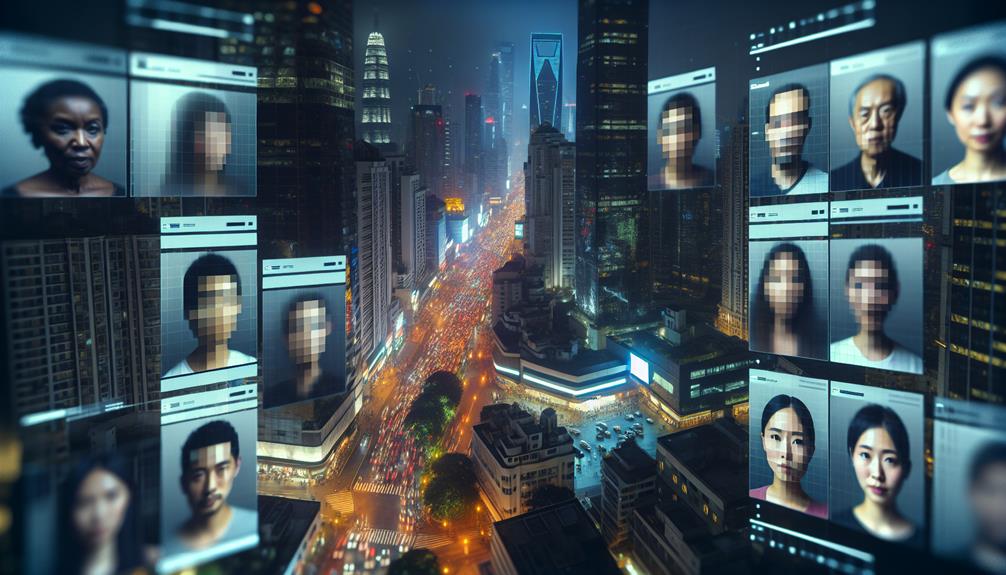
Beyond the normalization and accessibility of facial recognition technology, ethical concerns surrounding its use in surveillance networks come to the forefront, highlighting the need for careful examination of its implications on privacy, fairness, and civil liberties. The use of facial recognition technology in surveillance networks raises significant ethical concerns. On one hand, these technologies can potentially lead to privacy violations and the misuse of personal data. There is also growing evidence of bias and discrimination in these algorithms, which disproportionately affect marginalized communities.
Ethical Concerns in Surveillance Networks
| Issue | Impact | Action Needed |
|---|---|---|
| Privacy Violations | Loss of personal privacy | Stronger data protection laws |
| Misuse of Data | Surveillance abuse | Increased transparency and accountability |
| Bias and Discrimination | Racial profiling | Algorithmic oversight and bias removal |
| Lack of Transparency | Unchecked surveillance | Public disclosure of data collection and processing methods |
These ethical considerations underscore the importance of establishing clear regulations and mechanisms of oversight to guarantee that facial recognition technology is used responsibly in surveillance networks.
Lack of Accountability and Transparency
The lack of responsibility and transparency inherent in facial recognition technology within surveillance networks raises grave concerns regarding potential privacy violations and discrimination. As these systems grow in complexity and reach, the risks associated with opaque data collection and processing become increasingly concerning.
Here are some significant issues:
- Opaque Algorithms: Facial recognition algorithms themselves are often poorly understood, and companies aren't legally required to disclose their processes, making it difficult to identify biases and address them.
- Unregulated Data Collection: Without clear guidelines on data collection and use, entities may abuse personal data, perpetuating social injustice and surveillance overreach.
- Absence of Public Oversight: Lack of transparency hinders public scrutiny and oversight, exacerbating the risk of privacy violations and potential misuse.
- No Accountability Measures: The lack of clear responsibility mechanisms makes it difficult to hold entities accountable for data misuse or discriminatory practices.
- Continuous Misuse: The absence of responsibility and transparency raises long-term concerns about the continuous potential for facial recognition technology to be misused and perpetuate existing social biases.
These issues highlight the pressing need for transparent regulations and robust responsibility measures to ensure that facial recognition technology within surveillance networks is used responsibly and respects the privacy and rights of individuals.
Regulation Challenges and Gaps
Multiple jurisdictions, including the United States, the European Union, and the United Kingdom, grapple with the challenging task of regulating facial recognition technologies effectively within surveillance networks. As advancements in facial recognition outpace legal frameworks, the lack of thorough legislation and disparities in regulations across regions create significant challenges.
For instance, the General Data Protection Regulation (GDPR) in Europe provides some safeguards, but enforcement limitations hinder its effectiveness. In the United States, the disjointed landscape of state and local laws further complicates the issue. Few jurisdictions have specifically regulated government use of facial recognition, leading to a dearth of oversight and clarity in surveillance networks.
To effectively address privacy protection and oversight in facial recognition technologies, a more robust legal framework is necessary. Ensuring that regulations align with the evolving capabilities of this technology will be essential in forging a more reliable and transparent environment for surveillance networks.
Tainted Data and Misuse Risks
Data breaches, compromised storage systems, and lack of transparency in biometric data collection all amplify the risks of tainted data and misuse in facial recognition technologies, impairing their reliability and trustworthiness to a great extent.
When tainted data is used in facial recognition, it can lead to:
- Misidentifications and False Arrests: Misleading facial recognition results can lead to the wrongful identification and arrest of innocent individuals, often disproportionately affecting marginalized communities.
- Bias and Profiling: Biased data and algorithms can result in discriminatory profiling and wrongful convictions, exacerbating ethical concerns and human rights issues.
- Privacy Breaches: Improper storage and handling of biometric data leave it susceptible to hacking vulnerabilities, compromising individual privacy and fueling ethical debates around the technology.
- Lack of Transparency: The absence of clear regulations and data management practices heightens privacy concerns, leaving individuals unclear about how their personal information is being used.
- Regulatory Challenges: The difficulties in monitoring and regulating facial recognition technology contribute to the need for stricter oversight, stemming from the depth of its potential risks.
Impact on Civil Rights and Liberties
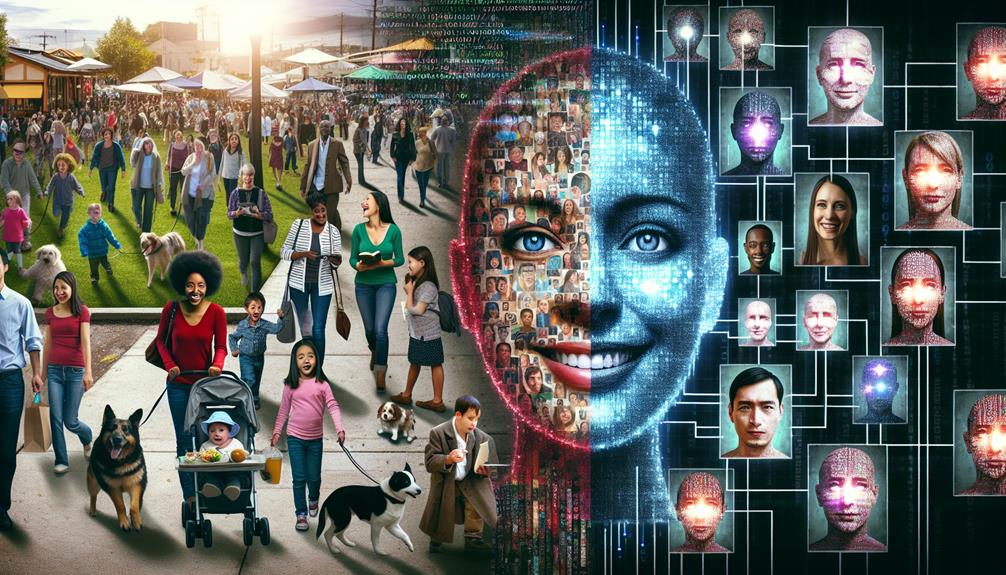
As I examine the role of facial recognition in surveillance networks, I recognize that its use raises significant concerns about the infringement of civil rights and liberties.
The technology, particularly when combined with mass surveillance, can lead to restrictions on freedoms and even arrests of government critics.
Its intrusive nature challenges the fundamental rights to anonymity and the protection of privacy.
Bias in Surveillance
Bias in facial recognition systems in surveillance networks disproportionately affects communities of color, increasing their exposure to misidentification and subsequent discrimination. The use of these technologies permits authorities to track and monitor groups based on their race, ethnicity, or other such demographic factors. By examining these tools through the lens of bias, we can understand how they perpetuate systemic racism and contribute to social injustice.
Racial Disparities in Accuracy:
- Misidentification rates are higher for people of color, particularly Black women.
- Lighting conditions can impact recognition, further exacerbating racial disparities.
- Limited representation of diverse populations in the training datasets also fuels these biases.
- Misidentification can lead to wrongful arrests and erosion of trust in law enforcement.
- These inaccuracies disproportionately burden communities already grappling with systemic racism.
Techno-racism:
- Algorithms in these systems often reflect biases of their creators, propagating prejudice.
- Integration of facial recognition into current policing practices amplifies existing societal biases.
Impact on Civil Liberties:
- Bias in surveillance can curtail civil rights, particularly for groups already marginalized.
- It raises ethical concerns about privacy, surveillance, and fair treatment before the law.
Regulation and Reform:
- Efforts to regulate the use of facial recognition technologies must prioritize accountability and fairness.
- Public awareness campaigns can promote active participation in dismantling techno-racism.
Intersection with Existing Biases:
- Facial recognition technology intersects with bias in policing, exposing historically marginalized communities to more risks.
- This convergence of biases demands proactive strategies to safeguard civil rights and liberties.
Rights to Anonymity
Facial recognition technology embedded in surveillance networks fundamentally alters our understanding of public spaces. Its presence increasingly erodes the right to anonymity by identifying individuals without their consent. The constant monitoring enabled by this technology creates an environment where individuals feel their freedoms are restricted.
The moment we step out into public, our faces are scanned and tracked, transforming the freedom to move about undetected into a luxury of the past. This perpetual monitoring raises questions about personal freedom and privacy, as our lives are increasingly linked by technology.
Anonymity in public spaces is threatened as we lose the ability to move freely without being identified. The mere possibility of constant surveillance erodes our sense of autonomy, as if we're living under the constant gaze of an all-knowing authority.
Contrary to the idea of public spaces being open and free, facial recognition networks turn these spaces into a domain of constant scrutiny. It's essential that we address these concerns and work towards preserving our right to anonymity, ensuring that the use of surveillance technology doesn't come at the cost of our civil rights and liberties.
Limits on Use
A strong regulatory framework must be established to prevent the widespread use of facial recognition technology in surveillance networks from infringing on our fundamental civil rights and liberties.
When it comes to balancing security needs with civil liberties, there are several essential boundaries that must be put in place to safeguard against the misuse of this technology. These boundaries include:
- Prohibiting Biased Training Data: The Government Accountability Office must oversee data collection processes to confirm that the technology isn't trained on partial datasets, which can perpetuate inaccuracies and discriminate against certain demographic groups.
- Mandatory Training for Law Enforcement: Law enforcement officers should undergo thorough training on appropriate usage and the limitations of facial recognition technology to prevent unjust surveillance practices.
- Establishing Transparency: Clear policies and procedures must outline how data is collected, stored, and used to guarantee accountability and protect personal privacy.
- Regular Audits and Oversight: Independent audits and regulatory bodies should conduct routine checks to verify compliance with established guidelines and prevent potential abuses.
- Prohibiting Mandatory Use: Individuals should have the option to opt-out of facial recognition technology without compromising their ability to access public services.
These boundaries will help prevent the misuse of facial recognition technology for unjust purposes, ensuring that individuals can trust the government to protect their civil liberties while still maintaining public safety.
Calls for Bans and Restrictions
Calls by civil rights groups such as the ACLU to restrict facial recognition technology have led governments, including those in San Francisco and California, to ban its use by law enforcement agencies. These bans and restrictions are a direct response to mounting privacy concerns and human rights implications associated with this powerful technology.
As we explore the domain of surveillance networks, it becomes evident that unrestricted use can create Orwellian scenarios where individual autonomy is lost. The misuse of facial recognition technology can lead to innocent individuals like Robert Williams being wrongfully arrested based on false matches, highlighting the need for robust oversight measures.
Legal challenges are being mounted against government agencies and companies that continue to engage in facial recognition practices without transparency and accountability. Efforts to rein in this technology are essential to safeguard our privacy and guarantee that the surveillance state doesn't encroach on our basic human rights.
As the debate rages on, it's vital that we prioritize the protection of individual privacy and freedoms.
Frequently Asked Questions
What Are the Challenges of Facial Recognition Systems?
"I face challenges with facial recognition systems due to privacy concerns, accuracy issues, especially for marginalized groups, bias problems resulting in incorrect identifications, data protection worries, ethical dilemmas in surveillance, and technology limitations."
What Is the Security Problem of Facial Recognition?
As someone who values control, my concern with facial recognition lies in the vulnerabilities it presents to data privacy, accuracy issues, bias concerns, consent requirements, surveillance overreach, and ethical implications – all of which must be carefully addressed to guarantee responsible implementation.
What Are the Problems With Face Recognition Attendance System?
As I assess face recognition attendance systems, I identify key problems: accuracy issues leading to incorrect records, privacy concerns from constant monitoring, technology limitations, ethical implications from tracking, bias risks, and data security threats.
Why Is Facial Recognition Bad for Law Enforcement?
As a privacy advocate, I see facial recognition in law enforcement as fundamentally flawed due to privacy concerns, bias, inaccuracy, and ethical dilemmas.