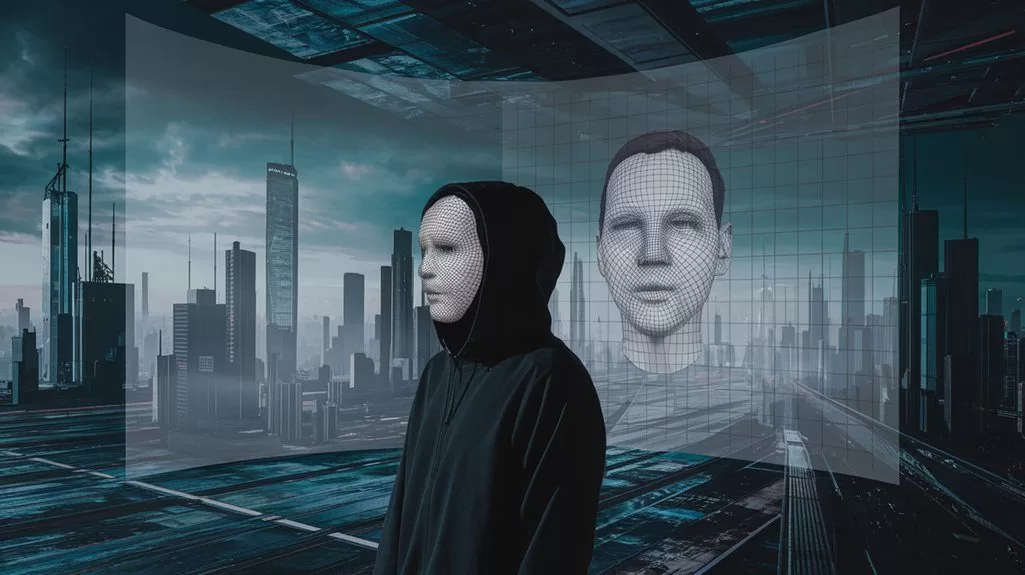


Facial recognition in policing: Double-edged sword or phenomenal mess? It enhances suspect identification efficiency, yeah, sure. But when AI gets it wrong? Innocent lives pay the price. Wrongful arrests, like Nijeer Parks and Porcha Woodruff, aren't just flukes. They're glaring warnings. Algorithmic bias hits people of color hardest, reinforcing racial disparities. Misidentifications erode trust in law enforcement. South Wales Police can attest to backlash and legal scrutiny. Want more irony? Dive deeper into this techno-legal tangle.
Key Takeaways
- Facial recognition errors can lead to wrongful arrests, as seen in cases of Nijeer Parks and Porcha Woodruff.
- Algorithmic bias in facial recognition results in higher error rates for Black and Indigenous individuals.
- Misidentification through facial recognition can cause psychological trauma and erode trust in law enforcement.
- Legal challenges emphasize the need for strict regulations to prevent misuse of facial recognition technology.
- Courts increasingly reject facial recognition evidence due to its inaccuracies and potential for harm.
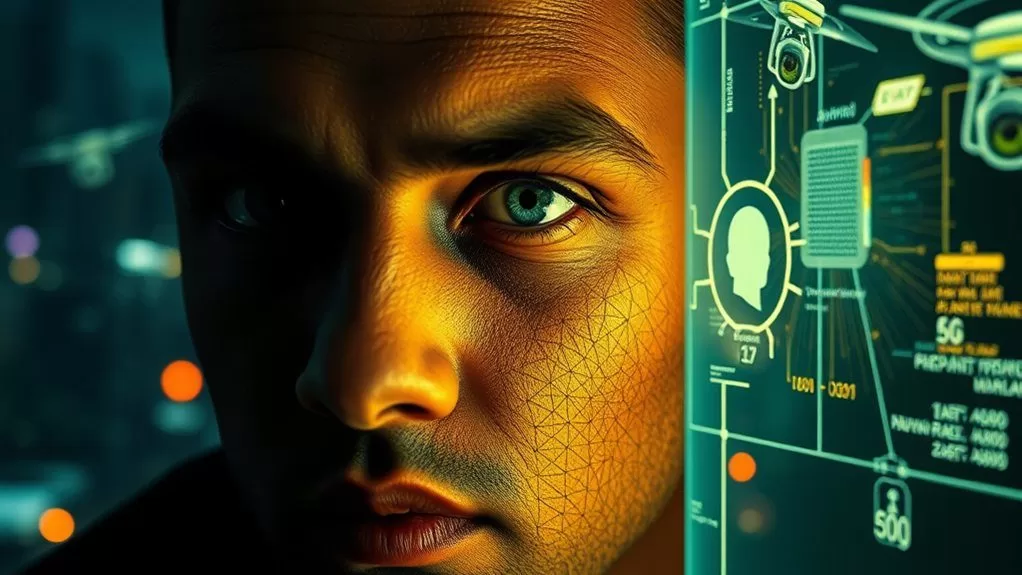
While the idea of using facial recognition technology in policing might sound like a scene straight out of a sci-fi movie, it's already here, making its mark in law enforcement. The New York Police Department (NYPD) isn't using this tech to spy on everyone, contrary to some dystopian fantasies. They're matching faces from crime scenes with arrest photos. Sounds efficient, right?
But let's talk about the elephant in the room: privacy concerns and algorithmic bias.
Facial recognition technology compares a human face from a digital image to a database of faces. Simple enough. Yet, South Wales Police in the UK have been a bit overzealous, using live, retrospective, and operator-initiated facial recognition. That's a mouthful. But it's not all sunshine and roses. The UK courts have slammed this practice as unlawful, citing human rights violations. Ouch.
But here's the kicker. Some facial recognition algorithms have a nasty habit of being more error-prone for people of color. The tech isn't just flawed—it's biased. Black and Indigenous women, especially, get the short end of the stick, facing wrongful arrests more often than their white male counterparts. It's like the algorithms can't see color, except when they can, and then they get it wrong.
Racial inequity? You bet. The inaccuracies disproportionately affect communities of color, leading to unfair policing practices. The lack of oversight is alarming, opening doors for mistakes without accountability. Human rights and civil liberties? At stake, big time. Systemic biases in facial recognition algorithms perpetuate legal disparities, making regulation essential to prevent further harm.
Consider the misidentifications and their consequences. False positives can land innocent people in jail. Just ask Nijeer Parks in New Jersey, who got tangled in this tech mess. Or Porcha Woodruff, whose life turned upside down by an AI error. The psychological impact? Traumatic. Lives disrupted, trust shattered.
In court, the reaction isn't just a slap on the wrist. Some rulings have outright rejected the use of facial recognition due to its inaccuracies and potential for abuse. It's not all bad, though. The technology serves as an investigative lead, not the final word. Trained investigators still play a vital role, reviewing matches and conducting background checks. They know machines can't do it all. The NYPD has been using facial recognition successfully since 2011 to identify suspects, ensuring that matches are only used as leads for further investigation.
The need for regulation and oversight is glaringly obvious. Legal challenges in the UK have already deemed some uses unlawful. Yet, without strict guidelines, the risk of unregulated use looms large. Organizations like the ACLU are fighting the good fight, but it's an uphill battle. Facial recognition in policing—both a promise and a peril.
New Jersey's law enforcement agencies continue to use facial recognition technology despite the known risks, highlighting the need for comprehensive policies to protect civil rights against surveillance.
References
- https://www.nyc.gov/site/nypd/about/about-nypd/equipment-tech/facial-recognition.page
- https://www.aclu-nj.org/en/news/weve-called-total-ban-use-facial-recognition-law-enforcement-heres-why
- https://www.south-wales.police.uk/police-forces/south-wales-police/areas/about-us/about-us/facial-recognition-technology/
- https://innocenceproject.org/when-artificial-intelligence-gets-it-wrong/
- https://www.libertyhumanrights.org.uk/issue/what-is-police-facial-recognition-and-how-do-we-stop-it/