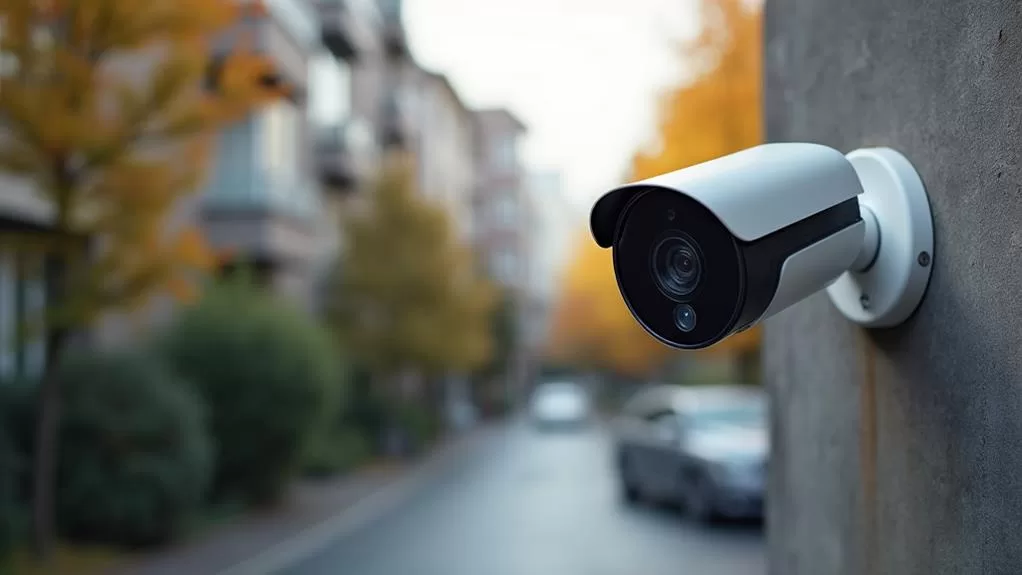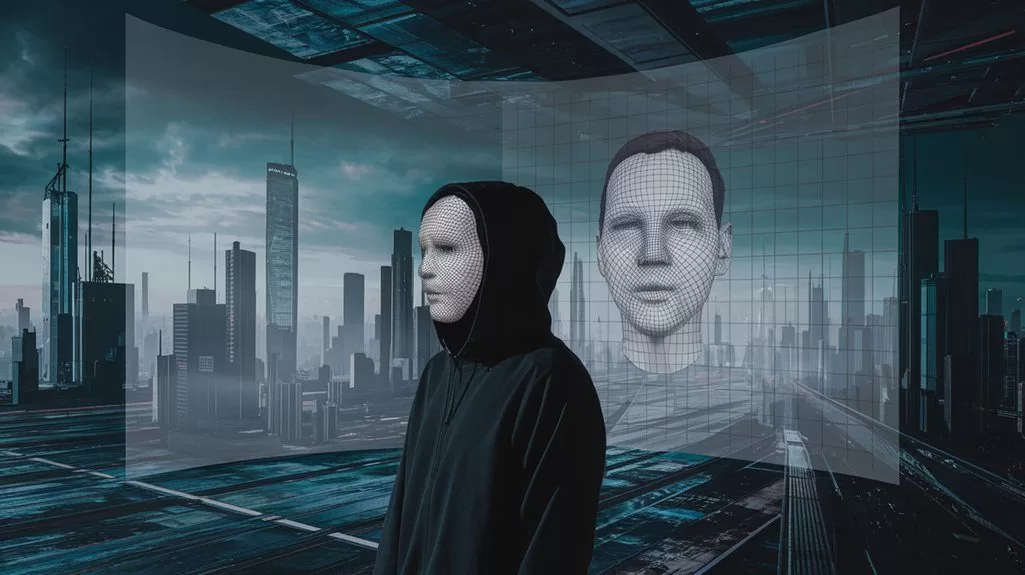


Navigating ethical dilemmas in facial recognition surveillance is essential to ensure public safety while preserving individual rights. The rapid growth of facial recognition technology presents a surveillance paradox, demanding a delicate balance between security and privacy. The challenges arise primarily due to disparate error rates across demographics, informed consent concerns, and mass surveillance implications. As biometric data's role expands, there is an increasing need to address racial biases in algorithms and protect anonymity. Ethical considerations are crucial in regulating this technology, especially for vulnerable populations. Addressing these dilemmas carefully is vital to prevent misuses and potential human rights violations. As I explore these issues further, the complexities reveal a nuanced struggle for balance.
Key Takeaways
- Transparency is essential in ensuring that individuals make informed decisions about their privacy when using facial recognition technology.
- Bias in algorithms mutates the accuracy of facial recognition, affecting vulnerable populations, like women and people of color.
- Balancing public safety with personal freedoms and privacy rights is crucial in navigating the surveillance paradox effectively.
- Informed consent and opt-out options are necessary to respect fundamental rights and protect individuals' privacy.
- Regular compliance checks are required to align with ethical principles, ensuring trust with customers and legal compliance.
The Surveillance Paradox
Despite its potential security benefits, the prevalence of facial recognition surveillance raises a disquieting paradox: How can we reconcile the desire for safety with the equally valid concerns about mass surveillance and loss of personal privacy? This paradox is increasingly relevant as the technology rapidly advances and becomes more widespread.
The Surveillance Archetype China's social credit system, which heavily incorporates facial recognition for monitoring and evaluating citizen behavior, serves as a stark warning of the potential dangers of surveillance overreach. Moreover, studies have shown that such mass surveillance can lead to self-censorship and negatively impact creativity and openness, ultimately stifling innovation and free expression.
The value placed on individual privacy must be balanced against the benefits of enhanced security. However, current practices often lack transparency and consent, contributing to the ethical dilemmas surrounding facial recognition. Consequently, finding a balance between ensuring public safety and protecting personal freedoms is essential to navigating this surveillance paradox effectively.
Ethical Implications of Biometric Data
As I explore the ethical implications of biometric data, it becomes clear that sensitive personal characteristics raise serious privacy and consent concerns.
While facial recognition systems offer technical advancements, it's essential to critically evaluate how the data is managed and secured to protect individuals from potential misuses.
If not carefully controlled, the collection and storage of biometric data escalate into significant ethical dilemmas that threaten privacy and individual agency.
Biometrics and Privacy
In the context of facial recognition, the use of biometric data, which includes unique identifiers such as facial features and patterns, raises numerous ethical concerns regarding privacy. This issue resonates particularly strongly with the public, as they're increasingly aware of the vulnerabilities in data security and the potential for misuse.
Biometric information, once captured, can be invaluable for authentication purposes, but it also creates risks. For instance, when organizations store this data in databases, it becomes susceptible to hacking and unauthorized access. This leads to a lack of control for individuals over their own private information, potentially leading to long-term privacy breaches.
In our connected world, ethical questions arise about how we balance public safety with individual privacy rights. Informed consent is essential here. Organizations must explicitly state the purpose and scope of data collection, ensuring that individuals understand how their information will be used.
It's vital to recognize that biometric data is different from traditional personal data, as it can't be changed or encrypted like a password. By acknowledging these concerns and implementing robust privacy safeguards, we can begin to address the ethical dilemmas of biometric use.
Ethical Data Storage
By examining the ethical implications of storing biometric data in facial recognition systems, we uncover a complex web of privacy concerns and regulatory challenges that underscore the need for robust safeguards. Ethical concerns arise from storing biometric data due to potential misuse, breaches, and privacy violations. These concerns highlight challenges around consent, data security, and the potential for unauthorized access. Maintaining consent while collecting and managing biometric data is essential, ensuring that individuals understand how their data will be used.
Adquate data security measures must be in place to prevent breaches and unauthorized access.
Regulations like the General Data Protection Regulation (GDPR) and the Health Insurance Portability and Accountability Act (HIPAA) provide frameworks for ethical data storage. The consent mechanisms and security protocols specified by these laws help safeguard biometric data. Nevertheless, it's important to continually assess and improve these safeguards to protect individuals' privacy and prevent the misuse of biometric data.
Privacy Concerns in AI

Given the rise of facial recognition technology, I'm increasingly concerned about the privacy implications of AI algorithms used in these systems. While facial recognition offers several benefits, including enhanced security and improved customer experiences, it also raises serious ethical dilemmas related to data protection and individual privacy.
As AI algorithms analyze facial features to identify and track individuals, privacy concerns arise. Since these systems are often designed without explicit transparency and consent measures, they can facilitate constant surveillance.
Additionally, the storage of massive amounts of facial biometric data by both public and private entities increases the risk of security breaches and data misuse, compromising personal privacy. The lack of robust regulations governing facial recognition technology further exacerbates these concerns, as individuals may not be fully aware of how their data is being used or stored.
These privacy concerns highlight the need for stronger data protection frameworks and greater transparency in the development and deployment of facial recognition systems. Ensuring that AI algorithms are designed with fairness and accountability built into them will be essential in addressing these ethical dilemmas and maintaining individuals' trust in these emerging technologies.
Racial Bias in Algorithms
As we delve into the challenges of facial recognition surveillance, I'm struck by the stark disparities in error rates among different demographic groups, particularly the heightened misidentification rates for women of color.
These biases are deeply rooted in the flawed training datasets used to develop these systems, leading to far too many false positives and tragic instances of wrongful arrests.
Unearthing these biases is essential for fostering trust and ensuring justice in the application of facial recognition technology.
Error Rates by Demographic
Facial recognition algorithms in law enforcement systems exhibit a marked racial bias, with error rates notably higher for women of color. These errors can lead to devastating consequences, including wrongful arrests and instances of police violence.
Our mugshot databases contribute to these disparities, as they disproportionately contain images of certain demographics, further skewing the accuracy of facial recognition technology.
Minor appearance changes, such as different hairstyles or variations in lighting, can significantly impact the accuracy of facial recognition in identifying individuals from underrepresented groups.
This highlights the urgent need to address racial bias in facial recognition algorithms to ensure fair and accurate identification across diverse populations, thereby preventing discriminatory outcomes.
It's crucial that we take action to correct these biases and ensure technology serves all people, regardless of race or gender.
False Positives in Justice
nities of color. The technology's inability to accurately identify individuals with darker skin tones has been widely documented, leading to wrongful arrests and convictions. In a society where people of color are already overrepresented in the criminal justice system, the misuse of facial recognition software further exacerbates the existing inequalities. Efforts to address these issues include advocating for stricter regulations on the use of such technology and promoting the development of more inclusive algorithms that account for diverse facial features.
Facial recognition technology has the potential to revolutionize various sectors, from security to retail. However, without proper safeguards and ethical considerations, its deployment can have serious consequences, particularly for marginalized communities. As we continue to navigate the ethical implications of facial recognition, it is crucial to prioritize fairness and accountability in its development and implementation. The societal impact of this technology extends beyond convenience and efficiency, influencing broader issues of privacy, discrimination, and social justice.
Biased Training Datasets
Studies have consistently highlighted that the root cause of racial bias in facial recognition technology lies in the biased data used to train these algorithms. These datasets often reflect existing societal biases, perpetuating systemic discrimination. This has been shown in studies analyzing facial recognition systems used by law enforcement, which consistently demonstrate higher error rates for women of color. Consequently, this results in wrongful arrests and intensified police violence against marginalized communities.
Biased Data Composition: Public figures used for training datasets are disproportionately white and male, mirroring historical power structures and patriarchy.
Lack of Regulatory Oversight: Insufficient regulation of facial recognition use allows biased technology to go unchecked, perpetuating dangerous consequences.
Systemic Barriers to Change: Logistical challenges in revamping datasets and retraining algorithms hinder efforts to address embedded biases.
Institutional Responsibility: Law enforcement agencies must acknowledge and actively work to rectify these biases in their systems to prevent further harm.
Right to Anonymity

As I go about my daily life, I expect that my movements and activities in public spaces will remain unidentified and untracked, free from constant surveillance and monitoring without my consent. The advancement of facial recognition technology has blurred these lines to a great extent, allowing for the potential of unwarranted tracking and monitoring. The right to anonymity, a fundamental right in privacy protection, is brought into question. I urge policymakers and technology developers to grapple with this ethical dilemma.
Upon closer inspection, the ethical concerns are multifaceted. Facial recognition systems, if misused, can closely monitor and identify individuals without their consent. This could lead to a loss of personal freedom and autonomy. Additionally, it jeopardizes privacy protection and can be used for mass surveillance and profiling. To address these concerns, regulations and safeguards must be put in place to guarantee transparency and accountability.
Ultimately, the effective integration of facial recognition technology must balance security needs with the right to anonymity and privacy protection. This can be achieved through transparent practices, informed consent, and robust regulations guarding the use of this technology. Only then can we harness its potential without sacrificing our fundamental right to remain free from unwarranted tracking and monitoring.
Corporate Responsibility
When using facial recognition technology, companies must attentively maintain corporate responsibility by implementing measures to safeguard privacy and uphold ethical standards, guaranteeing transparency and accountability in their data management practices. This isn't just a moral imperative; it's essential for maintaining trust with customers and avoiding legal issues.
- Transparency in Data Collection and Storage:
Companies must clearly communicate the purpose and scope of facial recognition data collection and storage, making sure users understand how their information is used.
- Accountability in Algorithm Development:
Businesses should make sure that their facial recognition algorithms are regularly audited to minimize bias and discrimination, with steps taken to rectify any issues discovered.
- Informed Consent and Opt-Out Options:
Users must be provided with informed consent regarding facial recognition and given the ability to opt-out if they don't wish to participate.
- Regular Compliance and Impact Assessments:
Companies should conduct regular impact assessments and compliance checks to ensure that their use of facial recognition aligns with ethical principles and regulatory standards.
Balancing Security and Freedom

When we consider the role of facial recognition surveillance in our daily lives, I inevitably see the ethical struggle between our right to privacy and the need for safety.
As governments and private companies increasingly deploy these technologies, it's essential to find a balance that respects individual freedom while ensuring public security.
This balance requires careful evaluation of the data collection and analysis processes to prevent infringements on our fundamental rights.
Privacy Vs. Safety
Ethical dilemmas arise as facial recognition surveillance forces us to weigh the need for enhanced security against the importance of protecting our personal privacy. This delicate balance has become a central concern, as both privacy advocates and security proponents present compelling arguments.
- Privacy concerns:
- Mass surveillance without consent undermines individual freedoms and raises data protection issues.
- Potential misuse or unauthorized access to biometric data heightens privacy risks.
- Facial recognition can be prone to bias and inaccuracy, which may lead to false identification and unjust actions.
- Data breaches or loss of facial templates can compromise personal information.
These ethical considerations are essential in navigating the intersection of facial recognition, privacy, and safety.
Surveillance Ethics
As facial recognition surveillance technology rapidly advances, it becomes increasingly vital to strike a delicate balance between the pursuit of enhanced security and the safeguarding of individual freedoms and civil liberties. This balance is essential, as the extensive capabilities of facial recognition surveillance can profoundly impact personal autonomy and privacy.
Ethical dilemmas arise when the desire for safety clashes with the need to protect privacy, leading to difficult choices about how far we should allow surveillance to encroach upon our daily lives.
It is important to carefully consider the societal implications of mass facial recognition surveillance, weighing concerns about security against the potential erosion of personal freedoms. Surveillance ethics demand that we verify the appropriate use of this technology, avoiding the exploitation of individuals' personal data without their explicit consent.
I firmly believe that a well-regulated framework is necessary, safeguarding privacy while still allowing the technology to fulfill its intended purpose. By doing so, we can mitigate the ethical dilemmas that arise from facial recognition surveillance and navigate the complex landscape of balancing security with individual freedom.
Data Protection Regulation
Given the sensitive nature of biometric data in facial recognition systems, adherence to data protection regulations like GDPR is crucial to guarantee lawful and accountable surveillance practices. Facial recognition technology intrinsically involves the collection and processing of highly sensitive biometric data, which can pose significant risks to individuals' privacy and security if mishandled. Therefore, data protection regulations play a pivotal role in ensuring that biometric data from facial recognition systems is handled lawfully and securely, in compliance with stringent privacy standards such as the GDPR.
- GDPR Requirements: The GDPR specifically mandates strict compliance with principles such as lawfulness, fairness, transparency, and data minimization when handling personal data, including biometric information.
- Accountability and Transparency: Data controllers must maintain detailed records of data processing and demonstrate adherence to GDPR principles.
- Consequences of Non-Compliance: Violations of GDPR regulations can result in substantial fines and damage to public trust in facial recognition technology.
- Individual Control: By implementing data protection regulations, individuals maintain maximum control over their own biometric data, ensuring protection of their privacy rights.
Impact on Vulnerable Groups

Facial recognition technology's inaccuracies and biases disproportionately impact vulnerable groups, leading to significant consequences and human rights concerns. It's important to recognize that women, people of color, and nonbinary individuals experience higher error rates and are more susceptible to mistaken identities. These inaccuracies can result in wrongful arrests, detention, and even police violence. Additionally, racial biases embedded in algorithms can perpetuate discrimination, leading to the misidentification and surveillance of innocent individuals from marginalized communities. These heightened risks necessitate the implementation of ethical considerations and safeguards to protect individuals' rights and prevent unjust outcomes.
Essential measures include ensuring diverse and inclusive data sets for training AI systems, as well as creating transparent reporting mechanisms to address potential biases.
Most importantly, the ethical implications of facial recognition technology mustn't be ignored, and ethical considerations should be integrated into the development and deployment of these systems. It's only by acknowledging and addressing these issues that we can guarantee that the benefits of facial recognition technology are realized without compromising the rights and dignity of vulnerable groups.
Transparency and Consent
An essential component of ethical facial recognition surveillance is securing informed consent from individuals whose biometric data is being collected and used for security purposes, thereby avoiding potential privacy violations and ethical concerns. Informed consent requires individuals to be fully aware of how their data is being used and involves their explicit agreement. This transparency guarantees that individuals are making informed decisions about their privacy and overarching right to control their own data.
Contrasts with hasty, one-off infiltration of personal data misleading those on the scope of the technology can lead to distrust and disillusionment. Hence, it's crucial that consent procedures clearly outline the purpose of data collection, offering both opt-in and opt-out options.
- Transparency: Ensure that individuals are cognizant of the data collection practices, usage, and storage methods.
- Informed Consent: Secure explicit agreement from individuals with full knowledge of the scope and terms of biometric data usage.
- Ethical Considerations: Balance privacy with security needs and comprehend the potential consequences of facial recognition on vulnerable groups.
- Clear Opt-in/Opt-out: Provide the opportunity for individuals to make informed choices about their data participation.
Frequently Asked Questions
What Are the Ethical Dilemmas Associated With Using Facial Recognition Software?
As I explore facial recognition, I'm faced with ethical dilemmas, including privacy concerns, bias issues, consent challenges, and accountability measures.
What Is an Essential Step to Ensure the Ethical Use of Facial Recognition Technology?
'To guarantee ethical use of facial recognition tech, it's essential I obtain specific consent from individuals and ensure transparency in data collection and storage practices, implementing measures to mitigate bias and safeguard data privacy.'
What Are the Ethical Concerns of Combating Crimes With AI Surveillance and Facial Recognition Technology?
When combating crimes with AI surveillance and facial recognition technology, my ethical concerns include privacy violations, discrimination risks, and lack of consent, especially for marginalized groups, exacerbating systemic injustices and surveillance implications.
What Is the Biggest Problem in Facial Recognition?
"I believe the biggest problem in facial recognition is inaccurate detection, exacerbated by biased algorithms and a lack of informed consent, leading to privacy violations and misuse of personal data."