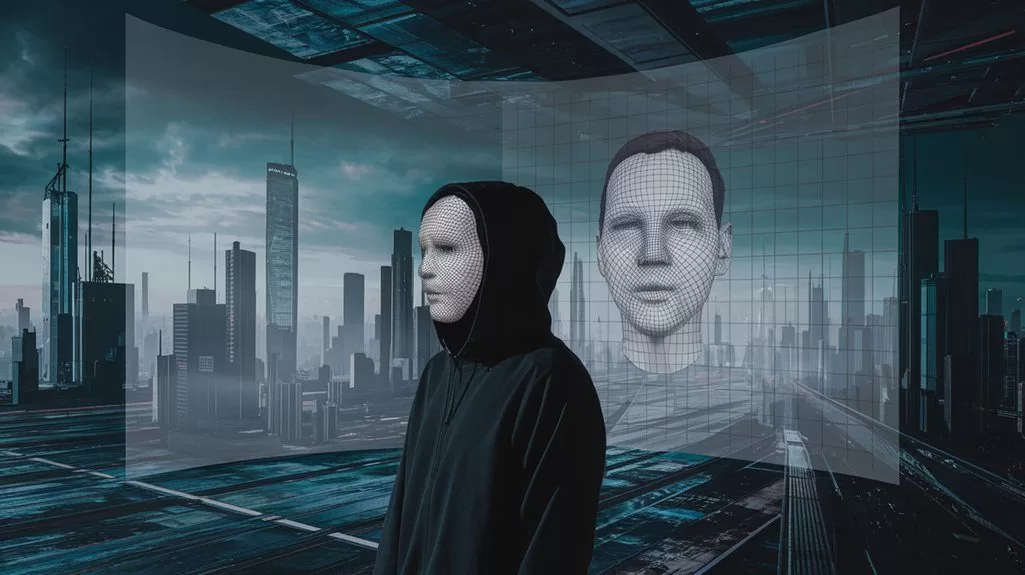


AI surveillance in schools is a double-edged sword. It aims to catch threats before they escalate—goodbye tragic incidents—but at what cost? Privacy concerns loom large. Students feel watched, hesitant to express freely. Those digital eyes save lives, say proponents, spouting tales of thwarted violence, but critics argue it smothers curiosity. Are you protected, or under constant gaze? The debate rages on, a tug-of-war between safety and privacy. Curious about the complete picture?
Key Takeaways
- AI surveillance in schools aims to prevent violence and self-harm by monitoring student activities, potentially saving lives.
- Privacy concerns arise as surveillance systems collect significant amounts of sensitive student data, risking exposure and misuse.
- Students feel their freedom of expression is stifled due to fear of being flagged by AI systems.
- Data breaches, like the Vancouver Public Schools incident, highlight the security risks of storing sensitive student information.
- The debate continues over the balance between ensuring student safety and protecting their privacy rights.
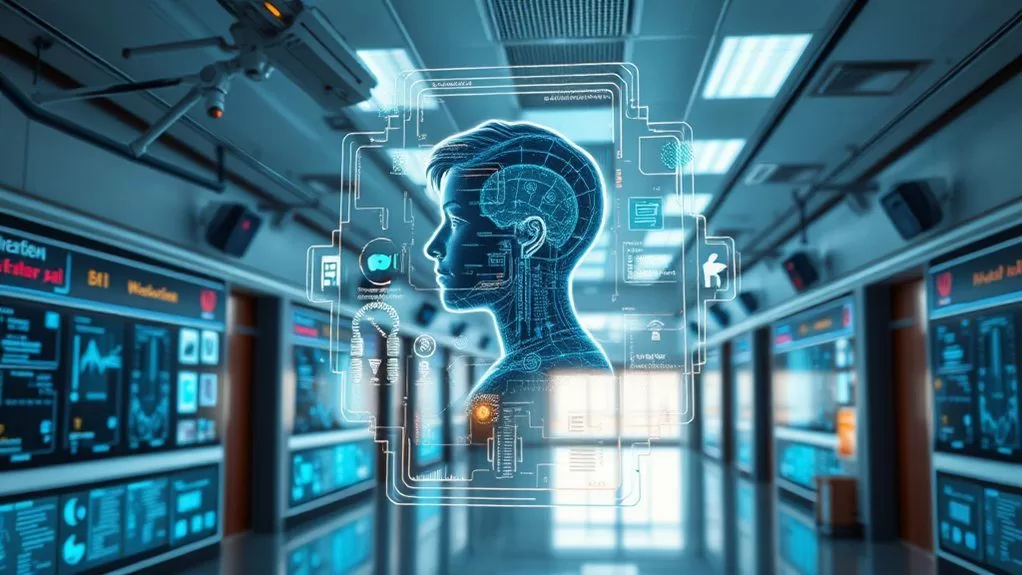
How far is too far when it comes to monitoring students in schools? AI surveillance systems have become a staple in U.S. educational institutions, ostensibly to guarantee student safety. Gaggle Safety Management, a company known for its widespread use across 1,500 school districts, monitors the online activities of roughly 6 million students. The aim? To catch threats like violence or self-harm before they escalate. Sounds noble, doesn't it? But here's the kicker: privacy concerns loom large, casting a shadow over these good intentions.
The world of data security is fraught with peril. The Vancouver Public Schools data breach serves as a glaring example. Thousands of sensitive student documents, from personal essays to mental health discussions, were carelessly exposed. Not exactly a confidence booster in the domain of data protection. When it comes to student expression, the implications are chilling. Six out of ten students report feeling uneasy about expressing themselves online. A system meant to protect has inadvertently stifled freedom. Irony much?
Moreover, surveillance systems have mistakenly outed LGBTQ+ students, laying them bare to discrimination. Trust, once lost, is hard to regain. Students now walk on eggshells, desensitized to the invasive eye watching over them. Researching sensitive topics? Forget about it. The fear of being flagged overshadows curiosity. Furthermore, false alarms are not uncommon, with benign student writings sometimes triggering unnecessary alerts, leading to unwarranted stress and anxiety among students.
Yet, the argument for AI surveillance isn't without merit. There have been successful interventions—real lives saved. AI-powered surveillance systems detect anomalies and trigger immediate alerts, helping to prevent potential threats. Suicide and violence prevention efforts have benefited, with schools viewing these tools as essential to student well-being. AI systems, like those from GoGuardian and Securly, promise a cost-effective approach compared to hiring more staff. After all, dollars don't grow on trees. Surveillance isn't a substitute for adequate mental health support, highlighting the need for additional resources in schools.
However, security risks can't be ignored. The breach in Vancouver is a cautionary tale, underscoring the potential perils of data mishandling. Despite the increase in adoption post-pandemic, thorough research linking AI surveillance to reduced violence rates remains lacking. A glaring oversight, indeed.
In the end, AI surveillance in schools walks a tightrope between protection and invasion. Its presence is undeniable, its benefits tangible, yet the risks are real and palpable. So, how far is too far? That remains the million-dollar question. As schools grapple with the balance between safety and privacy, one can't help but wonder: are we safeguarding students or stripping them of their right to privacy? Perhaps a little of both. Or maybe neither, depending on who you ask. An ongoing debate as complex as the algorithms themselves.
References
- https://timesofindia.indiatimes.com/education/news/ai-surveillance-in-us-schools-thousands-of-sensitive-student-documents-exposed-in-surveillance-breach-fueling-privacy-fears/articleshow/118936575.cms
- https://www.opb.org/article/2025/03/12/schools-use-ai-to-monitor-kids-hoping-to-prevent-violence-our-investigation-found-security-risks/
- https://www.securitymagazine.com/articles/101049-integrated-security-ai-is-a-cost-effective-path-to-safer-schools
- https://www.mic.com/impact/ai-surveillance-in-schools-privacy-concerns
- https://www.aclu-nj.org/en/news/students-we-face-invasive-ai-powered-school-surveillance-now-were-calling-lawmakers-regulate-it