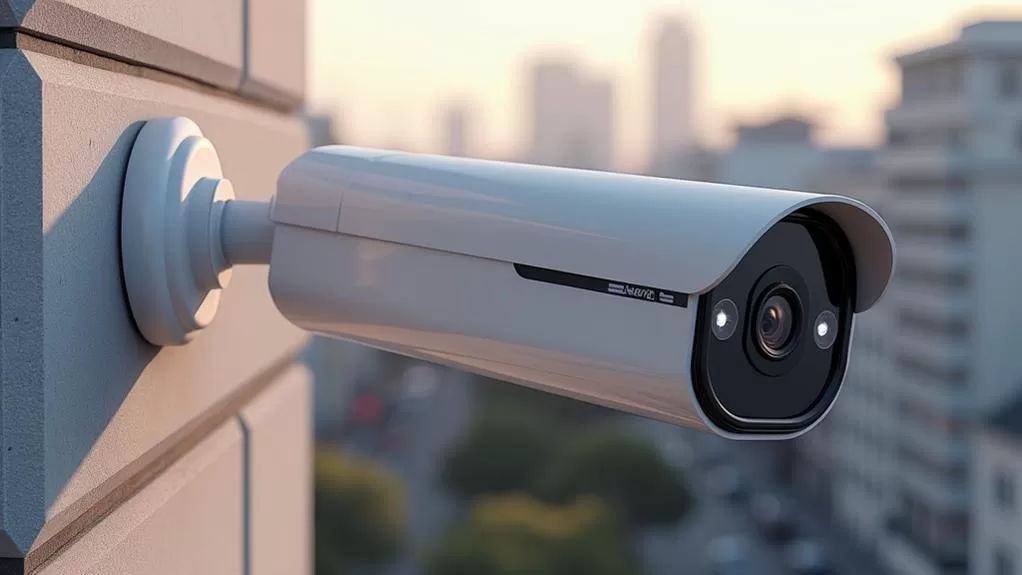


I find the most essential uses of facial recognition technology for crime prevention lie in its ability to speed up investigative processes, enhance public safety, and proactively prevent crimes. By swiftly identifying suspects through extensive database matches, this technology aids in pinpointing activities and locations to deliver justice faster. High-accuracy systems monitor crowded areas, track movements, and deter criminal activity, ensuring a robust shield for the community. Moving forward, this technology will continue to revolutionize the way law enforcement agencies detect potential threats and guarantee public well-being.
Key Takeaways
- Facial recognition technology accelerates criminal investigations by swiftly identifying suspects through systematic matches against extensive databases.
- It enhances public safety by relying on high-accuracy systems to quickly locate individuals in crowded areas or track their movements through real-time surveillance footage.
- Facial recognition matches faces to criminal databases, allowing for real-time tracking of individuals with criminal histories.
- The technology helps in locating missing persons quickly, aiding in crime prevention efforts.
- It deters criminal activity by identifying potential suspects and increasing public safety.
Speeding Up Investigations
Facial recognition technology accelerates the investigative process by rapidly identifying suspects through systematic matches against extensive databases. As a law enforcement professional, this technology empowers me to handle criminal cases more efficiently. By leveraging facial recognition, I can swiftly trace the activities and locations of individuals involved in crimes. This means that suspects can be pinpointed in the surveillance footage, expediting the investigative process and leading to faster justice.
Facial recognition supplements traditional methods of investigating by providing precise and efficient identification, ultimately enhancing the quality of our crime prevention strategies.
Key benefits of this technology include the ability to quickly identify individuals in surveillance footage, such as ATM videos or security camera footage. This aids in building robust evidence in criminal cases, which in turn allows us to take swift legal action.
FACIAL RECOGNITION FACILITATES EFFICIENT INVESTIGATIONS BY PROVIDING PRECISE MATCHES AGAINST DATABASES. This accelerates the process, enabling law enforcement to focus on other critical aspects of crime prevention.
Enhancing Public Safety
By efficiently identifying suspects and swift tracking, facial recognition technology empowers me to enhance public safety in a proactive manner. As a law enforcement officer, I rely on high-accuracy facial recognition systems to quickly locate individuals in crowded areas or track their movements through real-time surveillance footage. This capability allows me to monitor and address potential threats instantly, guaranteeing everyone's well-being.
In addition to immediate threat response, facial recognition technology helps me prevent crimes by pinpointing suspicious activities before they escalate. By constantly monitoring and analyzing surveillance data, I can anticipate and prepare for potential criminal outcomes. Facial recognition technology streamlines criminal investigations, saving resources and time while providing a robust shield for the community.
In conjunction with traditional methods, facial recognition systems form a comprehensive public safety strategy. By leveraging this technology, I can proactively address risks and ensure a safer environment for all.
Preventing Crimes

I actively utilize facial recognition to prevent crimes by swiftly identifying suspects at crowded events and high-risk areas. This technology has revolutionized the way law enforcement agencies detect potential threats and ensure public safety.
By analyzing surveillance footage, facial recognition technology matches faces to criminal databases, allowing for real-time tracking of individuals with criminal histories. This helps prevent potential crimes before they occur.
- Prompt Identification: Facial recognition can identify suspects at events and high-risk areas, allowing for immediate intervention.
- Real-time Monitoring: By matching faces to criminal databases, law enforcement agencies can monitor individuals with criminal histories in real-time, preventing potential crimes.
- Missing Persons: Facial recognition can assist in locating missing persons quickly, aiding in crime prevention efforts.
- Surveillance and Deterrence: Analyzing surveillance footage, facial recognition technology can deter criminal activity by identifying potential suspects and increasing public safety.
This approach enhances public safety and reduces criminal incidents by proactively addressing potential threats.
Frequently Asked Questions
How Does Facial Recognition Help Reduce Crime?
"I utilize facial recognition technology to quickly identify suspects, track missing persons, and improve public safety by monitoring high-risk areas. This technology enhances security measures and detects fake IDs, ultimately reducing crime."
Which Situation Is the Best Example of the Use of Facial Recognition?
Among various applications, I believe the best example of facial recognition technology is in police investigations, where it helps identify criminal suspects or missing persons, ensuring faster and more accurate identifications in light of potential bias concerns.
Is Facial Recognition Accurate Enough for Law Enforcement Use?
I assess facial recognition algorithms for legal use, considering accuracy assessments, privacy concerns, bias detection, and ethical implications. While privacy issues remain, optimized algorithms enhance real-time tracking, surveillance capabilities, and facial database integration, mitigating legal and data security risks.
How Is Facial Recognition Used in Security?
I use facial recognition in security for surveillance monitoring, access control, and identification verification. It helps law enforcement track suspects, secure borders, and enhance public safety through watchlist screening in criminal investigations.