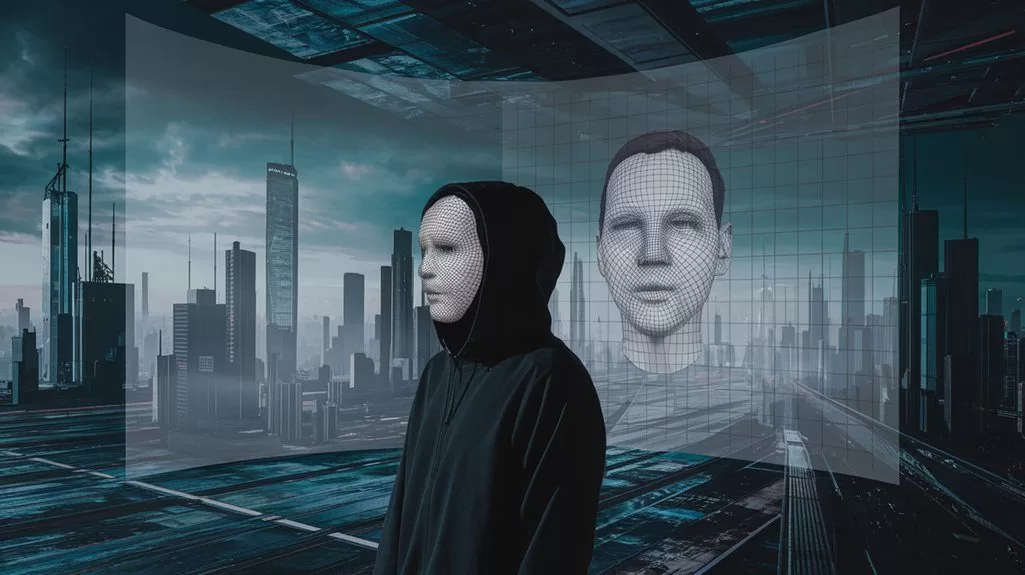


Traditional photography captures reality. AI promptography? It's surreal, imaginative chaos birthed from text prompts. Exciting? Sure. Authentic? Maybe not. Traditionalists grumble; it's not 'real' photography. Yet anyone can create with AI, no camera needed. Ethical gray zones abound—ownership, consent, and categorization stir debates. But innovation must push boundaries, right? In exhibitions, AI art grows, flaunting its messy charm. Reality's a blur, and it seems the viewer decides what's truly art. Interested differently?
Key Takeaways
- AI promptography enables imaginative visuals, differing from traditional photography's reality capture, altering perceptions of what constitutes art.
- The accessibility of AI tools democratizes image creation, shifting the landscape of who can produce visual art.
- Legal and ethical concerns persist regarding ownership and consent in AI-generated images, complicating the art world.
- Categorizing art by production methods, such as "promptography," helps clarify distinctions between traditional and AI-generated works.
- The growing presence of AI art in exhibitions challenges traditional definitions and perceptions of art and creativity.

The clash between traditional photography and AI promptography is as intriguing as it is contentious. With photography, artists capture light through a camera, experiencing the world firsthand. In contrast, AI promptography enables images to be generated from textual prompts without leaving the comfort of a computer screen. It's a debate that pokes at the heart of Artistic Expression and Visual Ethics. Some argue that traditional photography captures reality, while AI promptography is a playground for the imagination, allowing artists to concoct visuals that defy the bounds of physical possibility. But, of course, just because you can imagine it, doesn't mean you should.
Traditionalists might scoff at the notion of equating AI creations with the time-honored skill of photography. The artistry of holding a camera, waiting for the perfect light, clicking the shutter at the exact moment—that's not something you can replicate with a keyboard and some clever code. Yet, AI promptography levels the playing field. Anyone with access to AI tools can create images, regardless of their understanding of aperture or shutter speed. It's democratizing, some say, while others see it as a threat to the integrity of the photographic profession. A double-edged sword if there ever was one. Boris Eldagsen, a Berlin-based visual artist specializing in photography, video installation, and AI-generated art, emphasized the importance of categorizing art forms based on production methods, comparing a real lemon to a plastic lemon to illustrate differences in art creation.
The rise of AI in visual arts has introduced a whole host of questions. Who owns the rights to an image created by AI? What about the artists whose work might have unknowingly contributed to the AI's training data? It's a murky swamp of legality and ethics, one that's challenging to navigate.
And then there's the matter of categorization. Boris Eldagsen's coining of the term "promptography" reflects a need to differentiate these AI-generated images from traditional photography. After all, calling it "AI photography" is like calling a digital painting a "mouse sketch."
The controversy reached a fever pitch when Eldagsen won an award with an AI-generated image, only to reject it. A bold statement that left many questioning what constitutes art and who gets to decide. AI images, while often stunning, can also lack the realism that a seasoned photographer captures effortlessly. And the flaws? Sometimes glaringly obvious. It's all part of the growing pains as we adjust to this new artistic medium.
Despite the debates, AI art is gaining traction in exhibitions and competitions. The collaboration between human creativity and AI capability continues to evolve, challenging our perceptions of art and reality. Whether this is a boon or bane is still hotly debated. But one thing's for sure: the world of visual media will never be the same. As the distinction between photography and AI-generated images becomes increasingly unclear, the need for acceptance of AI creativity alongside traditional photography becomes more pressing.
Final Thoughts
In this new age of imagery, where photography meets AI promptography, the lines are deliciously blurred. Traditionalists may scoff, clinging to their old-school cameras. Meanwhile, AI enthusiasts revel in limitless creativity. Pros? Endless possibilities, faster production. Cons? Authenticity takes a hit, and originality might just be an endangered species. It's a digital tug-of-war, folks. But let's face it, whether you love the pixels or hate them, the visual landscape will never look the same again.
References
- https://www.dodho.com/ai-in-visual-arts-photography-or-promptography/
- https://www.youtube.com/watch?v=10-X5D8n7eI
- https://ai-arts.org/promptography-from-text-to-photographic-art/
- https://www.fastcompany.com/91228920/ai-photography-rebrands-as-promptography
- https://www.expanded.art/articles/boris-eldagsen-the-photography-of-the-future-is-what-ai-leaves-behind