


The rise of deepfake attacks is a pressing phenomenon, driven by advanced AI algorithms like GANs and autoencoders that can generate highly realistic fake images, videos, and audio recordings. These techniques include facial reenactment, lip-syncing, and voice cloning, which can be used to manipulate public opinion, damage reputations, and facilitate financial fraud. Deepfakes pose significant security threats, including social engineering attacks, phishing, and cybersecurity breaches. They can also erode trust in media and institutions, spread misinformation rapidly, and have profound legal implications. As deepfake technology evolves, it’s essential to develop robust detection and mitigation strategies, as well as strict legal and ethical guidelines to combat these threats, and understanding these complexities can help you navigate this increasingly complex digital landscape.
Key Takeaways
- Deepfake Techniques: Deepfakes use AI algorithms, particularly GANs and autoencoders, to manipulate facial expressions, voice, and body movements, creating realistic fake content[4ा।
- Impact on Trust and Security: Deepfakes erode trust in media, institutions, and public figures, facilitating social engineering attacks, financial fraud, and political manipulation[4)。
- Financial and Reputational Damage: Deepfake attacks can lead to significant financial losses, such as the $25 million loss for a Hong Kong bank, and damage to individual and organizational reputations[4)。
- Social and Political Consequences: Deepfakes can influence elections, spread misinformation, and undermine public trust, posing serious threats to democracy and public discourse[5)。
- Detection and Mitigation: Detecting deepfakes requires AI algorithms, forensic analysis, and human expertise, with strategies including education, multi-factor authentication, and regulatory measures to combat these threats[4)].
Deepfake Techniques and Methods

Deepfake techniques rely heavily on advanced AI algorithms to manipulate facial expressions, voice, and body movements, creating remarkably realistic fake content. These deepfake methods leverage powerful tools like Generative Adversarial Networks (GANs) and autoencoders to generate convincing fake videos, images, and audio recordings.
To create these deepfakes, developers use extensive datasets of images and videos to train AI models. This training process enhances the accuracy and realism of the generated content. Face swapping, for instance, involves replacing one person’s face with another’s, often using a single image of the person’s frontal face.
Lip-syncing is another common technique, where a voice recording is mapped to a video, making it appear as though the person in the video is speaking the words in the recording.
These deepfake techniques continue to evolve, making it increasingly challenging for detection tools to keep pace with the sophistication of the fake content. As AI technologies advance, the line between genuine and manipulated media becomes increasingly blurred, highlighting the need for constant updates in detection tools to combat the growing threat of deepfakes.
Impact on Security and Cybersecurity
As we navigate the intricate landscape of cybersecurity, the emergence of deepfake technology has greatly heightened the risks faced by organizations and individuals alike. Deepfake attacks, which mimic appearance and voice using advanced AI technology, have become a significant security threat.
According to recent reports, nearly half of organizations have encountered deepfake attacks, highlighting their prevalence and impact.
The FBI has issued warnings about the various methods employed in deepfake attacks, emphasizing the need for heightened security measures. Impersonating executives and creating false personas are common tactics, posing substantial risks to organizations.
For instance, a deepfake scam led to a $25 million loss for a Hong Kong bank when scammers digitally recreated the company’s chief technology officer to instruct colleagues to transfer money.
Deepfakes are evolving to facilitate social engineering attacks, financial fraud, and other malicious activities. These attacks can lead to significant financial losses and reputational damage.
To combat this, it’s essential to implement enhanced security measures, including advanced detection tools and inclusive employee training and awareness. The importance of awareness can’t be overstated, as educating employees about the risks associated with deepfakes can help prevent them from falling victim to these sophisticated scams.
Social Engineering and Misinformation
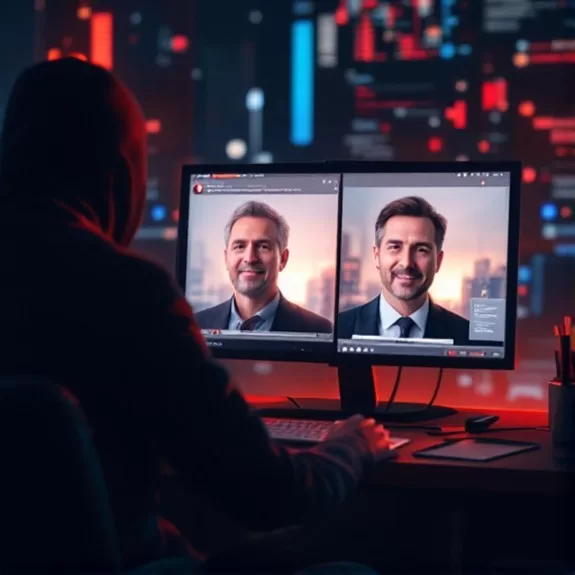
Social engineering attacks powered by deepfake technology have become a formidable threat, with their ability to deceive and manipulate individuals and organizations on a significant scale.
Social Engineering and Misinformation
Deepfake technology has revolutionized the way cybercriminals conduct social engineering attacks. Here are some key aspects of these attacks:
| Aspect | Description | Impact |
|---|---|---|
| Voice Cloning | Deepfakes can mimic the voice of trusted individuals, such as executives or family members. | Leads to financial fraud and unauthorized transactions. |
| Deepfake Images | AI-generated images can be used to create fake identities or impersonate individuals. | Undermines personal and organizational security. |
| Deepfake Videos | Fake videos can show individuals saying or doing things they never did, spreading misinformation. | Erodes trust in media, institutions, and public figures. |
| Impersonation | Deepfakes can impersonate individuals to deceive and manipulate others, including financial and corporate targets. | Puts both personal and organizational security at risk. |
| Misinformation | Deepfakes spread false information, leading to public distrust and potential political manipulation. | Damages reputations and influences public opinion. |
These attacks are increasingly sophisticated, making them harder to detect. For instance, a finance worker was tricked into initiating a $25 million payment to fraudsters using deepfake technology to impersonate the company’s chief financial officer.
Awareness, education, and enhanced security measures are vital in combating these threats. Organizations should implement robust training programs to educate employees about recognizing and responding to deepfake attacks.
Detection and Mitigation Strategies
To combat the escalating threat of deepfake attacks, we must ramp up our detection and mitigation strategies. AI algorithms are being developed to identify deepfakes, but combining these tools with human expertise is essential for effective detection.
For instance, advanced deepfake detection tools, such as forensic video analysis and spectrogram analysis, can uncover subtle discrepancies in videos and audio that might be imperceptible to the human eye.
Training individuals to recognize deepfakes is also crucial. Educating employees on the latest threats and how to spot signs of deepfake content, such as incongruities in skin texture, unusual blinking patterns, and unnatural lip coloration, can significantly improve an organization’s defenses.
Enhanced security measures are necessary to address deepfake risks. Implementing zero-trust security controls, multi-factor authentication, and strong identity-based policies can prevent unauthorized access and mitigate the impacts of deepfake attacks.
Regular audits and training exercises, including deepfake pen testing, can help identify vulnerabilities and fortify defenses.
Collaboration between tech companies is key in developing effective detection tools. Partnering with industry groups and research institutions provides access to the latest research and strategies, ensuring a unified approach to deepfake detection and mitigation. By leveraging these strategies, we can better protect ourselves against the rising threat of deepfake attacks.
Legal and Ethical Implications**

The proliferation of deepfake technology has ushered in a complex web of legal and ethical implications that demand immediate attention.
In the UK, the Online Safety Act 2023 specifically criminalizes the sharing of intimate deepfakes to protect individuals from exploitation. This legislation makes it clear that sharing AI-generated intimate images without consent is a prosecutable offense, with penalties including unlimited fines and up to two years’ imprisonment.
The legal implications extend to the creation of such content as well. Recent amendments to the UK’s Criminal Justice Bill now make it an offense to create sexually explicit deepfakes, regardless of whether they’re shared or not. This move emphasizes the government’s commitment to combating online harms and ensuring accountability for those who misuse AI technology.
However, these laws face challenges, particularly due to internet anonymity, which complicates the process of identifying and holding perpetrators accountable. Despite these hurdles, the push for greater regulations, such as those proposed in the EU Artificial Intelligence Act, aims to promote transparency and accountability in the creation and use of high-risk AI tools, including deepfakes.
These legal and ethical implications underscore the need for robust measures to protect individuals from the harmful effects of deepfakes, especially in cases involving intimate images. As we navigate this evolving landscape, ensuring accountability and transparency will be essential in mitigating the harm caused by these technologies.
Frequently Asked Questions
What Are the Positive Impacts of Deepfakes?
Deepfakes can enhance artistic expression, revolutionize the entertainment industry, and facilitate political satire. They serve as powerful educational tools, personalize content on social media, and aid in historical preservation. Additionally, they boost marketing strategies and showcase innovation potential.
What Are the Security Issues With Deepfakes?
Deepfakes pose significant security issues for me, including ethical implications, legal consequences, and political manipulation. They enable identity theft, compromise privacy, and heighten cybersecurity risks. They erode trust and cause psychological effects while also undermining media credibility.
What Are the Statistics of Deepfakes?
When looking at deepfake statistics, I see alarming trends: technology advancements fuel a 3,000% rise in deepfake fraud in 2023; social media is flooded with 500,000 deepfakes, mainly pornographic; political implications include misinformation; legal concerns and ethical dilemmas abound; psychological effects like trust issues and confusion are rampant; and cybersecurity risks are escalating, particularly targeting the crypto sector and manipulating public opinion.
What Would Cause You the Most Worry About the Advance of Deepfake Technology?
What worries me most about advanced deepfake technology is the potential for manipulated videos to facilitate identity theft, spread misinformation, and erode trust, leading to severe psychological impact, significant fraud, and grave legal and privacy concerns.
Final Thoughts
To sum up, the rise of deepfake attacks poses a substantial and evolving threat to security, cybersecurity, and societal trust. These attacks, fueled by accessible and advanced AI technologies, can lead to significant financial losses, reputational damage, and even civic unrest. Effective detection and mitigation strategies, including AI-driven anomaly detection systems, are vital for staying ahead of these threats. As deepfakes continue to spread, proactive measures and ongoing vigilance are necessary to protect against their deceptive and potentially catastrophic impacts.






7 comments
Comments are closed.