


Facial recognition technology greatly enhances surveillance systems. I benefit from real-time identification, tracing known criminals, and preventing theft. By integrating with other technologies, this method optimizes camera placement, automates processes, and improves response times, thereby increasing public safety. Facial recognition bolsters surveillance capabilities, streamlines operations, and empowers law enforcement. Continuing to explore these advancements reveals the best ways to harness this technology for a safer world.
Key Takeaways
- Facial recognition enhances surveillance capabilities by providing real-time tracking and identification, improving overall security.
- It identifies known suspects swiftly, breaking communication barriers between law enforcement agencies and facilitating prompt responses.
- Facial recognition technology acts as a strong deterrent to crime and theft, enhancing public safety in diverse settings.
- It allocates resources more efficiently by automating processes and optimizing camera placement for maximum public protection.
- Integration with other technologies such as gait recognition and AI enhances surveillance precision, especially in low-light conditions.
Enhanced Surveillance Capabilities
By analyzing unique facial features, facial recognition technology in surveillance systems greatly enhances identification accuracy, providing real-time monitoring and tracking capabilities in crowded environments that improve overall security measures. This technology plays a critical role in identifying suspects efficiently, leading to quicker response times and effective crime prevention. Facial recognition systems can seamlessly integrate with existing security infrastructure to streamline surveillance operations.
Advanced algorithms within these systems significantly reduce false alarms, ensuring that security resources are allocated to genuine threats. Moreover, facial recognition technology notably improves photo organization and enhances overall surveillance effectiveness. Using this technology, organizations can bolster security by leveraging accurate identification and immediate tracking.
Additionally, potential security breaches are more effectively mitigated as suspicious individuals are swiftly identified, improving overall surveillance and security management.
Identification of Known Suspects
Identifying known suspects efficiently is crucial in maintaining public safety and preventing crimes, which is why facial recognition in surveillance systems plays an essential role in accelerating the tracking and apprehension process by leveraging its unique ability to match and verify distinctive facial features stored in a database.
| Facial Recognition Process | Enhanced Surveillance |
|---|---|
| Facial features compared | Known suspects matched in real-time |
| Database queried swiftly | Law enforcement alerted automatically |
| Automated identification ensures speed | Response to criminal activities intensified |
Facial recognition technology in surveillance systems enhances the identification of known suspects by reducing manual errors, automating the identification process, and streamlining communication between law enforcement agencies. By leveraging facial recognition, authorities can swiftly identify suspects with criminal histories, thereby enabling more effective crime prevention and enhanced public safety. The real-time alert system ensures that law enforcement agencies can swiftly respond to potential threats, which is essential for maintaining public safety and thwarting criminal activities.
Preventing Crimes and Theft

Effective surveillance systems that integrate facial recognition technology act as a powerful deterrent to crime, as individuals with criminal histories can swiftly be identified and monitored, contributing to a safer and more secure environment.
This technology's ability to identify and track known suspects reduces theft incidents. Real-time alerts and monitoring of suspicious activities empower authorities to respond promptly, thereby enhancing security measures across various public spaces and retail environments.
Facial recognition technology within surveillance systems effectively identifies potential criminal threats in real-time, supporting law and order initiatives. It alerts security personnel of individuals who have a history of criminal behavior, allowing them to maintain close surveillance and intervene before incidents escalate.
Efficient Resource Allocation
In the context of surveillance systems, I seek to understand how facial recognition contributes to efficient resource allocation.
By leveraging real-time alerts and targeted identification, I believe that facial recognition can greatly enhance resource allocation strategies and improve operational efficiency.
Resource Allocation Strategies
For efficient resource allocation in facial recognition surveillance systems, strategically distributing cameras to cover high-traffic areas and mitigate blind spots becomes crucial.
As the number of security cameras has increased to enhance public safety and deter criminal activities, our ability to effectively monitor and respond to potential threats greatly depends on optimizing camera placement. This involves identifying areas of high security need and deploying cameras accordingly.
Advanced analytics within facial recognition systems facilitate real-time monitoring of high-traffic areas, ensuring thorough tracking of individuals and minimizing the risk of blind spots.
Improving Operational Efficiency
By focusing on high-traffic areas and automating processes like facial identification, facial recognition technology in surveillance systems efficiently allocates resources to maximize public safety and quick response times. This cutting-edge technology revolutionizes operational efficiency in security management by streamlining essential tasks.
Here are four key ways facial recognition enhances operational efficiency:
- Automated Processes: Facial recognition systems automate tasks, freeing human resources to focus on high-priority security concerns.
- Real-Time Monitoring: Instant alerts allow for swift response times, ensuring that potential threats are addressed promptly.
- Prioritized Alerts: The technology helps prioritize alerts based on the level of threat detected, enabling focused responses.
- Enhanced Resource Allocation: Facial recognition optimizes resource allocation by focusing on areas with potential security threats, leading to more effective use of personnel and equipment.
Personalized Public Safety
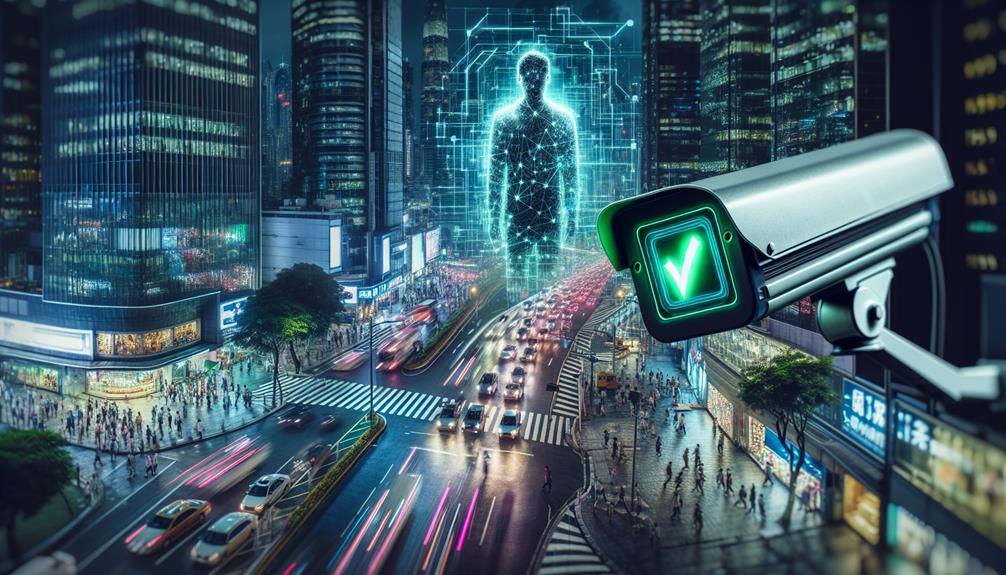
Facial recognition in surveillance systems enables personalized public safety by identifying individuals in real-time to enhance security measures. It allows for targeted alerts and notifications based on recognized faces, improving response times and efficiency in law enforcement.
Surveillance systems with facial recognition can track suspicious individuals and monitor their activities in public spaces for proactive crime prevention. This advanced technology aids in identifying known criminals or suspects quickly, leading to faster apprehension and reduced crime rates.
Additionally, facial recognition in surveillance systems provides a layer of personalized security by customizing responses based on individual identities for enhanced public safety. By leveraging facial recognition capabilities, law enforcement can create more effective strategies for preventing and responding to crimes, ensuring a safer environment for communities.
Data-Driven Law Enforcement
enforcement agencies, allowing them to allocate resources more effectively and focus on high-priority cases. This results in increased operational efficiency and improved overall outcomes in crime prevention and resolution.
Facial recognition technology has the potential to revolutionize the way law enforcement agencies approach investigations and surveillance. By harnessing the power of data-driven solutions, agencies can stay ahead of criminal activities, protect communities, and uphold the principles of justice.
Real-Time Surveillance Alerts

As someone heavily involved in the field, I understand the importance of real-time alerts in facial recognition systems.
Prominent among the key features of advanced facial recognition surveillance systems is the ability to generate real-time alerts when it identifies a person of interest, enabling proactive security measures to prevent potential threats.
This instant notification empowers security personnel to respond swiftly and effectively when a known individual enters a secure area.
Through sophisticated facial recognition algorithms, the system rapidly matches the individual's facial features against a pre-existing database of persons of interest. This proactive approach ensures timely intervention, notably reducing the risk of incidents and unauthorized access.
By leveraging real-time surveillance alerts, facial recognition systems offer a robust and reliable method to safeguard sensitive areas and protect the public from potential threats.
As technology continues to evolve, the importance of these systems in maintaining security and order becomes increasingly apparent.
Integration With Other Technologies
By capitalizing on advanced technologies like artificial intelligence and video analytics, the accuracy and effectiveness of facial recognition surveillance systems can be greatly improved.
Here are some key benefits of integrating these technologies:
- Thorough Identification: Combining facial recognition with gait recognition technology can provide a more thorough and reliable identification.
- Improved Surveillance Capabilities: Integration with AI and video analytics can greatly enhance facial recognition capabilities, providing more precise and detailed surveillance.
- Optimal Security Lighting: Integration with security lighting activation systems can enhance surveillance effectiveness in low-light conditions.
- Efficient access control: Intercom integration with facial recognition allows for real-time communication and access control in surveillance systems, and centralized storage ensures effective retrieval and management of surveillance data.
These integrations not only boost the performance of facial recognition systems but also offer powerful tools for improved surveillance and access control. By embracing these advancements, organizations can strengthen their security infrastructures and streamline their surveillance efforts.
Frequently Asked Questions
What Are the Advantages of Face Recognition?
In surveillance systems, facial recognition offers significant benefits. I witness increased accuracy, enhanced security, and faster identification, thereby improving efficiency and reducing human error.
What Are the Pros and Cons of Facial Recognition Cameras?
"I weigh the pros of facial recognition cameras, such as enhanced security and crime prevention, against the cons of privacy concerns, potential biases, and accuracy issues, considering ethical implications and public acceptance."
What Is the Role of Facial Recognition System in Surveillance Systems?
In facial recognition surveillance systems, I rely on the technology's ability to enhance security through real-time tracking and improve accuracy in identifying potential threats.
What Are the Advantages of Facial Recognition for Police?
As a law enforcement officer, I leverage facial recognition to efficiently prevent crimes, enhance security, and accurately identify suspects in real-time, ensuring improved investigations and public safety through enhanced surveillance and reduced errors.






3 comments
Comments are closed.