


By using facial recognition technology, I've found we can drastically enhance security monitoring. The system examines unique facial features and generates numerical templates, enabling real-time threat detection and swift identity verification. This tech integrates seamlessly with access control systems, providing a non-transferable, highly secure method for managing access. Despite the privacy concerns, robust regulatory frameworks and advanced algorithms can mitigate risks. Additionally, continuous improvements in precision and speed further solidify its effectiveness. To fully understand its impact and implementation nuances, there's much more to explore.
Key Takeaways
- Enables real-time threat detection and swift identity verification for access control.
- Enhances security monitoring by using high-resolution images for precise facial feature mapping.
- Reduces response time with trigger alerts and predefined security protocols.
- Improves public safety through non-intrusive monitoring and immediate threat alerts.
- Integrates advanced algorithms and machine learning for ongoing accuracy and reliability improvements.
Understanding Facial Recognition
Facial recognition uses sophisticated algorithms to analyze and identify unique facial features, creating a precise numerical template for secure comparison. By focusing on specific facial landmarks such as the distance between the eyes, the shape of the cheekbones, and the contour of the lips, these algorithms generate a highly accurate representation of an individual's face. This numerical template, often referred to as biometric data, is then stored in databases for swift and reliable identification.
The strength of facial recognition lies in its ability to provide secure, non-transferable access control. Unlike traditional methods such as passwords or keycards, which can be lost or stolen, facial recognition ensures that only the authorized individual gains access. This is particularly vital in sensitive environments where security measures are paramount.
Incorporating facial recognition algorithms into access control systems enhances security by ensuring accurate identification every time. The technology's efficiency and precision make it a valuable tool for modern security infrastructures. As a result, organizations can maintain tighter control over entry points and sensitive areas, notably reducing the risk of unauthorized access.
How Facial Recognition Works
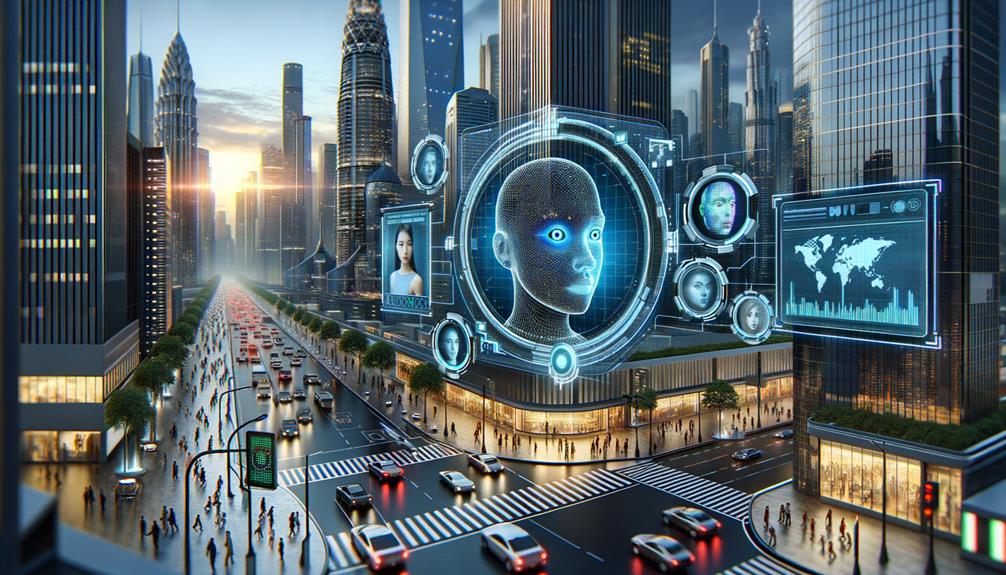
By leveraging advanced algorithms, this technology meticulously analyzes and maps individual facial features to create a unique biometric template. Facial recognition technology takes complex biometric measurements, focusing on unique facial features such as the distance between the eyes, nose shape, and jawline contours. These measurements are then converted into a numerical template, a digital representation that can be stored and compared against a database.
The process begins with capturing a high-resolution image, either in real-time or from existing footage. The system then identifies key facial landmarks and converts these into a mathematical model. This numerical template is stored in a secure database, ensuring swift and precise matching when necessary.
What makes facial recognition technology particularly robust is its integration into access control systems. By using unique biometric measurements, these systems provide superior security compared to traditional methods like keycards or passwords. The technology can quickly verify an individual's identity, enhancing both security monitoring and user convenience.
In security monitoring, the precision and speed of facial recognition offer unparalleled control. It guarantees that only authorized individuals gain access, thereby notably reducing the risk of unauthorized entry. This detailed, analytical approach guarantees that security measures are both reliable and efficient.
Applications in Security Monitoring

When considering applications in security monitoring, I focus on real-time threat detection and efficient access control. Facial recognition technology allows for immediate identification of potential threats, enhancing responsiveness to security incidents.
It also streamlines access control by verifying identities swiftly, reducing the risk of unauthorized entry.
Real-Time Threat Detection
Real-time threat detection leverages advanced facial recognition algorithms to swiftly identify and mitigate potential security breaches. By integrating facial recognition technology into security monitoring systems, I can guarantee a proactive approach to identifying unauthorized individuals and potential threats. This technology analyzes facial features and compares them to a database of known individuals, allowing for immediate detection of discrepancies.
Incorporating real-time threat detection significantly enhances the response time of security monitoring systems. When an unauthorized individual is identified, the system can trigger alerts and initiate predefined protocols to address the threat. This minimizes the time between detection and response, providing a robust barrier against intrusions.
Moreover, the precision of facial recognition technology ensures that the identification process is accurate, reducing the likelihood of false alarms. This not only improves the efficiency of security operations but also guarantees that resources are allocated effectively to genuine threats. The capability to detect and respond in real-time adds a critical layer of protection, reinforcing the overall security framework.
Harnessing facial recognition technology for real-time threat detection allows me to maintain a high level of vigilance, guaranteeing that potential threats are managed swiftly and effectively, thereby safeguarding the environment from unauthorized access and security breaches.
Efficient Access Control
Leveraging facial recognition technology for access control systems greatly enhances security monitoring by ensuring precise identification and verification of individuals. By analyzing unique facial features, these systems offer a robust layer of security that's difficult to breach.
Facial recognition technology isn't just about adding an extra security measure; it fundamentally transforms how access control systems operate, increasing their efficiency and reliability.
In physical spaces like office buildings and educational institutions, facial recognition systems streamline entry points, reducing the need for traditional ID checks or keycards. This not only minimizes human error but also speeds up the access process, making it more efficient.
In high-security environments such as airports, the technology is instrumental in passenger screening, ensuring that only authorized individuals gain access to restricted areas.
When applied to digital devices, facial recognition enhances security by providing a seamless yet secure way to open smartphones and computers. It's a significant upgrade from password-based systems, which are susceptible to hacking and forgetfulness.
Advantages of Facial Recognition
When I examine facial recognition technology, I see two significant advantages:
enhanced user convenience and improved public safety.
The system's ability to identify individuals quickly and accurately streamlines access control, reducing the need for physical keys or cards.
Additionally, its real-time monitoring capabilities bolster security measures, ensuring a safer environment by preventing unauthorized access.
Enhanced User Convenience
Implementing facial recognition technology greatly enhances user convenience by streamlining access control and eliminating the need for physical keys or passwords. This technological advancement facilitates a seamless and efficient user experience, making the authentication process both swift and secure.
By leveraging facial recognition technology, users can quickly verify their identities with a simple scan of their face. This not only eliminates the inconvenience of remembering complex passwords but also reduces the risk of unauthorized access. The enhanced security measures integrated into facial recognition systems ensure that only authorized individuals gain entry, thereby significantly enhancing overall access control.
The convenience offered by facial recognition extends to various applications, from accessing secure facilities to logging into digital systems. With just a facial scan, users can swiftly and securely navigate through different authentication checkpoints. This level of convenience is particularly beneficial in high-security environments where rapid and dependable access is crucial.
Moreover, the elimination of physical keys and passwords means fewer opportunities for loss or theft, further strengthening security. Essentially, facial recognition technology offers an unparalleled combination of enhanced security and user convenience, making it an essential tool for modern access control solutions.
Improved Public Safety
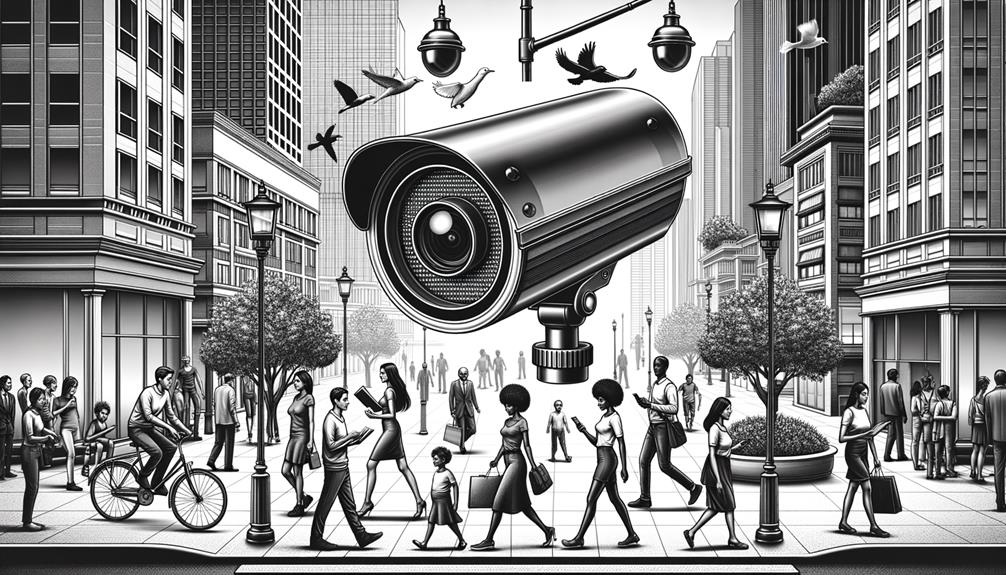
Facial recognition technology greatly enhances public safety by enabling real-time identification of individuals. By accurately recognizing faces, this technology notably improves security monitoring. One of its main advantages is the ability to quickly detect and alert authorities to potential threats, thereby preventing criminal activities before they escalate. This immediate response capability is critical in crowded public spaces where the risk of incidents is higher.
Moreover, facial recognition systems offer a non-intrusive way to monitor public areas. Unlike traditional surveillance, which often relies on manual observation, this technology automates the identification process, enhancing the efficiency and effectiveness of security operations. Law enforcement agencies benefit tremendously from these systems. They can track and apprehend wanted individuals more efficiently, reducing the time and resources spent on manual searches.
The advanced capabilities of facial recognition technology make it a valuable tool for enhancing overall public safety measures. It integrates seamlessly with existing security infrastructures, providing an additional layer of protection. By employing this technology, we can guarantee that public spaces remain secure without compromising individual freedoms. Ultimately, the use of facial recognition technology in security monitoring represents a noteworthy step forward in our efforts to maintain public safety.
Addressing Privacy Concerns

To effectively address privacy concerns, we must prioritize the development of strict regulatory frameworks and ethical guidelines for the use of facial recognition technology. The collection and storage of biometric data inherently carry risks to privacy and data security. As a result, implementing strong data security measures is non-negotiable. Encryption, access controls, and regular audits are essential to safeguard sensitive biometric information from unauthorized access and breaches.
Equally important is the establishment of a thorough regulatory framework. Such a framework should delineate the boundaries of responsible use, ensuring that the deployment of facial recognition technology respects individual privacy. This involves setting clear limits on data collection, storage duration, and sharing protocols.
Ethical implementation is another critical factor. We must develop guidelines that address the moral implications of biometric technology, emphasizing transparency, consent, and accountability. Ensuring that individuals are informed and have control over their biometric data fosters trust and aligns with ethical standards.
Balancing the benefits of enhanced security with the potential risks to individual privacy is a complex, yet achievable goal. By focusing on strict regulations, strong data security, and ethical practices, we can harness the power of facial recognition technology while safeguarding individual privacy.
Overcoming Accuracy Issues
Although facial recognition technology boasts impressive accuracy rates, ongoing refinement of algorithms and machine learning methods remains necessary to minimize false positives and negatives. Advanced facial recognition systems have achieved up to 99% accuracy, yet even this high rate can be compromised by environmental factors, lighting conditions, and facial obstructions. Enhancing these systems involves continuous advancements in biometric technology, focusing on refining the precision and reliability critical for effective security monitoring.
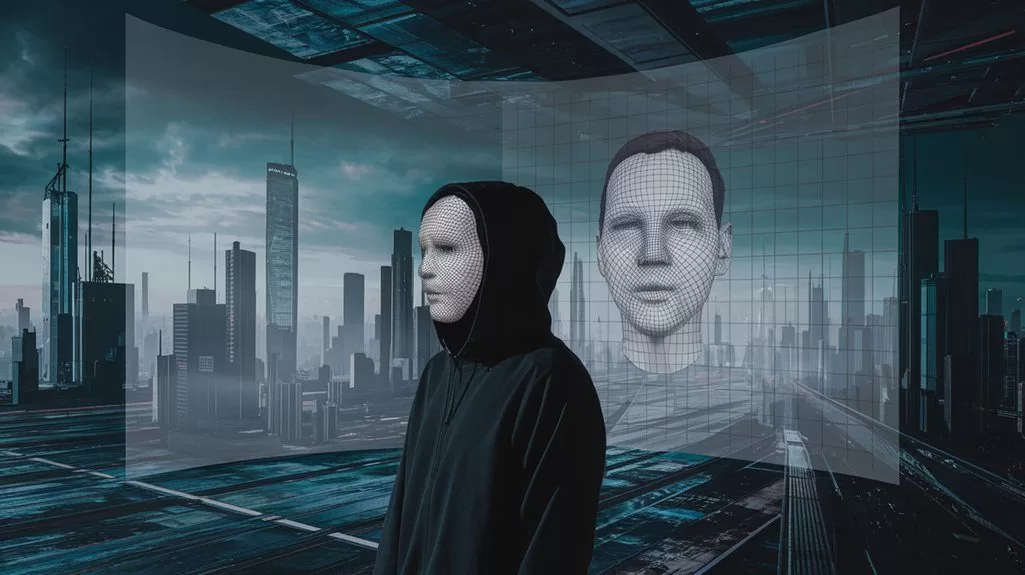
One notable development in overcoming accuracy issues is the implementation of liveness detection features. These features differentiate between live faces and spoof attempts, such as photographs or masks, ensuring that only genuine individuals are identified. This is particularly important in high-stakes environments like border control, where the accuracy of facial recognition systems directly impacts security and operational efficiency.
Moreover, the integration of advanced facial algorithms and machine learning techniques has significantly reduced instances of false positives and negatives. By leveraging vast datasets and sophisticated neural networks, these systems can better handle variations in facial expressions, aging, and other dynamic changes. Continuous research and development efforts are crucial to maintain and further enhance these accuracy rates, ensuring that facial recognition technology remains a robust tool for security monitoring.
Implementing Facial Recognition

Building on the advancements that address accuracy issues, implementing facial recognition technology involves capturing and processing facial images to create a digital template for real-time identity verification.
First, I capture high-quality images, highlighting unique facial features with appropriate lighting and angles. These images are then converted into a mathematical representation through sophisticated data processing algorithms.
In security monitoring systems, this digital template forms the cornerstone for identity verification and access control. By comparing live facial data against stored templates, I can verify identities in real-time, enhancing the efficiency and reliability of security measures. The system's ability to analyze and distinguish unique facial features ensures that only authorized individuals gain access to secure zones.
To maintain control over the implementation, I prioritize continuous calibration and updates to the facial recognition technology. This helps the system adapt to new data, improving its accuracy and speed.
In addition, integrating these advanced systems into existing security monitoring frameworks requires meticulous planning and execution. By doing so, I enhance the overall security posture, providing robust surveillance and access control solutions. This detailed approach allows for seamless integration, ensuring the technology meets the stringent demands of modern security environments.
Future Developments
As facial recognition technology continues to evolve, I anticipate advancements that will greatly enhance its precision, speed, and applicability across various security domains. The future developments in this field are poised to transform security monitoring by leveraging more sophisticated algorithms and higher-quality data inputs. Facial recognition technology offers unprecedented capabilities in real-time identification and threat detection, which can be critical in high-stakes environments such as airports and border control.
The use of facial recognition in security monitoring is expected to become more prevalent as integration with other technologies, like AI and IoT, gains momentum. These integrations will enable seamless, automated systems capable of handling large-scale data with minimal human intervention. However, with these advancements come significant privacy concerns and ethical considerations that must be addressed to guarantee public trust.
Innovations are already focusing on enhancing data protection mechanisms to mitigate privacy concerns. Future developments will likely include anonymization techniques and more stringent encryption protocols. Moreover, ethical considerations will drive the development of transparent policies and practices to guide the responsible use of facial recognition technology. By staying ahead of these challenges, we can harness the full potential of facial recognition for robust and secure monitoring systems.
Ethical Considerations

While future advancements in facial recognition technology promise improved security capabilities, we must thoroughly address ethical considerations to guarantee responsible and fair use. Data privacy is paramount. The collection of biometric information requires strict guidelines and regulations to ensure that individuals' data is protected from misuse. Transparent data handling processes, obtaining explicit consent for data collection, and implementing clear policies on data retention are non-negotiable in this context.
Bias and discrimination present significant ethical challenges. Algorithms must be carefully designed and continuously audited to avoid reinforcing societal biases. Without careful oversight, facial recognition technology can worsen discrimination, disproportionately affecting marginalized communities. Ensuring fairness in its deployment is vital to maintaining public trust and achieving equitable security solutions.
Moreover, proper regulations are essential to govern the use of this technology. Clear guidelines should dictate who can access biometric information and under what circumstances. This level of control is necessary to prevent potential abuses and maintain ethical standards.
Balancing the benefits of improved security with these ethical considerations is essential for the successful and responsible implementation of facial recognition technology. Only through thorough analysis and regulation can we harness its potential without compromising our ethical obligations.
Frequently Asked Questions
How Does Facial Recognition Enhance Security?
Facial recognition enhances security by offering biometric authentication with high accuracy rates. Real-time alerts and surveillance applications improve monitoring, though privacy concerns and implementation challenges remain. It balances security and control effectively, despite these issues.
How Can I Improve My Face Recognition Technology?
I can enhance my face recognition technology by focusing on algorithm enhancement, ensuring data accuracy, and enhancing real-time detection. Addressing privacy concerns, boosting integration capabilities, and continuous performance enhancements are also important for achieving best results.
Can You Opt Out of TSA Photos?
Yes, you can opt out of TSA photos. Due to privacy concerns and legal implications, you have passenger rights to decline the use of facial recognition technology. Instead, you can choose an alternative verification process to protect your biometric data.
What Is the Place of Facial Recognition Technologies in Security Systems?
Facial recognition technologies hold a significant place in security systems. However, privacy concerns, accuracy rates, ethical implications, integration challenges, legal regulations, and real-time monitoring must be addressed to guarantee effective and responsible implementation.



12 comments
Comments are closed.