


As I explore the integration of facial recognition technology into surveillance systems, I understand that balancing privacy and security concerns is crucial. Algorithms analyze facial features for identification, improving access control and monitoring capacities. However, I must address covert identification, compliance, and security vulnerabilities to guarantee ethical use. With responsible integration, facial recognition can deliver accurate insights for law enforcement, education, and retail. By optimizing the technology, I can unleash its full potential, guaranteeing seamless surveillance and efficient operations. Now, I can take the next step to ensure that my surveillance systems are at their peak.
Key Takeaways
- Integration with Access Control: Combine facial recognition with access control systems for real-time identification and robust security.
- Surveillance System Design: Tailor video surveillance design to each environment to ensure maximum coverage and efficient facial recognition.
- Algorithm Enhancements: Regularly update algorithms to improve performance in varying conditions, increasing accuracy and speed.
- Coordination with Other Systems: Integrate facial recognition with systems like inventory management and POS systems for a comprehensive security view.
- Cybersecurity and Privacy: Ensure the security and privacy of facial recognition data by implementing robust cybersecurity measures and complying with regulations.
Understanding Facial Recognition Technology
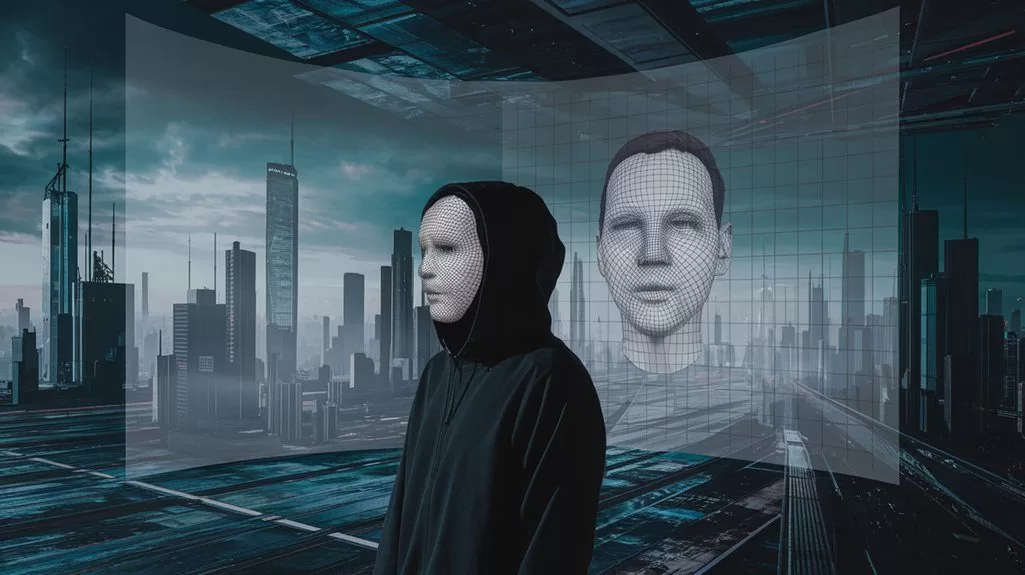
In today’s digital age, understanding the fundamental principles and implications of facial recognition technology is essential. This technology utilizes biometric identifiers like face prints to identify individuals, often on a large scale without explicit consent.
Facial recognition algorithms are designed to analyze facial features such as the distance between the eyes, the shape of the cheekbones, and the contours of the lips and chin. These algorithms are typically integrated into surveillance systems, utilizing security cameras and machine learning techniques to identify people in real time.
The widespread use of facial recognition systems raises significant privacy concerns, as biometric data can be collected and used without explicit consent. Besides, access control systems that rely on facial recognition can be vulnerable to potential security threats.
It’s essential to weigh the benefits of facial recognition against the risks to individual privacy and security. By acknowledging these concerns, we can work towards creating more responsible and ethical applications of facial recognition technology that balance its powerful capabilities with the need to protect individual rights and freedoms.
Addressing Privacy and Security Concerns
As we explore the intricacies of facial recognition in surveillance systems, it becomes increasingly apparent that addressing privacy and security concerns is a significant component of guaranteeing the ethical and responsible use of this technology.
One key issue is the potential for covert identification on a mass scale without consent, which raises notable privacy concerns. To mitigate these risks, ensuring compliance with data protection regulations like the GDPR is essential.
Additionally, security vulnerabilities, such as spoofing attacks, pose substantial risks to facial recognition systems. It’s hence crucial to implement robust security measures to address these threats.
Furthermore, addressing bias, accuracy, and security challenges is necessary to maximize the effectiveness of facial recognition in surveillance systems.
Ultimately, the ethical use of facial recognition technology is pivotal to balance its benefits with the need to protect individual privacy and security.
As we move forward in this area, we must prioritize developing and employing facial recognition technology responsibly to guarantee its positive impact on society while minimizing its negative effects.
Applications for Surveillance and Monitoring

Embracing the versatility of facial recognition, surveillance systems can now pinpoint individuals instantly, even in crowded environments, while enhancing access control and visitor management in secure settings. This technology empowers law enforcement agencies to swiftly identify suspects or locate missing persons, facilitating proactive responses to potential threats. Additionally, these surveillance applications provide actionable insights for optimizing security measures and response times.
In diverse sectors, such as schools and higher education institutions, facial recognition extends visibility and coverage, integrating seamlessly with access control systems to guarantee authorized access. It also bolsters operational efficiency, particularly in healthcare facilities where monitoring patient safety and compliance is paramount.
Retail environments benefit from facial recognition’s ability to deter shoplifting and analyze customer behavior, enhancing overall security and customer experiences.
Optimization and Integration Strategies
To maximize facial recognition in surveillance systems, it’s vital to optimize these technologies through effective integration and algorithm enhancements.
We can optimize facial recognition technology by integrating it seamlessly with access control systems and optimizing its algorithms to enhance real-time identification and improve overall surveillance efficiency. This integration offers a thorough security solution, as biometric information is directly linked with access permissions. By doing so, it guarantees accurate and secure entry for authorized personnel.
Optimizing facial recognition algorithms is also essential. This enhances the technology’s capability to identify individuals in varying environmental conditions accurately and improves its overall performance. Algorithm enhancements can lead to increased accuracy, reduced false positives, and enhanced speed of identification, making the surveillance system more reliable and effective in real-world scenarios.
Ethical Considerations and Future Outlook
Exaggerated risks in privacy invasion and algorithm bias call attention to the urgent need for ethical considerations in the use and development of facial recognition.
As these systems expand into various sectors of life, it’s important to recognize and address the multifaceted ethical implications that come along.
For instance, privacy invasion continues to be a significant concern, especially when facial data is collected and analyzed without consent. Additionally, biases in algorithms can perpetuate systemic inequalities, amplifying disparities.
Thus, enhancing the accuracy and robustness of facial recognition systems is essential to mitigate these risks.
Looking ahead, the future of facial recognition technology depends on the responsible and ethical use of these systems.
Addressing security vulnerabilities and ensuring the proper integration of guidelines and regulations will be crucial for public trust and confidence.
Staying updated on advancements and guidelines will enable developers and users to harness the potential of facial recognition effectively while minimizing its ethical drawbacks.
Through sustained efforts, we can guarantee that the applications of facial recognition align with our values of fairness, transparency, and privacy.
Frequently Asked Questions
How to Improve Facial Recognition Systems?
“To improve facial recognition systems, I focus on lighting optimization, enhancing data accuracy, refining algorithms, addressing privacy concerns, and updating software and hardware. Real-time tracking with biometric authentication and accurate facial feature extraction are key.”
How Is Facial Recognition Used in Surveillance?
In surveillance, I use facial recognition technology to identify individuals through biometric identification from captured facial features in real-time, boasting high accuracy rates, yet balancing security applications with privacy concerns and data protection.
What Is the Biggest Problem in Facial Recognition?
The biggest problem in facial recognition is privacy concerns.
What Is the Best Practice for Face Recognition?
To maximize facial recognition accuracy, I promote ethical data management practices, utilize machine learning algorithms, and optimize biometric technology for real-time identification while addressing data privacy and security implications.




24 comments
Comments are closed.