
The short answer
The free steps that do the most against identity theft are a credit freeze at Equifax, Experian and TransUnion, a different password for every account, and a passkey or authenticator app instead of text codes. While a freeze is in place, "nobody can open a new credit account in your name," the FTC says (FTC). AI makes the scams that steal your details harder to spot. The FBI says criminals use it to write messages with fewer telltale errors, fake IDs, and clone a loved one's voice (FBI). So agree on a secret word with your family, and when a call or message asks for money or a code, hang up and call back on a number you already have.
This guide started with advice from Nicole Perlroth, who spent a decade as the lead cybersecurity reporter for The New York Times (French-American Foundation). A clip of her quick list was shared on X (@HKFinalThird on X). We kept her steps, checked the ones the FBI, FTC and FCC cover against their advice, and added the ones aimed at AI-driven scams.
How do I protect myself from identity theft?
Start with the three steps that guard your credit and your records.
1. Freeze your credit
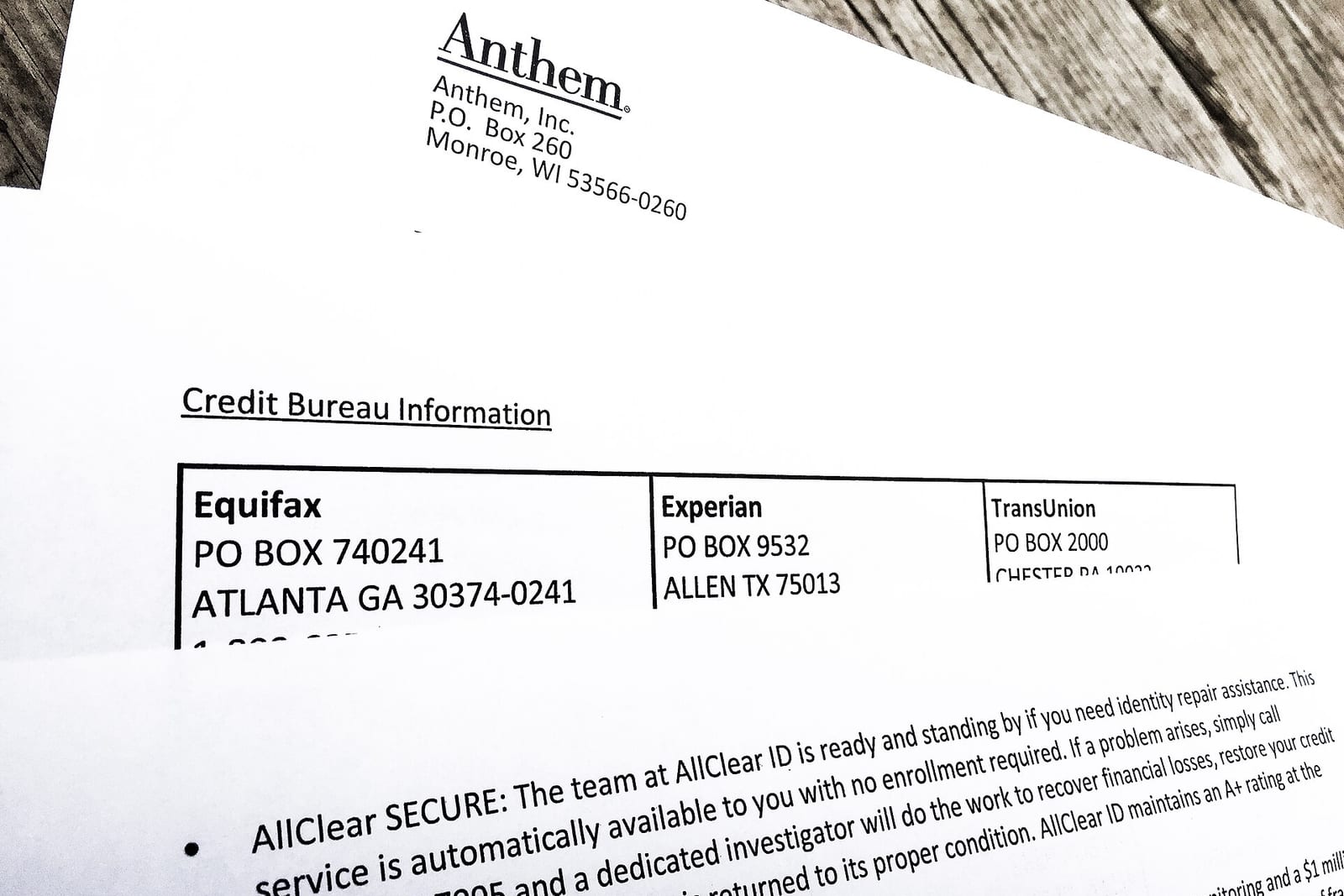
A credit freeze blocks new accounts opened in your name. "While a credit freeze is in place, nobody can open a new credit account in your name, including you," the FTC says (FTC). It costs nothing to place or lift, it does not affect your credit score, and it lasts until you lift it. You place it with each of the three bureaus: Equifax, Experian and TransUnion. When you apply for a loan or card, contact the bureaus to lift it, then put it back.
2. Turn on transaction alerts
Perlroth suggests printing your bank statements "occasionally." A paper record gives you something to check against if your online account is tampered with. Alerts can flag a strange charge the day it happens. Set your bank and card apps to notify you of every charge, or every charge over a small amount you choose.
3. Keep copies of your key documents
Another of Perlroth's steps: keep copies of your passport, driver's license and other key documents somewhere you can reach quickly. If your identity is stolen, you will need them to prove who you are. A locked drawer or an encrypted folder both work. Do not keep them in your email.
How do I keep scammers out of my accounts?
These five steps make a stolen or guessed password far less useful to a scammer.
4. Use a different password for every account
When one site is breached, criminals try the same email and password on other sites. Perlroth puts it this way: unique passwords mean that "if you get breached in one area, your whole life's not over." To see whether your email has shown up in a known breach, use Have I Been Pwned.
5. Let a password manager remember them
Nobody remembers dozens of long, unique passwords. A password manager creates them, stores them and fills them in. Perlroth recommends one for "all sorts of accounts" and keeps her email, bank and brokerage passwords out of hers. More on that choice below.
6. Turn on two-step sign-in, starting with email
Whoever controls your email can reset the password on almost everything else, so protect it first. Then do your bank, your password manager and your phone carrier account.
7. Pick a passkey or an authenticator app over text codes
"SMS MFA has been compromised over and over again. Use an authenticator," Perlroth says. A passkey is stronger still: it signs you in with your face, fingerprint or phone PIN, and a fake login page cannot steal it (how passkeys work). That guide shows how to set one up for Google, Apple and Microsoft, and how to switch off text codes once you have.
8. Lock your phone number
In a SIM swap, a criminal gets your carrier to move your number to their phone, and your text codes go with it. FCC rules adopted on November 15, 2023 (FCC) require carriers "to offer all customers, at no cost, the option to lock or freeze their account to stop SIM changes" (FCC order). Our passkey guide has the lock steps for T-Mobile, Verizon and AT&T.
How is AI changing identity theft scams?
An AI scam is a fraud where the criminal uses AI tools to make the lie more believable. The FBI's December 2024 warning lists four kinds: AI-written text, AI images, cloned voices and fake video (FBI). The FBI says these tools "can correct for human errors that might otherwise serve as warning signs of fraud."
Examples from that warning:
- Fake social media profiles, built in bulk, that trick people into sending money.
- Translations that cut down the grammar and spelling mistakes in foreign scam messages.
- Fake driver's licenses and police or bank credentials.
- Live video chats with a fake company executive or police officer.
- Cloned voices used to get into bank accounts.
The bad grammar and odd phrasing people learned to spot are getting harder to find. What still gives a scam away is the request: money, a code or a password, and a reason to hurry.
How does an AI voice cloning scam work?
A voice cloning scam is a phone call in the voice of someone you know, asking for help. The FTC says a scammer needs "a short audio clip of your family member's voice," which "he could get from content posted online," plus a voice-cloning program (FTC). The FBI describes the same call: a relative "in a crisis situation, asking for immediate financial assistance or demanding a ransom" (FBI).
The voice can sound right. So test the caller, not the voice. Ask for your family's secret word, or hang up and call the person back on the number you have saved.
How do I protect my family from AI scam calls?
9. Agree on a secret word
The FBI's first tip against AI fraud is to "create a secret word or phrase with your family to verify their identity" (FBI). Choose something that is not on social media: not a pet's name, not a street. Say it out loud once, in person, and do not text it.
10. Verify through a second channel
The FBI says to verify a caller "by hanging up the phone, researching the contact of the bank or organization purporting to call you, and call the phone number directly." Use the same rule for texts and emails. Open the bank's app yourself instead of tapping the link.
The FBI also suggests making social media accounts private and limiting followers to people you know, so there is less of your voice and face online to copy.
Should you trust a password manager?
For most people, yes. Perlroth says "some people trust password managers, as they should, for all sorts of accounts," and also says she covered enough breaches of them to keep her most important passwords out of hers. She still uses a unique password for each of those accounts.
A homemade system works when it produces passwords no one can guess from your other ones. A pattern, like the site name plus the same base word, does not pass that test. If you use a manager, protect it with a long passphrase and a passkey or security key.
Breaches of password manager companies do happen. On November 25, 2026, 1Password said an attacker took names, email addresses and non-secret account data for a subset of its users, and that vault contents were not accessed (our report). 1Password warned customers to watch for phishing emails, texts and calls, which AI makes easier to fake.
What should I do if my identity was stolen or I was scammed?
Stop sending money, and call your bank or card company on the number on the back of your card. Change the password on any account you shared, starting with email. The FBI asks victims to report to its Internet Crime Complaint Center at ic3.gov, with the scammer's name, phone number, email address and the payment details (FBI). If someone opened credit in your name, freeze your credit at all three bureaus right away.